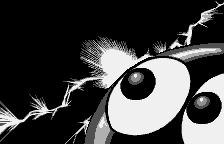
Puyo Puyo Tsu, widely recognized as Puyo Puyo 2, represents a monumental milestone in the evolution of puzzle gaming. Released on July 6, 1994, by developer Compile, this title serves as the acclaimed sequel to the original arcade sensation and is frequently cited as the most predominant entry in the franchise. The name itself is a clever linguistic pun: the kanji "通" signifies "Expert," while the pronunciation mirrors the word "two," a wordplay that established a naming convention for subsequent installments. As a technical standard-bearer for the series, Puyo Puyo Tsu transformed the genre by introducing deeper strategic elements that elevated gameplay far beyond simple matching mechanics.
The Legacy of Puyo Puyo Tsu
Genre and Gameplay Mechanics
Puyo Puyo Tsu is a competitive puzzle game where players control falling clusters of Puyos, slime-like creatures, with the objective of matching four connected Puyos of the same color to clear them from the board. Clearing these Puyos triggers a "Rensa" or chain reaction, which sends "Ojyama" (garbage blocks) to your opponent's side. The match concludes when either player's column fills to the top. This installment standardized the four-color palette and introduced critical mechanics such as offsetting and the All Clear. The game supports 1-2 players, facilitating intense local multiplayer battles where strategy revolves around building chains to overwhelm the opposition.
Story and Setting
The narrative follows protagonist Arle Nadja and her loyal companion, Carbuncle. The antagonist, Satan (known as the Dark Prince in localized versions), seeks to steal Arle's heart and kidnap Carbuncle. To stop him, Arle must ascend Satan's Tower, battling through waves of minions and henchmen. A unique twist in the setting is revealed upon reaching the summit: Satan's chamber is concealed inside a large model of Kaa-Kun, the series' iconic orange rabbit mascot.
Platform Availability and Content Expansions
Puyo Puyo Tsu boasts an extensive library of releases, cementing its status as a multiplatform powerhouse. Originally launching on arcade cabinets, the game was ported to twelve different consoles, including the Nintendo 3DS, PlayStation, Wii, and Game Boy. While the Mega Drive version was never released outside of Japan, it remains a sought-after title for collectors. Later iterations, such as the Puyo Puyo Tsuu Perfect Set released by Sega in 2004, brought updated graphics and features like vibration support and stereo surround sound to the PlayStation 2, ensuring the game's longevity across generations.
Notable Features and Appeal
- Expanded Roster: The game features over thirty different opponents, a significant increase from the twelve found in the prequel, each employing unique strategies to challenge players.
- Strategic Depth: Mechanics like offsetting and the All Clear allow for complex chain building, appealing to players who enjoy high-level tactical puzzle play.
- Local Multiplayer: With support for up to two players, the title is designed for face-to-face competitive battles where building Rensa chains to send Ojyama garbage is key to victory.
- Accessibility: The four-color palette and straightforward rules make the core loop easy to grasp, while the depth of the chain system provides a steep learning curve for mastery.
Puyo Puyo Tsu appeals to fans of classic arcade puzzle action, strategy enthusiasts, and anyone looking to experience the definitive version of the franchise's foundational mechanics. Its balance of simplicity and complexity ensures it remains a benchmark for the genre.