R-Type II (1992)
Sign up to build your game library and suggest edits
Join Now
R-Type II (アール・タイプII, Āru Taipu Tsu) stands as a monumental entry in the history of arcade and console gaming, serving as the sequel to Irem's 1989 classic. Originally released as an arcade title, the game saw significant expansion in **1992**, with a notable release on December 11th that brought the intense action to the Game Boy handheld system, as well as various computer platforms. As the second game in the R-Type series, it expanded upon the foundation laid by its predecessor, offering a deeper challenge and a more complex visual style that defined the "bullet hell" genre long before the term existed.
## Gameplay Mechanics and Style
R-Type II is a horizontal scrolling shooter that demands precise movement and strategic resource management. Players pilot the R-Craft, a small but potent fighter ship equipped with a powerful rear-mounted cannon. The core mechanic that defines the series is the "Force" weapon. This deployable projectile can be launched in front of or behind the ship, allowing players to push back enemy fire and destroy obstacles. In R-Type II, the Force can be fired multiple times, creating a wall of energy that protects the ship from incoming bullets—a necessity given the density of enemy fire.
The game introduces the "Cannon Mode," where the player can lock the Force in front of the ship to transform the R-Craft into a stationary turret. This mode is crucial for taking down large, multi-part bosses and clearing screen-filling hazards. The gameplay is characterized by its relentless difficulty; enemies swarm the screen from all directions, requiring players to master the art of dodging and countering simultaneously. The visual presentation is distinctively dark and organic, featuring enemies that blend mechanical and biological traits, creating a unique aesthetic within the shooter genre.
## Story and Setting Overview
The narrative of R-Type II continues the saga of the Idran warriors as they battle the Bydo, an ancient, malevolent entity composed of living metal. In this installment, the Bydo has returned to Earth, bringing with them a terrifying new arsenal of organic ships and biological weapons. The setting is typically deep space or hostile alien environments, where the atmosphere is thick with tension and the looming threat of the Bydo entity. The story unfolds through the player's progression, revealing the desperation of the Idran resistance and the overwhelming power of the alien force they face.
## Platform Availability
While the game originated in arcades in 1989, the specific release of R-Type II in 1992 marked a pivotal moment for portable and home computing enthusiasts. The title was ported to a wide variety of systems, ensuring its legacy across different eras of gaming:
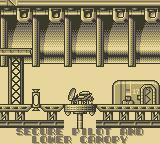
* **Nintendo Game Boy:** The December 11, 1992 release brought the full arcade experience to the handheld, a technical feat given the hardware limitations of the time.
* **Home Computers:** The game was adapted for the **Atari ST** and the **Commodore / Amiga** lineups, allowing PC enthusiasts to experience the dense graphics and sound.
* **Mobile Platforms:** In the modern era, the franchise has been re-released on **iOS** and **Android**, allowing a new generation of players to access the code and mechanics of the original 1992-era titles via emulation or official ports.
## Notable Features and Audience
R-Type II is renowned for its "bullet hell" gameplay, where the screen is often completely obscured by enemy projectiles. It appeals primarily to hardcore shooter fans who enjoy high-difficulty challenges and precise reflexes. The game's notable features include its innovative use of the Force weapon for both offense and defense, its memorable boss designs that require pattern memorization, and its atmospheric soundtrack.
For players who appreciate the roots of the shoot-'em-up genre, R-Type II offers a challenging and visually distinct experience. The 1992 ports, particularly on the Game Boy, allowed this intense action to be played on the go, cementing the game's status as a classic that bridges the gap between arcade cabinets and portable consoles.
User Reviews
No reviews yet. Be the first to share your thoughts!
Write a Review
Game Info
| Publisher | Activision |
| Released | Dec 11, 1992 |
| Platform | iOS, Android, Game Boy, Commodore / Amiga, Atari ST |