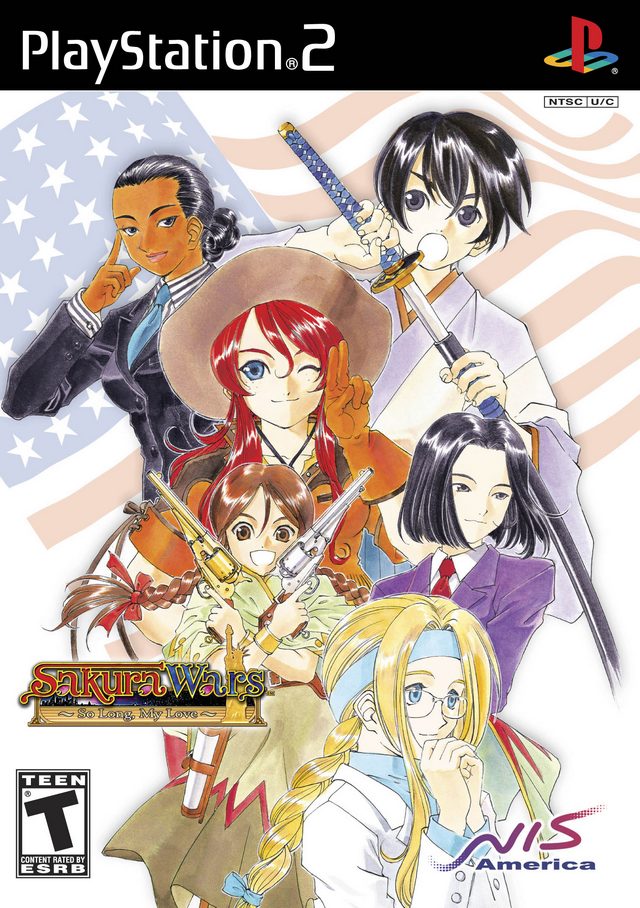
Sakura Wars 5: So Long, My Love stands as the final chapter in a long-running franchise that finally made its way to Western audiences in 2010. Originally released in Japan years earlier, this title arrived on PlayStation 2 and Wii on March 30, 2010, marking a rare localized entry for fans of Japanese strategy gaming. Blending tactical combat with deep character-driven narratives, the game offers a distinct experience that diverges from traditional RPG formulas while delivering a cohesive strategic challenge.
Genre and Core Gameplay Mechanics
At its core, the game functions as a strategy RPG hybrid that heavily incorporates sim-based storytelling. The narrative is not predetermined; instead, player decisions during character interactions directly influence the storyline and can ultimately alter the final outcome. This branching structure encourages multiple playthroughs to uncover different routes and endings. Combat is split into two distinct phases: ground combat and air combat. Players pilot two-legged mechanized suits that feature a dynamic transformation system, allowing them to shift from battle mech mode to jet fighter mode mid-engagement. Each form drastically changes both movement capabilities and weaponry. For instance, a unit equipped with a sword for close-quarters ground fighting will swap to long-range missiles once transformed, requiring players to adapt their tactical approach on the fly.
Sakura Wars 5: So Long, My Love Story and World Setting
The game is set in a richly detailed, steam-powered version of Taisho-era Tokyo, an aesthetic choice rooted in extensive historical research. The world draws direct inspiration from real-life all-female musical theater troupes, weaving a cover story of performers who secretly operate as elite defenders against supernatural threats. This duality forms the backbone of the setting, where spiritual energy fuels mechanical combat suits to battle demonic forces. The narrative explores themes of performance, duty, and supernatural legacy, creating a backdrop that feels both nostalgic and fantastical. Character development remains central to the experience, with dialogue-heavy segments allowing players to build relationships that impact the broader plot.
Platform Availability and Notable Features
Available exclusively for PlayStation 2 and Wii upon its 2010 release, the game brings a unique blend of tactical planning and narrative simulation to home consoles. Notable features include the seamless transformation mechanic that dictates combat flow, alongside a presentation style that relies on static backdrops and animated character portraits to convey emotional shifts. While the visual novel segments utilize basic polygonal environments for free-roaming exploration, the game compensates with highly animated chapter menus and rare fully animated cutscenes that punctuate key story moments. The developers prioritized atmospheric research, incorporating accurate steam locomotive mechanics and period-appropriate architectural details to ground the fantastical premise.
Who It Appeals To
- Fans of tactical role-playing games who enjoy deep, choice-driven narratives that reward experimentation.
- Players interested in mecha combat systems that emphasize tactical adaptability through vehicle transformation.
- Enthusiasts of Japanese visual novels and dating sim hybrids that prioritize character interaction and branching storylines.
- Collectors and franchise followers seeking the definitive localized experience of the series before its modern reboots.