Samurai Champloo: Sidetracked Overview
Samurai Champloo: Sidetracked stands as a distinctive entry in the action genre, bringing the acclaimed anime’s unconventional fusion of Edo-period Japan and modern hip-hop culture to the PlayStation 2. Released on April 11, 2006, this title invites players to step into the shoes of iconic wanderers and explore a side story that runs parallel to the beloved television series. With a Metacritic score of 66.00, the game has carved out a niche for itself through its bold stylistic choices and innovative combat design. Rather than relying on traditional sword-fighting conventions, the experience demands a fresh approach to movement, rhythm, and tactical engagement.
Combat Mechanics and Gameplay
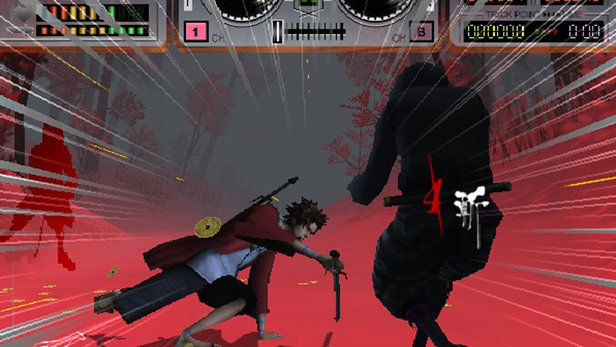
At its core, the game redefines the hack-and-slash formula by tightly integrating music into its combat system. Players can seamlessly switch between various hip-hop grooves, each dictating a specific rhythm and style of attack. These musical tracks are not merely background audio; they actively influence how characters move and strike. By syncing their strikes to the beat, gamers can unlock a wide array of combos. The system also encourages tactical decision-making, as players must strategically time their attacks to trigger powerful linked sequences. Successfully chaining these moves often requires a keen ear for the soundtrack and a strong sense of timing, transforming every skirmish into a dynamic performance.
Character Roster and Playstyles
- Mugen represents the chaotic energy of the series, utilizing a break-dancing inspired fighting style that emphasizes aggressive, unpredictable strikes.
- Jin embodies the disciplined code of Bushido, offering a more calculated and precise approach to swordplay.
- Exclusive Character a mysterious third playable option developed specifically for the video game, providing a unique perspective and combat rhythm that diverges from the anime canon.
Story and Setting
The narrative unfolds in the rugged northern territories of Ezo, a region corresponding to modern-day Hokkaido. Players are tasked with hunting down a legendary samurai who is famously known for always carrying the scent of sunflowers. This quest propels the protagonists through treacherous landscapes and into conflicts with a diverse roster of adversaries. The game introduces an eclectic mix of foes, ranging from highly skilled foreign mercenaries and master swordsmen to deadly assassins, mythical beasts, and even gangster monkeys. Each encounter serves to expand the world while reinforcing the game's unique tone, which balances intense action with the series' signature blend of humor and historical fiction.
Notable Features and Design
One of the most defining aspects of the experience is its collectible soundtrack. As players progress through the campaign, they unlock exclusive music tracks that expand the library of available combat rhythms. This collection system directly ties into progression, as new grooves unlock additional linked attacks that can be deployed tactically during difficult encounters. The visual and audio design work in tandem to maintain the series' anachronistic charm, layering traditional Japanese architecture and weaponry over contemporary beats and stylized animations. This deliberate clash of eras creates a highly immersive atmosphere that feels both nostalgic and refreshingly modern.
Platform Availability and Target Audience
Samurai Champloo: Sidetracked was developed exclusively for the PlayStation 2, taking advantage of the console's capabilities to deliver fluid animations and a robust soundtrack. The game primarily appeals to fans of the original anime series, as well as players who enjoy rhythm-based action titles and stylized combat mechanics. Its unconventional approach to the hack-and-slash genre makes it an interesting choice for gamers seeking something beyond standard enemy-cleaving fare. Those who appreciate games that reward musical timing, strategic combo building, and strong narrative aesthetics will find this title to be a memorable and mechanically inventive experience.