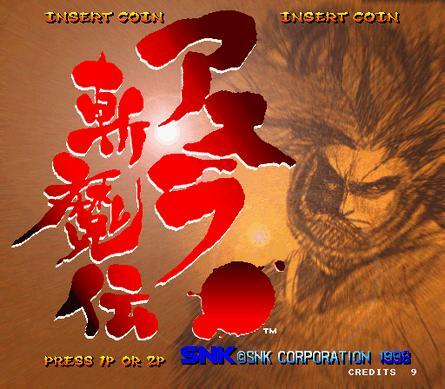
Samurai Shodown 64: Warriors Rage is a title often associated with the franchise's arcade history, yet for PlayStation owners, this entry is known as Samurai Shodown: Warriors Rage. Developed by SNK and released in 1999, this fighting game brings the iconic sword-swinging action to Sony's console. While the arcade predecessor utilized the Hyper Neo Geo 64 system, the PlayStation version offers a distinct experience with a revised roster and gameplay adjustments. In Japan, the game was released as Samurai Spirits 2: Asura Zanmaden with the full subtitle Kenkaku Ibunroku: Yomigaerishi Soukou no Yaiba, highlighting its status as a new chapter in the series.
Genre and Gameplay Mechanics
As a fighting game, Samurai Shodown: Warriors Rage combines 3D graphics with traditional combat mechanics. The movement is strictly regulated to the x and y axes, restricting players to a two-dimensional plane with the exception of a basic dodge that briefly shifts the character into the background. The control scheme emphasizes precision, utilizing buttons for weak slashes, strong slashes, kick attacks, and dodges.
Battle System
The match structure introduces a modified life bar system divided into three sections. When a player's life bar depletes, the number of sections restored at the start of the next round decreases. The match concludes when a player loses three rounds, rewarding endurance and strategic resource management. The game retains signature mechanics from the series, including the Rage Gauge and Rage Explosion, allowing fighters to unleash devastating counterattacks when pushed to the brink.
Story and Setting
Set in 1810, approximately twenty years after the events of the original series, the narrative explores the twilight of the sword era. The world is shifting, and the age of the samurai is coming to a close. The plot centers on a criminal island known as Ritenkyo and the ambitions of a faction referred to as the Razor Trio (or Atom Rebels). Players engage with the story through extensive dialogue between fights that varies based on the chosen character, focusing on the aspirations of this faction against a backdrop of societal change.
Samurai Shodown: Warriors Rage on PlayStation
This title was developed exclusively for the original PlayStation console. It was released in Japan on December 22, 1999, and reached other regions on April 18, 2000. The game also saw a digital re-release on the PlayStation Network on April 25, 2007. Due to limited distribution outside of Asia, it remains a rare entry for collectors. The game supports up to two players simultaneously for local multiplayer battles.
Notable Features and Character Roster
The roster marks a significant departure from previous installments. Out of 23 characters, the cast is almost entirely new. Only two returning figures appear as playable fighters: the aging Haohmaru and a younger relative of Hattori Hanzo. Both have lost many signature attacks from earlier games. Other familiar faces like Nakoruru and Rimururu appear only as spirits. The new cast includes diverse fighters such as:
- Seishiro Kuki: The protagonist wielding a blue katana, ordered by the government to stop his brother.
- Jin-Emon Hanafusa: Seishiro's partner sent by the government, wielding a jumonji-yari.
- Jushiro Sakaki: Leader of the anti-government Atom Rebels.
- Rinka Yoshino: A member seeking to restore her family name.
- Saya: A member avenging her family using a pair of sickles.
- Haito Kanakura: A freelance bodyguard from Ritenkyo fighting for freedom.
Who It Appeals To
Enthusiasts of the Samurai Shodown series will appreciate this entry for its unique narrative setting and the introduction of new weaponry and fighting styles. The game appeals to fans of SNK's classic fighting mechanics who enjoy the Rage system and precise slash controls. Additionally, because of its limited distribution and status as the final 3D installment for a long time, it holds interest for collectors and players seeking a comprehensive experience of the franchise's history. The mix of new characters and returning legends offers a fresh yet familiar experience for fighting game aficionados.