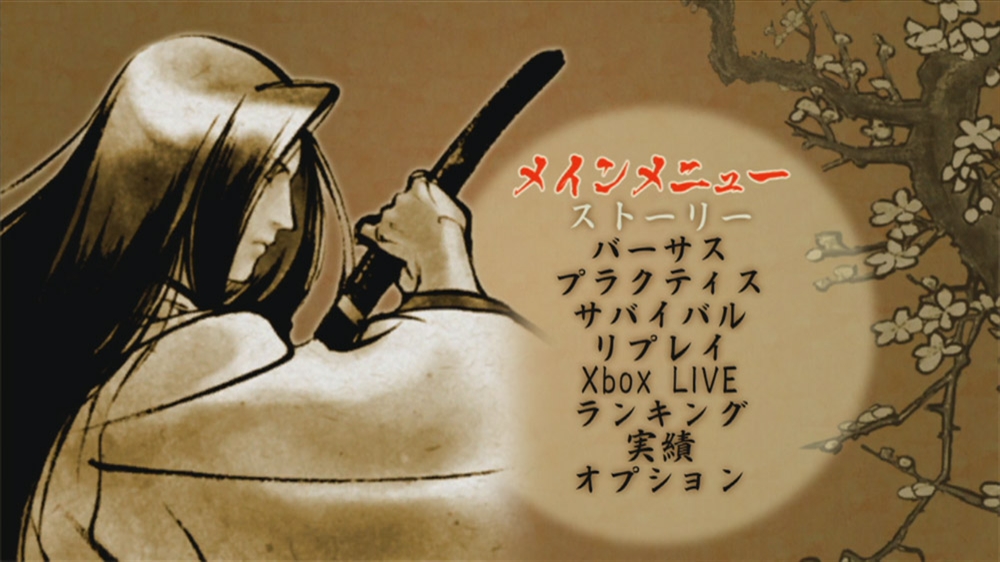
SAMURAI SHOWDOWN SEN: Weapon-Based Combat on Xbox 360
SAMURAI SHOWDOWN SEN stands as a distinct entry in the long-running fighting game franchise, delivering a weapon-based combat experience exclusively on the Xbox 360. Released on March 9, 2010, this title brings a roster of 24 fighters to the arena, blending well-known veterans of the series with brand new combatants. The game is designed for players who appreciate stylized, hand-drawn aesthetics and tactical brawls where positioning and weapon mastery are paramount. For those seeking a fighting game that emphasizes strategic strikes over fluid movement, Sen offers a unique challenge rooted in its specific mechanics and character-driven narrative.
Combat Mechanics and Gameplay Style
At its core, Samurai Shodown Sen focuses on intense, weapon-focused duels. The control scheme and combo structures draw comparisons to titles like Soul Calibur, requiring players to manage inputs and timing to execute long combos effectively. The combat is characterized by a rigid structure where trading blows demands precision rather than frantic button mashing. A defining mechanical feature is the ability to sever the limbs of your opponent, adding a visceral layer to battles that rewards aggressive play and strategic targeting.
The game introduces several key mechanics to deepen the strategic depth of every match:
- Strong Slash: A powerful attack that smashes through everything along its path, useful for breaking through defenses.
- Bouncing: A tactical maneuver that switches the position of offense and defense, allowing players to create openings or escape pressure.
- Concentration: A critical state ability that can reverse the result of a battle in a glimpse when a fighter is at a disadvantage.
- Power Explosion: A mode that powers up a fighter's attacking capability and increases the number of available skills for more dynamic combos.
- Air Combos: Players can launch airborne rivals and continue the assault to beat them to death, rewarding aerial dominance.
Story, Setting, and Visual Presentation
SAMURAI SHOWDOWN SEN features a whole new story mode that introduces players to new characters such as Takechiyo and Suzu. The narrative unfolds through a series of character matchups, with story progression revealed via blocks of text scrolling over animated backgrounds for each fighter. The roster includes diverse characters, such as the cowboy-inspired sheriff Draco, who wields a rifle in a sword fight, adding unique weapon dynamics to the matches. The story mode presents a varied difficulty curve, with some matches proving deceptively easy while others require multiple retries due to challenging opponents.
Visually, the game retains the franchise's signature Eastern flavor and stylized approach. Hand-drawn character art adorns the menu and character select screens, though the in-game presentation features pixelated sprites. The stages themselves are flat, non-interactive arenas that serve as the backdrop for the combat, keeping the focus entirely on the duelists rather than environmental hazards.
Notable Features and Platform Availability
Available on Xbox 360, this title supports a wide range of languages to accommodate a global audience, including English, French, Italian, Spanish, Czech, Polish, Portuguese, and Russian. The game features a substantial roster of 24 characters, ensuring variety in playstyles and weapons. Key features include the limb-severing mechanic, the aforementioned special combat systems like Concentration and Power Explosion, and a story mode that delves into the backgrounds of both returning and new fighters.
Who Will Enjoy Samurai Shodown Sen?
This game appeals primarily to fans of traditional weapon-based fighting games and players who enjoy the tactical depth found in the Soul Calibur series. It is ideal for those who appreciate stylized, hand-drawn visuals and mechanics that reward strategic positioning and timing over fluid animation. Players who enjoy high-stakes duels where a single mistake can lead to a limb loss or a reversal via Concentration will find Sen engaging. However, the rigid combat style and lack of interactive stages may not suit players looking for the fluid movement or modern graphical fidelity found in other contemporary fighters.