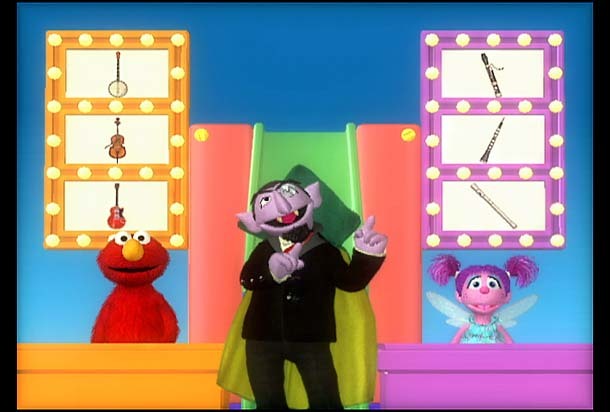
Sesame Street: Elmo's Musical Monsterpiece is a music and rhythm video game designed to introduce young players to the world of sound and creativity. Released on June 1, 2012, this title invites children to explore musical styles, identify instruments, and compose songs alongside beloved Sesame Street characters. Published by Warner Bros. Interactive Entertainment Inc., the game is tailored for early childhood development, blending educational content with interactive gameplay mechanics that foster musical appreciation and coordination.
Story and Setting in Elmo's Musical Monsterpiece
Players embark on a musical adventure through a vibrant, music-themed land of wonder. The narrative centers on Elmo, Abby Cadabby, Count von Count, and the Honkers as they travel through this magical environment, encouraging players to help create a musical monsterpiece. The game uses these familiar personalities to guide children through various challenges, reinforcing the educational values of the Sesame Street brand while maintaining an engaging and entertaining storyline. The setting is designed to be immersive for young audiences, using the characters' enthusiasm to drive the exploration of rhythm and melody.
Gameplay Mechanics and Music Education
The core gameplay focuses on music education and creative expression. Players learn about different styles of music as well as instrument and sound identification. The game allows users to play various instruments and mix sounds together to create their own songs, promoting a hands-on approach to music-making. This interactive element encourages children to experiment with audio combinations, developing their auditory skills and creative thinking.
On the Nintendo Wii, the game incorporates motion-based gameplay, enabling players to dance to various rhythms and beats using simple Wii remote movements. This physical interaction helps develop coordination while keeping the experience active and fun. A key feature of the gameplay is the adaptive difficulty system; the game difficulty automatically adjusts to the child's level, ensuring accessibility and preventing frustration. This allows children to grow their musical confidence at their own pace, making the game suitable for varying skill levels.
Notable Features and Parental Tools
- Parents Page Tracking: The game includes a Parents Page feature that allows adults to monitor their child's gameplay progress, providing oversight of the educational experience.
- Audio-Visual Directions: Easy-to-follow audio-visual directions guide young players, ensuring they can understand objectives without relying on complex reading skills.
- Cooperative Play: The Nintendo Wii version supports drop-in functionality, allowing a second remote to assist players, which facilitates shared play between children and parents or siblings.
- Early Childhood Rating: The game is rated Early Childhood by the ESRB, confirming its suitability for very young audiences and age-appropriate content.
Platform Availability
Sesame Street: Elmo's Musical Monsterpiece is available on multiple Nintendo platforms, ensuring broad accessibility. The game was released for the Nintendo DS, offering handheld portability, and the Nintendo Wii, which supports motion-based gameplay. Additionally, the Nintendo Wii version is compatible with the Nintendo Wii Mini and can be played on the Nintendo Wii U, allowing families to enjoy the musical adventure on various systems within the Nintendo ecosystem. This multi-platform availability makes it a versatile addition to family gaming libraries.
Who It Appeals To
This game is primarily targeted at young children and families seeking educational entertainment. It appeals to fans of the Sesame Street: Elmo's Musical Monsterpiece cast who wish to interact with Elmo and friends in a new format. Parents and educators will appreciate the focus on musical literacy, instrument recognition, and the adaptive difficulty that supports developmental milestones. The cooperative features make it ideal for shared experiences, while the monitoring tools assist adults in managing the learning process. Overall, the game serves as a bridge between passive viewing of the TV show and active, creative participation in music-making.