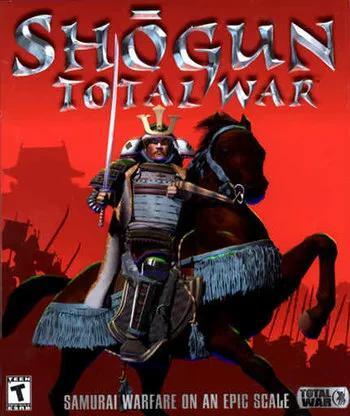
Shogun: Total War stands as a monumental title in the strategy gaming genre, released in June 2000 by The Creative Assembly for Microsoft Windows. It pioneered a unique hybrid approach that combined deep turn-based empire management with visceral 3D real-time tactics. Set against the backdrop of feudal Japan, the game invites players to navigate a turbulent era of civil war and political intrigue, establishing the foundation for a legendary franchise.
Shogun: Total War: A Warring States Saga
The narrative framework of Shogun: Total War is rooted in the Sengoku Jidai, or "Warring States" period, spanning the 15th to the 17th century. During this time, Japan was nominally ruled by an emperor but was effectively divided among powerful regional warlords known as daimyo. The player assumes the role of one of these ambitious leaders, tasked with the ultimate objective of unifying the fractured nation and claiming the prestigious position of shōgun.
Historical authenticity was a primary goal for the developers, with advice provided by military historian Stephen Turnbull. Players must choose from seven rival clans, each possessing distinct geographic advantages and unique strengths. This setup ensures that no two campaigns are identical, as the strategic landscape changes based on your starting position and the alliances formed.
Strategic Campaign and Tactical Combat
The gameplay loop of Shogun: Total War is divided into two distinct but interconnected phases: the campaign map and the battlefield.
In the **Campaign Mode**, the game presents an overhead view of Japan, resembling a table spread across a throne room. This turn-based layer functions somewhat like an enhanced version of the classic board game *Risk*. Players manage their province's economy, which relies on rice production, referred to as koku. This currency is used to recruit and maintain armies. Beyond warfare, players utilize:
- Emissaries: To forge alliances and offer treaties with rival clans.
- Shinobi (Spies): To gather intelligence, assassinate enemy generals, and disrupt rival economies.
- Generals: To lead armies in the conquest of neighboring provinces.
When armies clash, the game transitions to **Real-Time Tactics**. Battles take place on one of 85 meticulously crafted maps, featuring diverse terrains such as rolling hills, dense forests, rivers, and imposing castle fortifications. The 3D engine renders unit movements and combat mechanics with a level of detail that was groundbreaking for its time.
Notable Features and Target Audience
Success on the battlefield requires more than just brute force; environmental factors play a crucial role. The host of a multiplayer game can select the season, which dictates the weather and the duration of the battle day. These elements have tangible impacts on combat efficiency:
- Wind: Strong winds can hinder the accuracy of archers.
- Rain: Heavy downpours with thunder and lightning can render arquebusiers (early musketeers) unable to fire their weapons.
For those seeking competitive play, Shogun: Total War supports multiplayer matches accommodating up to eight players divided into two teams. The host controls the map selection, unit sizes, and starting resources, ensuring balanced and varied engagements.
Whether defending a castle and waiting for the enemy to breach the gate or maneuvering across open fields to flank an opponent, the game offers a sophisticated tactical experience. While the diplomacy and espionage models are relatively simple compared to modern standards, the focus on military strategy and the seamless transition from grand strategy to the chaos of battle makes this title a prime choice for strategy enthusiasts and history buffs alike.