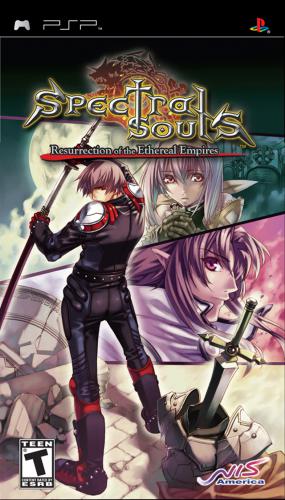
Spectral Souls: Resurrection of the Ethereal Empire Overview
Spectral Souls: Resurrection of the Ethereal Empire stands as a distinct entry in the strategy RPG landscape, offering players a multi-layered tactical experience set against a backdrop of shifting allegiances and ongoing conflict. Released for handheld and home consoles, this title challenges players to navigate a complex narrative where strategic decisions directly shape the outcome of an escalating war. By blending turn-based combat with branching storytelling, the game presents a campaign structure that prioritizes player agency and faction management.
Genre and Gameplay Mechanics
Positioned firmly within the strategy RPG genre, the title combines traditional tactical combat with deep narrative progression. Players engage in mission-based battles where precise timing, positioning, and unit management are essential for survival. Between combat stages, the gameplay shifts to a town-hub system that follows standard role-playing conventions. Players can visit Item Shops to purchase and sell weapons, armor, and healing supplies, utilize Workshops for equipment modifications, and access Guilds to further strengthen their units. A core mechanical pillar is the ability to switch between different factions outside of combat, allowing for a highly dynamic campaign structure that rewards strategic flexibility.
Story and Setting
The narrative unfolds in an alternate world known as Neverland, a realm where humanity has been forced to submit to demonic overlords. Despite frequent violent uprisings and rebellions, tenuous peace agreements have kept the region from full-scale warfare, though underlying discontent constantly simmers beneath the surface. After a series of villages are sacked and burned by demonic troops, a massive revolution erupts, triggering what becomes known as the Seven Years War. This conflict threatens to permanently alter the fate of the world. Rather than forcing a single protagonist, the story invites players to explore the war from multiple perspectives, navigating dark themes and unexpected plot twists as they influence key historical events.
Platform Availability
Spectral Souls: Resurrection of the Ethereal Empire was originally released on September 26, 2006. It launched on the PlayStation Portable, delivering the tactical experience to a dedicated handheld audience. The game is also available on the PlayStation 2, ensuring that players across different console generations can experience its strategic campaign. The title was published by NIS America, bringing the franchise to a broader international market.
Notable Features
- Multi-Faction Campaign: Players can control three distinct groups: the Imperial Neverland Army, the Reformed Simba Empire, and the Rozess Liberation Army, which emerges later as a peace-seeking faction.
- Dynamic Narrative Branching: The game introduces Historical Events that force critical side choices. Depending on which faction is active during these moments, players can unlock or eliminate battles and options for other sides, creating a highly replayable experience.
- Tactical Depth: The strategic combat requires careful planning, while the town-based progression system provides traditional RPG preparation phases.
- Critical Reception: Upon release, the title received mixed reviews, holding a Metacritic score of 47.00. Critics noted that while the game possesses ambitious plot and gameplay elements, execution issues, particularly regarding pacing and timing, significantly impacted the overall experience.
Who It Appeals To
This title is best suited for fans of branching narrative strategy games and players who enjoy tactical RPGs with heavy replay value. Those who appreciate games where faction loyalty, historical manipulation, and multi-route campaigns drive the experience will find the war system particularly compelling. However, players seeking tight, polished pacing or flawless execution may find the experience more niche due to its uneven design and critical reception. It remains a notable entry for collectors and strategy enthusiasts interested in exploring alternative war narratives and faction-based progression systems.