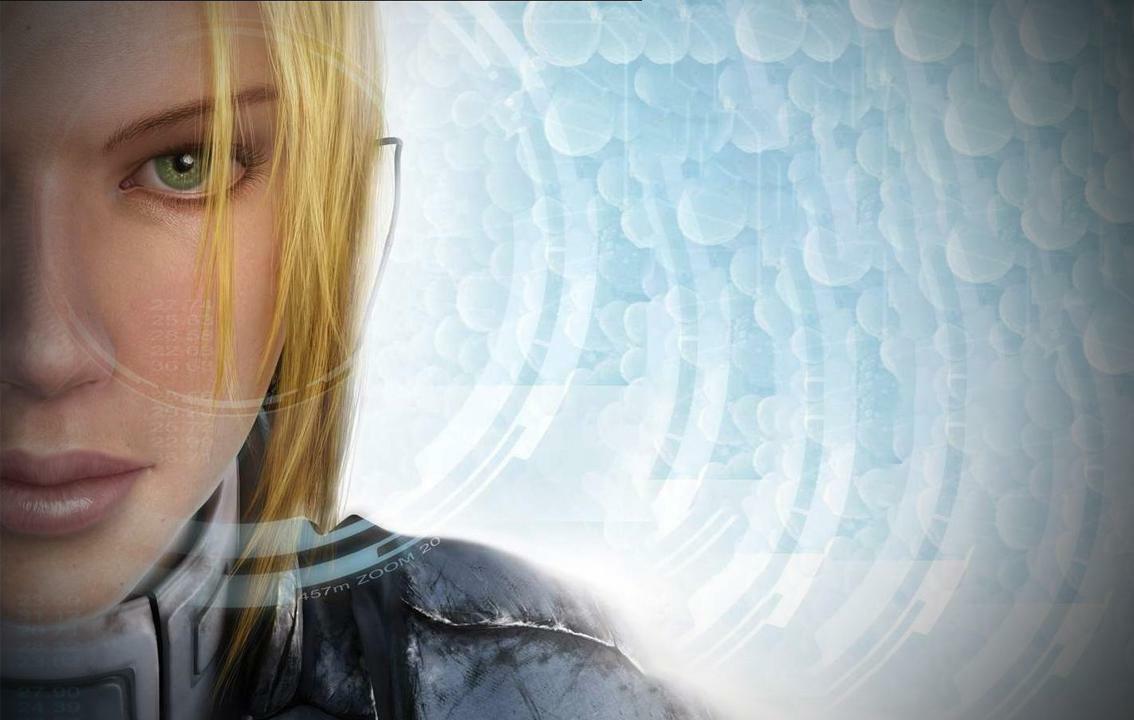
Before it was lost to the annals of gaming history, StarCraft: Ghost promised to redefine the legendary Blizzard Entertainment franchise for a new generation of players. Moving away from the traditional real-time strategy mechanics that defined the PC classic, this ambitious title aimed to bring the scale of the StarCraft universe down to the level of the individual soldier. Designed as a tactical action experience, it sought to place players directly into the boots of a highly trained operative navigating a galaxy on the brink of chaos.
A New Perspective on the StarCraft Universe
StarCraft: Ghost was envisioned as a departure from its RTS roots, blending elements of stealth-action and third-person combat. Set in the aftermath of the Brood War, the game was designed to be accessible to newcomers while providing deep, lore-rich content for long-time fans. The narrative centers on Nova, a gifted member of the Terran Ghost unit—the specialized black ops division of the human military.
As Nova, players navigate story-driven missions that span from intense planetary battles to high-stakes infiltration. Clad in a specialized suit designed to enhance and focus her natural psionic abilities, Nova serves as a bridge between ground combat and orbital support. The gameplay focuses on utilizing these heightened capabilities to survive encounters with various factions across the StarCraft cosmos.
Tactical Stealth and Psionic Combat
The core gameplay mechanics of StarCraft: Ghost revolved around the delicate balance between stealth and raw power. Unlike a standard shooter, players could not simply "run and gun" through every encounter; success required careful management of visibility and energy.
- Psionic Abilities: Nova possesses unique Psi powers that can be utilized to manipulate the battlefield. A primary feature was her cloaking ability, which rendered her transparent like a predator. However, this stealth was not absolute; environmental factors like fire could reflect off the cloak, increasing visibility and alerting enemies.
- Stealth Mechanics: Much like a tactical espionage title, players had to monitor a stealth meter. Factors such as lighting, noise levels, and the use of cover directly impacted how easily Nova could be detected by enemy forces.
- Diverse Arsenal: Beyond psionic powers, the game featured a variety of combat options. Whether utilizing the precision of a Ghost's sniper rifle or the heavy firepower of a Marine’s shotgun, players had to adapt their tactics to the mission at hand.
- Multiplayer Ambitions: Early hands-on demonstrations showcased multiplayer modes where teams would vie for control of bases, featuring different playable units including stealth-focused Ghosts and high-damage flamethrower bots.
Development History and Legacy
The development of StarCraft: Ghost was famously tumultuous. Originally under different studios, the project eventually landed with Swingin' Ape Studios. During this transition, much of the original codebase and even the storyline were overhauled to create a more cohesive experience. Despite the heavy lifting involved in rebuilding the game from the ground up, the late-stage previews suggested a high level of polish consistent with Blizzard’s reputation.
While the game was highly anticipated for its "spiffy" new storyline and impressive cinematic presentation, it ultimately faced cancellation. Though it never reached its intended platforms—Xbox, PlayStation 2, and GameCube—the project remains a significant piece of StarCraft lore, representing one of the most ambitious attempts to translate a massive RTS intellectual property into a personal, character-driven action epic.