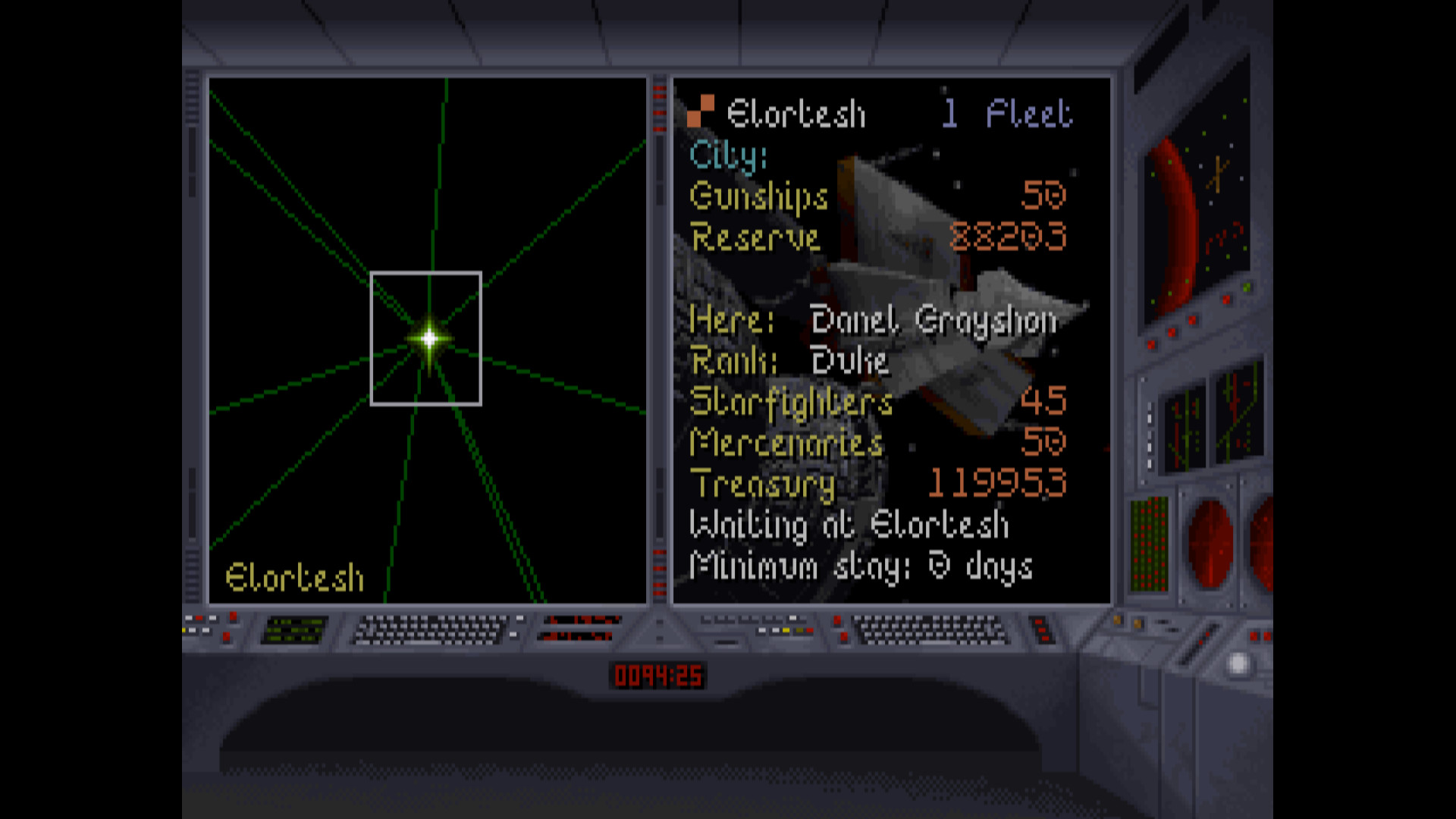
Starlord stands as a pioneering entry in the realm of space strategy and action simulation games. Released during the early 1990s, this title challenges players to step into the role of a planetary commander with ambitions far beyond their starting world. Your ultimate goal in Starlord is nothing less than galactic dominion, tasked with controlling the entire galaxy to secure a lasting family dynasty. While you begin with a single planet, your journey quickly expands into a complex web of warfare, negotiation, and economic expansion.
Genre and Gameplay Mechanics
Categorized as both an action and simulation title, Starlord seamlessly blends real-time combat with deep strategic management. At the outset, players focus heavily on piloting starfighters and commanding forces in dynamic three-dimensional battles. As the campaign progresses, the gameplay shifts toward macro-level management. True victory requires mastering diplomatic, planning, and trading skills alongside martial prowess. You must analyze the strengths and weaknesses of your competitors, forge strategic alliances, and execute calculated strikes. The simulation aspect demands careful resource allocation and long-term tactical foresight, ensuring that raw combat ability alone cannot guarantee supremacy.
Story and Galactic Setting
The narrative framework is built around a fiercely competitive feudal hierarchy set across a sprawling galaxy. You assume control as a Starlord, initially ruling a single planet while eyeing the ambitions of one thousand other rival rulers. The setting revolves around a high-stakes power struggle where dynastic legacy is the ultimate prize. As you expand your influence, you install clan members on newly conquered worlds and summon vassal lords to bolster your military campaigns. However, the galaxy is a treacherous place; as your power grows, so does the bounty placed on your head by envious rivals, creating a tense atmosphere where alliances are temporary and betrayal is always a possibility.
Platform Availability and Release Details
Originally launched in late 1992, Starlord has seen modern re-releases that bring its classic simulation mechanics to contemporary systems. The game is currently available on PC and Linux platforms, allowing today's players to experience its foundational design. Originally developed by Third Millenium Software and published by Atari, the title was later preserved and distributed through Nightdive Studios, ensuring its compatibility and accessibility for modern gaming setups. This multi-platform availability ensures that both legacy hardware enthusiasts and current PC/Linux users can dive into its expansive universe.
Notable Features of Starlord
This title distinguishes itself through several core design pillars that set it apart from its contemporaries. The game offers a robust single-player campaign that focuses entirely on personal conquest and strategic depth. Key features include:
- Dynamic Feudal Progression: A unique hierarchy system where players must manage vassals, install family members on conquered planets, and navigate complex political loyalty.
- Mixed Combat and Management: A seamless transition from piloting starfighters in 3D dogfights to managing planetary economies and diplomatic treaties.
- Evading the Bounty: A built-in risk/reward system where increased power triggers active threats from rival factions, keeping gameplay tense and unpredictable.
- Strategic Diplomacy and Trade: Extensive negotiation mechanics that allow players to generate wealth, form temporary alliances, and expand their influence without constant warfare.
Who It Appeals To
This title is specifically crafted for enthusiasts of classic space strategy, grand strategy simulations, and retro gaming. It appeals to players who enjoy balancing immediate tactical combat with long-term economic and political planning. Fans of empire-building games that emphasize dynasty management, feudal politics, and high-stakes galactic warfare will find its systems deeply engaging. Additionally, its straightforward single-player focus and lack of multiplayer distractions make it an ideal experience for those seeking a solitary, immersive journey through a harsh and expansive universe.