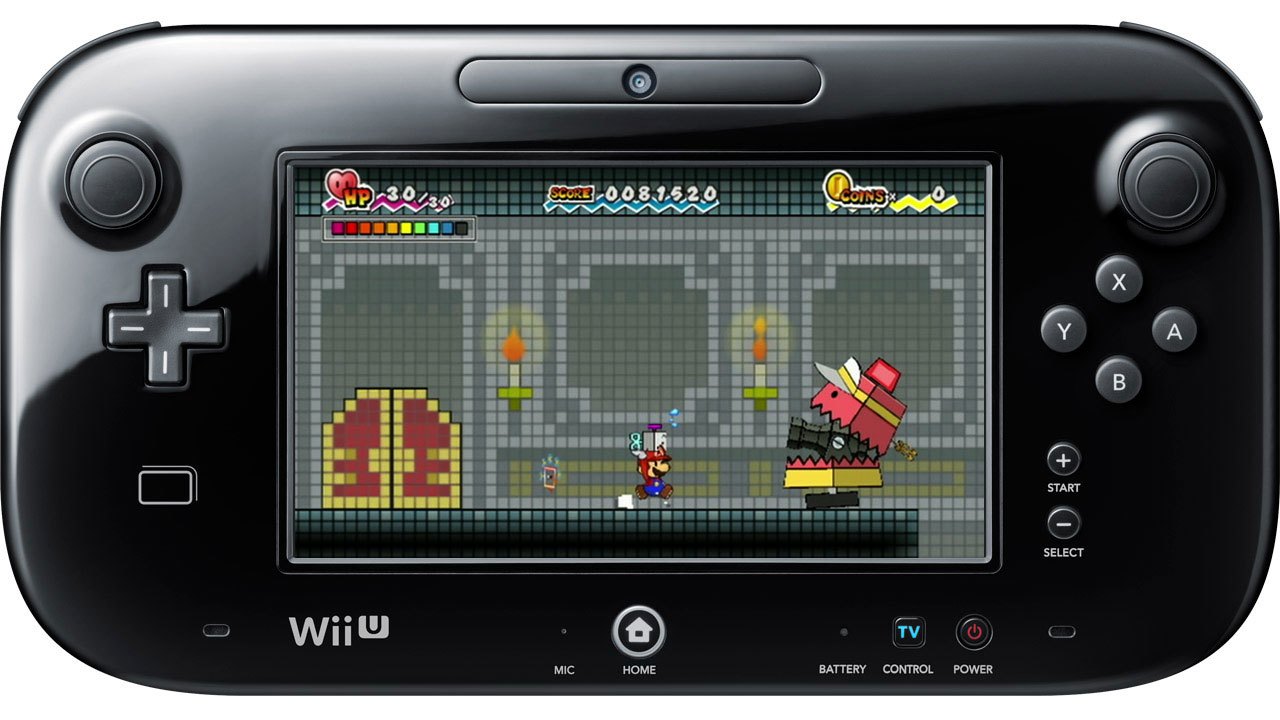
Super Paper Mario: A Genre-Defying Adventure
Released on April 9, 2007, Super Paper Mario stands as a bold evolution in Nintendo’s beloved role-playing franchise. Developed by Intelligent Systems and published by Nintendo, this title successfully transitions the series from the GameCube to the Wii, delivering a hybrid experience that defies traditional categorization. Blending platforming precision with RPG elements, the game has earned a Metacritic score of 85.00, cementing its status as one of the standout releases of its generation. Available on both the Wii and Wii U, it invites players to explore eight vibrant worlds while constantly shifting perspectives to overcome challenges.
Gameplay Mechanics and Genre Blend
At its core, Super Paper Mario is an innovative fusion of platformer and RPG mechanics. Intelligent Systems made the daring choice to abandon the turn-based combat that defined its predecessors, opting instead for fast-paced, real-time action. Players navigate side-scrolling stages and multi-level environments where timing and spatial awareness are paramount. The game’s most defining mechanic is its ability to flip between two-dimensional and three-dimensional perspectives, allowing Mario to bypass obstacles, discover secret passages, and outmaneuver enemies. While traditional RPG staples like levelling up and item collection remain, they are less central to progression. Instead, the experience emphasizes exploration, puzzle-solving, and mastering a dynamic party system that lets players switch between characters mid-battle.
Story and World Setting
The narrative unfolds across a series of distinct realms, beginning with a wedding that quickly spirals into a multiversal crisis. Players are introduced to Count Bleck, a formidable antagonist whose schemes threaten to unravel the fabric of existence. Guided by the Light Prognosticus, Mario discovers he is the prophesied hero of light, tasked with collecting seven hearts to prevent universal collapse. The journey takes place across eight colorful worlds, anchored by Flipside, a sprawling hub town built on stacked streets connected by elevators. While the story relies on written dialogue rather than voice acting, it delivers genuinely funny exchanges, surprising plot twists, and creative fourth-wall breaches. The adventure also allows players to temporarily take control of Princess Peach and Bowser, adding variety to the narrative and gameplay.
Notable Features and Design
Super Paper Mario distinguishes itself through several standout elements that reward both exploration and experimentation:
- Perspective Shifting: Seamlessly flipping between 2D and 3D views is essential for navigation, combat, and uncovering hidden rewards.
- Wii Remote Integration: The game utilizes motion controls for stylish attacks and interactive gameplay moments unique to the Wii hardware.
- Party System: Switching between characters during exploration and combat provides tactical advantages and keeps encounters fresh.
- Artistic Presentation: Rather than relying on raw computing power, the game achieves its striking visual identity through a clever paper-craft aesthetic and inventive level design.
Platform Availability and Target Audience
Originally developed for the Wii and later made accessible via the Wii U eShop, Super Paper Mario caters to a wide range of players. Its genre-blending design appeals to platformer enthusiasts who enjoy spatial puzzles, as well as RPG fans who appreciate tactical party management and world-building. The game’s creative humor, fourth-wall awareness, and willingness to subvert series conventions make it particularly suitable for players seeking innovative Nintendo experiences. While newcomers may need to push through lengthy text-heavy sections before the gameplay truly shines, those who engage with its mechanics will find a rock-solid adventure that stands as a testament to Intelligent Systems’ creative vision.