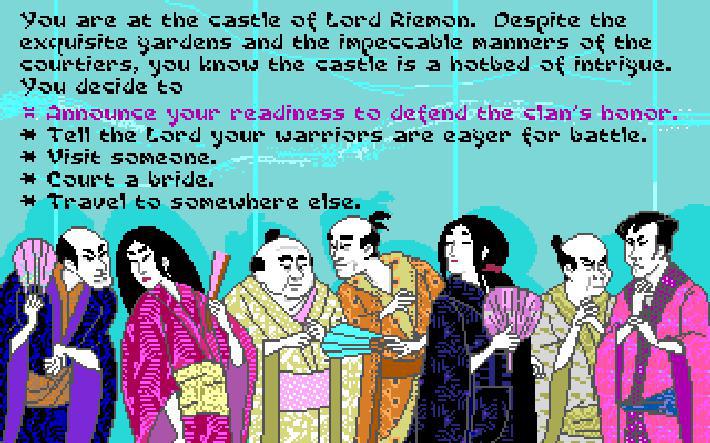
Sword of the Samurai: A Classic Strategy Epic
Released on January 1, 1989, Sword of the Samurai stands as a landmark title in the strategy and adventure genres. Developed by MPS Labs and published by MicroProse, this game immerses players in the tumultuous age of warring states in sixteenth-century Japan. You assume the role of a samurai warrior navigating a complex simulation of combat, statesmanship, and intrigue. The ultimate objective is to unify all 48 warring provinces under your noble rule, earning the title of shogun, military ruler of all Japan. In this world, honor is more crucial than life itself and serves as the primary currency for achieving your goals.
Gameplay Mechanics and Strategy
Sword of the Samurai offers a deep strategic experience that balances personal growth with political ambition. The game features a unique interface where players must manage resources across a map of Japan divided into provinces. Success requires mastering a system of symbols that represent key attributes: sunshine icons denote honour, wafer-shaped biscuits represent military might, gun-like symbols indicate duelling skill, and space invader symbols signify land holdings. Understanding these icons is essential for effective resource management.
- Real-Time Battles: The game delivers the drama of real-time combat involving infantry, cavalry, and muskets. Battlefields vary with every conflict, adding variety to the strategic engagements.
- Melee and Duels: Players engage in furious melee action against multiple warriors across diverse locations, including castles, villages, and rice paddies. Additionally, you must vindicate yourself in duels against rivals who seek to diminish your honor.
- Dynamic AI: Computer-controlled opponents make decisions based on your actions and the moves of other rival characters, creating a reactive and unpredictable world.
- Customization: Upon starting, players choose a "family advantage" which aids in decoding the game's symbols. The game also offers four skill levels and various starting options to suit different playstyles.
Despite its complexity, the game is designed to be fun and easy to control. It utilizes an ingenious system of menus, animation, and text windows pioneered by MicroProse in their earlier title Pirates!, effectively conveying detailed information while maintaining graphical engagement.
Story, Setting, and Atmosphere
Set against the backdrop of feudal Japan, Sword of the Samurai provides a narrative driven by freedom of choice. Players can determine their path through aggressive military conquest or subtle political maneuvering. This freedom allows for a high degree of immersion, as your decisions directly impact the course of the game. The game is often regarded as a spiritual successor to the mechanics introduced in Sid Meier's Pirates!, bringing that same level of depth to the bushido code.
Atmosphere is a key component of the experience. Authentic Japanese music and graphics powerfully evoke the mood of the era. The game also incorporates Japanese proverbs into its loading screens, such as "Deliberation is preferable to haste," reinforcing the thematic emphasis on patience and strategic planning.
Platform Availability
Originally a PC classic, Sword of the Samurai has been preserved for modern audiences and is available on PC, macOS, and Linux. This cross-platform availability allows fans of classic strategy games to experience this deep simulation on contemporary systems. The game has maintained a strong reputation over the decades, with its re-release garnering "Very Positive" reviews for its enduring gameplay depth.
Who Should Play Sword of the Samurai?
This title is ideal for players who appreciate classic strategy games, historical simulations, and RPGs with intricate systems. It appeals to those who value freedom of choice, complex resource management, and atmospheric settings. Whether you are a veteran of MicroProse classics or a newcomer to the genre looking for a game with genuine depth, Sword of the Samurai offers a compelling journey through the age of warlords, rewarding tactical thinking and the pursuit of honor.