The Bugs Bunny Crazy Castle: A Portable Puzzle-Action Classic
Released in 1989, The Bugs Bunny Crazy Castle stands as a nostalgic entry in the world of handheld gaming. Developed by Kemco, this title brings the beloved Warner Bros. cartoon icon into a digital format, transforming him into the star of a unique action-puzzle experience. As part of a broader franchise that has featured various popular animated characters, this specific installment focuses on Bugs Bunny navigating a series of increasingly challenging stages. The game remains a notable piece of gaming history, particularly for players who grew up with early portable consoles and appreciate the crossover of classic animation with emerging video game technology.
Genre and Core Gameplay Mechanics
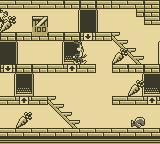
Categorized firmly as an action-puzzle hybrid, the game requires players to balance quick reflexes with strategic problem-solving. Kemco designed the series to deliver concise challenges that fit perfectly into portable gaming sessions. The action-puzzle framework means that success relies on navigating obstacles efficiently and figuring out the logical sequence of events within each stage. Rather than relying on extensive narrative cutscenes or complex control schemes, the gameplay centers on clear objectives and trial-and-error progression. This design philosophy made it accessible to a wide range of players while still offering enough depth to keep experienced puzzle enthusiasts engaged.
Story and Setting Overview
The narrative backdrop draws directly from the Looney Tunes universe, placing players in a world where Bugs Bunny takes center stage. While the game does not rely on heavy dialogue or cinematic storytelling, the setting and presentation are crafted to reflect the charm of the original Warner Bros. cartoons. Each level acts as a self-contained challenge, allowing Bugs Bunny to progress through a series of distinct environments. The focus remains on the character's iconic presence and the playful tone that has defined the franchise across decades of media and gaming adaptations.
The Bugs Bunny Crazy Castle: Platform Availability and Release History
Originally launching in 1989, the game has enjoyed a long and varied release history across multiple generations of handheld and home consoles. Kemco initially introduced the Crazy Castle concept on the Famicom Disk System and NES before expanding the series to the Game Boy. The Game Boy version brought the action-puzzle experience to a portable format, allowing fans to take the challenge on the go. Years later, Kemco continued to support the franchise by releasing titles on the Game Boy Color and Game Boy Advance. The Game Boy Advance iteration ensured that the series remained accessible to newer generations of players, bridging the gap between classic handheld gaming and the upcoming era of advanced portable consoles.
Notable Features and Cultural Impact
One of the most intriguing aspects of the Crazy Castle franchise is its crossover into modern pop culture. The game recently gained renewed attention when it was featured in Space Jam: A New Legacy, where a character is seen playing a portable version of the title. This cameo highlighted how deeply embedded classic cartoon games remain in gaming nostalgia, even as audiences debate the accuracy of on-screen hardware representations. The franchise's ability to span decades, multiple platforms, and various cartoon IPs demonstrates Kemco's consistent approach to adapting beloved characters into accessible, puzzle-driven formats. The game's enduring presence in gaming discussions and retro media roundups underscores its status as a recognizable artifact of late-1980s and early-1990s handheld gaming.
Who It Appeals To
The Bugs Bunny Crazy Castle primarily targets players who appreciate retro gaming, classic cartoon adaptations, and concise puzzle-action gameplay. Collectors of vintage handheld titles will find it valuable as a representative example of Kemco's early work and the broader Crazy Castle series. Fans of the Looney Tunes franchise will appreciate the opportunity to interact with Bugs Bunny in a digital space that honors his comedic roots. Additionally, gamers who enjoy short, self-contained challenges that can be played in brief sessions will find the game's design philosophy highly relevant. Whether revisiting childhood memories or exploring gaming history, the title continues to offer a straightforward, character-driven experience that bridges the gap between classic animation and interactive entertainment.