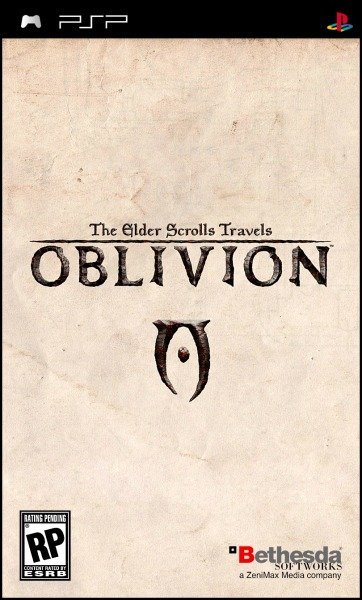
The Elder Scrolls Travels: Oblivion, developed by Climax Studio, stands as one of the most ambitious "lost" titles in the history of the franchise. Originally announced for the PlayStation Portable (PSP), this Action RPG was designed to deliver a substantial portion of the Oblivion experience in a portable format. While the official retail release was cancelled, the game has captivated gaming enthusiasts through leaked demo-beta versions that surfaced in 2016, showcasing a project that was far more developed than typical mobile spin-offs of the era.
Story and Setting
Set parallel to the main console event, The Elder Scrolls Travels: Oblivion functions as a sidestory that diverges from the traditional open-world structure. The narrative places players in the role of a voiceless protagonist tasked with a critical mission: cleaning up the remaining Oblivion gates that the main hero of the console game never got around to clearing. This specific objective allows the game to focus heavily on dungeon delving.
The setting is vast, transporting players across the regions of Cyrodiil and even pulling them back to locations from previous series entries like Daggerfall. By narrowing the scope to a more linear path, the game manages to offer a directed experience that still respects player agency, exploring the hellish nightmare of the Oblivion realm alongside the gorgeously detailed towns of the Empire.
Gameplay Mechanics
Despite the technical constraints of the PSP hardware, the leaked builds demonstrate a game that plays astonishingly well. The core mechanics are faithful to the parent title, ensuring that the RPG experience remains robust. Key gameplay elements include:
- Combat System: The game utilizes a lock-on camera mechanic combined with generous hit detection. This design choice ensures that fighting remains a breeze and is manageable even with the PSP's limited control scheme.
- Progression: Skills improve through use, adhering to the series' signature skill-based progression without a restrictive class system.
- Interaction: Players can engage in dialogue trees with every non-hostile NPC, allowing for roleplaying opportunities.
- Equipment: The game features a variety of magic spells and weapons available for the player to utilize.
One of the standout features highlighted in the development builds is the depth of character creation. Players can meticulously edit facial features, hair, skin tone in specific areas, eyes, and age. However, mastering the customization sliders can take time, particularly when attempting to create specific beard styles.
Notable Features
Perhaps the most remarkable aspect of this project was its sheer ambition for the 7th generation of handheld gaming. The game was designed to cram a proper Oblivion experience into a single UMD. While reports indicate that the final release would have had to scale back certain elements for hardware optimization, the leaked milestone builds show a title that runs well on actual hardware. Interestingly, some mechanics, such as the persuasion minigame, were not present in the leaked versions, suggesting ongoing development work.
Who It Appeals To
The Elder Scrolls Travels: Oblivion appeals primarily to dedicated fans of the franchise who crave handheld exploration of Tamriel. Its unique position as a cancelled but playable gem also makes it highly relevant to gaming historians and those interested in the evolution of mobile and handheld RPG mechanics. For those fascinated by the "what if" scenarios of gaming history, this title offers a rare glimpse into a version of Oblivion that almost was.