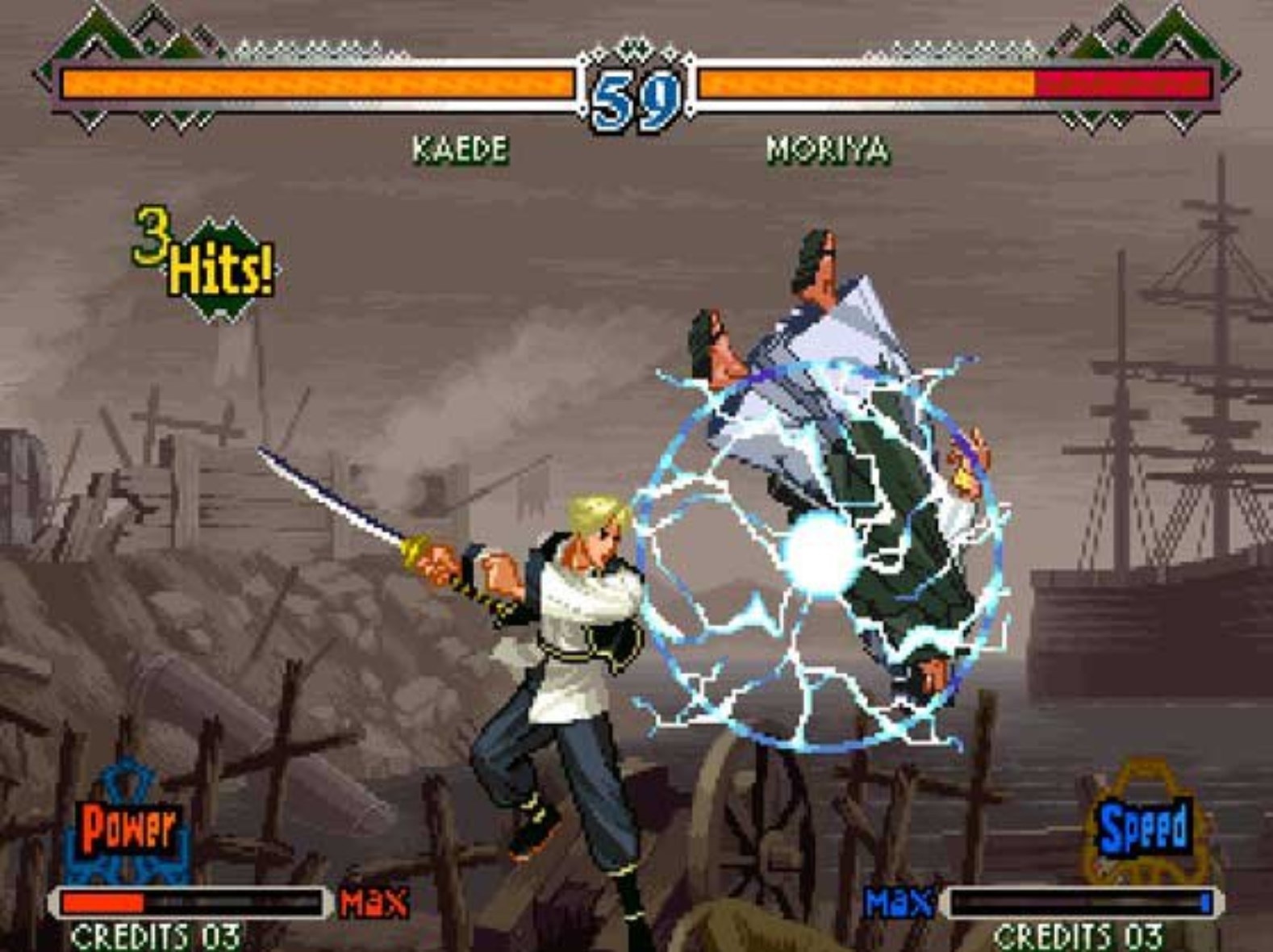
Released on November 25, 1998, The Last Blade 2 stands as a masterclass in weapon-based versus combat. Developed by SNK, this sequel to the original 1997 title refines the classic arcade formula into a tighter, more balanced fighting experience. Set against a backdrop of myth and historical upheaval, the game expands its roster to eighteen fighters, blending deep mechanical strategy with atmospheric storytelling. As players navigate a refined combat engine, they will encounter new sword gauge modes, dynamic stage interactions, and a roster of characters whose strengths and weaknesses are deliberately unbalanced to reward mastery and adaptation.
Combat Mechanics and Sword Gauge Modes
At its core, the game revolves around precise positioning, parrying, and managing a dynamic sword gauge. Players choose from three distinct playstyles: the aggressive “POWER” mode, the swift “SPEED” mode, and the newly introduced “EXTREME” (EX) mode, which blends the strengths of both for a more balanced approach. The EX mode allows for versatile, less restrictive gameplay while maintaining the series' trademark tactical depth. A key defensive addition is the “REPEL” mechanic, which lets players time their blocks perfectly to counter incoming attacks and create openings for counterstrikes. When the sword gauge is full, fighters can unleash devastating finishing techniques, including the “SUPER SECRET SLASH”, “HIDDEN SECRET SLASH”, and “ENIGMA FRENZY-ATTACK”. Speed mode also replaces the previous custom combo system with a long chain combo mechanic, demanding precise input execution. These adjustments, combined with tighter frame data and refined controls, make the combat feel exceptionally responsive and rewarding.
The Last Blade 2 Story and Historical Setting
The narrative unfolds in 1863 during the Bakumatsu period, a turbulent era marking the final years of the Tokugawa shogunate. The plot centers on “Hell’s Gate”, a mythical boundary separating the world of the living from the netherworld. With a great portal linking both realms, an ultimate spirit has awakened from the depths, and four Mythological Symbols must engage in a death match to seal it away permanently. The game introduces the Sealing Rite, a ritual requiring the combined power of the Four Gods and a designated Sealing Maiden to restore balance. Meanwhile, restless underworld spirits conspire to disrupt the ceremony, hoping to cross into the human world. The story is delivered through extended cutscenes and a grimmer, more mature tone, with darker character palettes and longer narrative sequences that emphasize the weight of each duel.
Platform Availability and Modern Releases
The title launched originally on arcade hardware before expanding to the Neo Geo AES and Neo Geo CD, followed by a Dreamcast release in 2000. Today, The Last Blade 2 is available on PC, Xbox One, PlayStation 4, Dreamcast, and Neo Geo platforms, with contemporary ports delivering enhanced stability and modern networking support. Modern re-releases support cross-platform functionality, including cross-play, cross-buy, and cross-save features between PlayStation systems, allowing players to continue their progress seamlessly across devices while enjoying the original arcade experience.
Visual Presentation and Dynamic Stages
- Hand-drawn backgrounds with exceptional detail and vibrant color palettes
- Dynamic stage elements, such as rabid dogs reacting to combat noise, wild horses, and burning buildings with heat haze effects
- Fluid 2D animation that highlights character-specific movement styles and weapon swings
- Orchestral soundtrack paired with sharp sword-clashing sound effects and intense battle cries
- New animated intros and character-select screens that establish the mood for each matchup
Who The Last Blade 2 Appeals To
Fighting game veterans and newcomers alike will find the title to be a compelling experience. The game particularly appeals to players who appreciate weapon-based combat, tactical spacing, and systems that reward defensive play and precise timing. Its deliberate character balance, where no two fighters share identical stats or move sets, encourages strategic roster selection and adaptive playstyles. Fans of classic SNK titles, historical Japanese mythology, and deep arcade fighters will recognize why this installment remains widely regarded as the pinnacle of the blade-based fighting genre. Whether revisiting the Bakumatsu era or experiencing the refined mechanics for the first time, the game delivers a timeless combat experience that continues to hold up in modern gaming.