The Lone Ranger on NES: A Genre-Bending Konami Experiment
Released in July 1991 for the Nintendo Entertainment System, The Lone Ranger stands as a unique entry in Konami's library of licensed titles. Developed exclusively for a North American audience, this action-adventure game casts players in the boots of the iconic masked hero as he battles outlaws across a wild west setting. The title is notable for its ambitious attempt to blend multiple gaming styles into one package, offering a chaotic yet occasionally competent experience that diverges sharply from standard platformers of the era.
Genre and Gameplay Mechanics
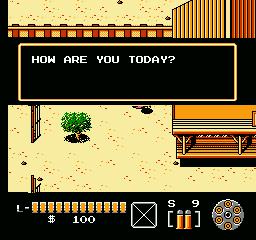
Defining the genre of The Lone Ranger is challenging due to its eclectic mix of mechanics. The game shifts perspectives frequently, drawing inspiration from a wide range of Konami classics. Players experience top-down exploration reminiscent of early stealth games like Metal Gear, alongside side-scrolling platforming segments that echo the intensity of Castlevania and Contra. The protagonist is agile, capable of shooting in eight directions, which adds a layer of action to the platforming.
Beyond the standard action, the game incorporates first-person dungeon crawling similar to Goonies II and Operation Wolf. For light-gun enthusiasts, the title supports the NES Zapper, allowing players to engage in shooting galleries and first-person sequences. The gameplay loop also includes an overworld map where random encounters occur, a feature borrowed from RPGs like Crystalis. Throughout the journey, players must visit towns to purchase upgrades such as TNT, long-range guns, and additional ammo, while also stumbling upon minigames like auto-scrolling shoot-'em-ups and video poker.
Story and Setting Overview
Based on the legendary radio and television franchise, the narrative follows the Lone Ranger as he progresses through eight distinct chapters. Each chapter unfolds within a small section of a larger map, requiring players to navigate towns, caves, and mountains. The story is driven by exploration and dialogue; players must interact with NPCs to uncover clues and unlock new destinations.
However, the progression can be hindered by heavy "busy work." The game often requires convoluted sequences of tasks to advance, such as finding empty buildings, reading notes about kidnapped characters, and traveling between towns to piece together information before the next level opens. While the game guides players through its world, the logic behind certain puzzles can be opaque, occasionally leading to frustration amidst the western adventure. The game's narrative also includes controversial moments, such as a fifth chapter involving the mass extermination of Native Americans, which has drawn criticism for its insensitive depiction.
Notable Features and Audio
- Audio Highlights: The game features the iconic Lone Ranger theme music and includes a DPCM-coded voice clip of the character shouting his famous catchphrase, "Hi Yo Silver."
- Variable Difficulty: The game alternates between easier overhead views and challenging first-person or dense side-scrolling segments where enemies are numerous and accurate.
- Minigame Variety: Players can break from the main story to play shooting galleries and video poker, adding to the eclectic nature of the experience.
- Optional Peripherals: The title works with the NES Zapper for specific light gun segments, though these are not mandatory for completion.
Platform Availability and Audience Appeal
The Lone Ranger was released exclusively for the NES in North America. It was never localized for other regions, nor has it ever been re-released on modern digital storefronts or compilation discs. This scarcity makes it a prized item for retro collectors.
The game appeals primarily to retro gaming enthusiasts and fans of Konami's diverse design history. Players who enjoy experimental titles that refuse to stick to a single formula will appreciate the variety, even if the execution is sometimes directionless. It also serves as a curiosity for fans of the franchise who wish to see the hero brought to life through the medium of 8-bit gaming. While the busy work and varying quality of level design might deter some, the competent action sequences and unique blend of genres offer a distinct experience for those willing to explore the Wild West on the NES.