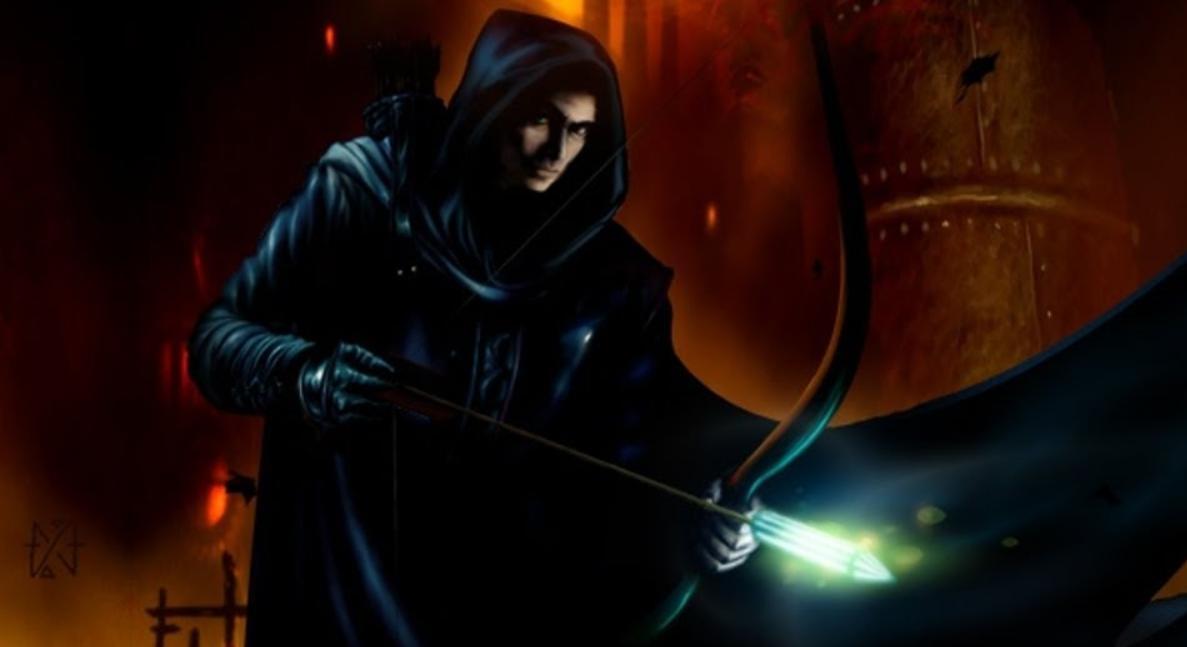
Thief II: The Metal Age stands as a definitive entry in the first-person stealth genre, originally released for PC in February 2000. Developed by Looking Glass Studios and published by Eidos Interactive, this sequel expands upon the foundation laid by its predecessor. The game demands precision, strategy, and patience, casting players as Garrett, the elusive master thief navigating a perilous world where profit often equals survival.
Thief II: The Metal Age Overview
Thief II: The Metal Age is classified as an action and simulation title that prioritizes evasion over combat. Released on February 29, 2000, the game offers a significantly more challenging experience than the original. The sequel tightens its focus on the core tenets of the series, presenting a meaner, harder world that tests the player's ability to remain undetected. Looking Glass Studios crafted this experience before their closure, leaving a legacy of high-fidelity stealth mechanics that influenced the genre for years to come.
Story and Setting
The narrative unfolds a year after the events of the first game. Garrett, a cynical thief who simply wishes to be left alone, is thrust back into the fray when a deep conspiracy threatens the metropolitan City. The plot involves a struggle for influence among various factions, including nobles and a religious sect known as the Mechanists. Led by the inventor Father Karras, the Mechanists seek to replace organic life with biomechanical servants, introducing a terrifying extremism to the world. Garrett must uncover clues regarding a mysterious prophecy concerning the end of humanity, risking his life to stop the catastrophe. The setting is a steampunk metropolis where steam-based technology blends with medieval fantasy, creating a unique atmosphere distinct from the darker horror tones of its predecessor.
Gameplay Mechanics in Thief II: The Metal Age
Stealth remains the primary focus in Thief II: The Metal Age. Players must rely on discreteness, utilizing the environment to avoid confrontation. Visibility and sound are critical mechanics; players can use gadgets to mask noises, locate enemy positions, and snuff out lights. The refined AI system ensures enemies react dynamically to sudden environmental changes. While Garrett possesses weapons, combat is heavily discouraged. On higher difficulty settings, engaging in combat often results in defeat and mission restarts. The sequel introduces mechanical monsters, such as bulbous robots and all-seeing sentries, which cannot be subdued with traditional blackjacks, forcing players to rely entirely on cunning and evasion to survive.
Notable Features
- Advanced AI: Enemies detect changes in the environment and react accordingly, making stealth a constant puzzle.
- Immersive Atmosphere: Revamped lighting and shadowing create a noir mood, with highly detailed textures and realistic physics.
- Voice Acting: Stephen Russell returns as Garrett, delivering a performance that deepens immersion into the protagonist's mindset.
- Challenging Difficulty: The game is known for its harsh, cruel world where players often feel powerless, emphasizing the terror of being hunted.
Who It Appeals To
Thief II: The Metal Age appeals to players who enjoy slow-paced, strategic gameplay over fast-paced action. It is ideal for stealth enthusiasts who appreciate complex level design, atmospheric storytelling, and the satisfaction of outsmarting opponents rather than overpowering them. Fans of simulation-style games that reward careful planning and precise execution will find this title a masterclass in the genre.