Tokyo Xtreme Racer 2: The Definitive Dreamcast Racing Experience
Tokyo Xtreme Racer 2 stands as a standout title in the Sega Dreamcast library, delivering a visceral night-time racing experience that diverges sharply from traditional track-based competitors. Released for the Dreamcast on June 22, 2000, this sequel expands on the original formula with enhanced sound quality and improved graphics, cementing its reputation as one of the console's most unique driving simulations. Known regionally as Shutokō Battle 2 in Japan and Tokyo Highway Challenge 2 in Europe, the game challenges players to master the art of highway combat through a blend of speed, strategy, and precision drifting. With a Metacritic score of 79.00, the title is recognized for its successful execution of a specialized racing niche.
Genre and Core Gameplay Mechanics
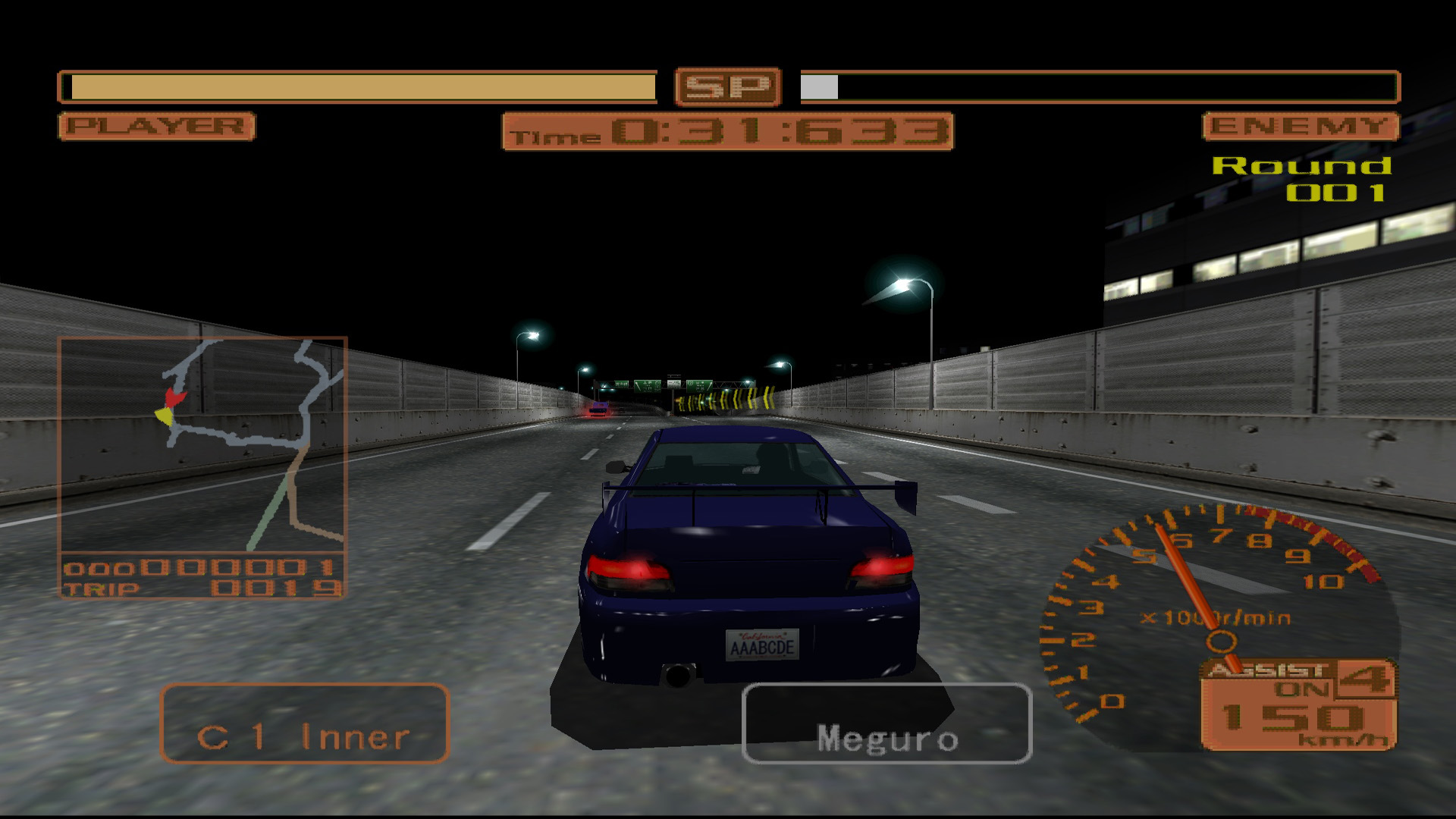
At its heart, Tokyo Xtreme Racer 2 is a racing game that borrows heavily from fighting game mechanics. Rather than racing to a fixed finish line, players engage in continuous battles on miles of digitized expressways. The primary objective is to outdistance a rival car, measured by a speed point life meter that depletes for the trailing vehicle based on the gap. If a player takes an off-ramp, the race ends in a draw, adding a layer of risk management to every corner. The game features over 100 cars, though players start with just 16, encouraging progression through the ranks.
The title offers four distinct racing modes: Quest, Quick Race, Time Attack, and Free Run. The Quest mode serves as the cornerstone of the experience, where players cruise the map to find rivals marked in blue. By flashing headlights, you issue a challenge that the AI may accept or reject based on your status, leading to intense one-on-one duels. Mastering the controls is essential, as the game is renowned for its "soapy" drifting physics that require significant practice to perfect.
Tokyo Xtreme Racer 2: Setting and Atmosphere
The setting is a sprawling, nocturnal Tokyo expressway system, described by reviewers as "cold, concrete rivers that float through the sky." The atmosphere is defined by the techno soundtrack and the isolation of night driving, where the only company comes from big rigs and the occasional police cruiser. This environment creates a tense, atmospheric backdrop for the high-stakes street racing action. The digitized roads and impressive visuals (despite some frame rate drops during heavy traffic) immerse players in the culture of Japanese highway racing.
Platform Availability and Notable Features
- Platform: Exclusively available on the Sega Dreamcast. It holds the distinction of being the final game in the series produced for the console.
- Car Customization: Earnings from victories allow for extensive tuning. Players can adjust shocks, brakes, and transmission to optimize performance for specific road types.
- Progression: The game features a class-based system where later Class-A cars are locked behind exorbitant costs, driving the grind to defeat powerful boss cars.
- Technical Enhancements: Compared to its predecessor, this sequel delivers better sound quality and refined graphics, while some mechanics were later implemented into Daytona USA 2001.
Target Audience
Tokyo Xtreme Racer 2 appeals to players who crave depth in driving simulation and car culture. It is ideal for enthusiasts of the drifting genre, those who enjoy progression systems and vehicle tuning, and fans of the Dreamcast's golden era of gaming. Its unique combat-focused racing loop and authentic representation of the touge and highway racing scene make it a must-play for collectors and retro gaming fans seeking a distinct alternative to standard circuit racers.