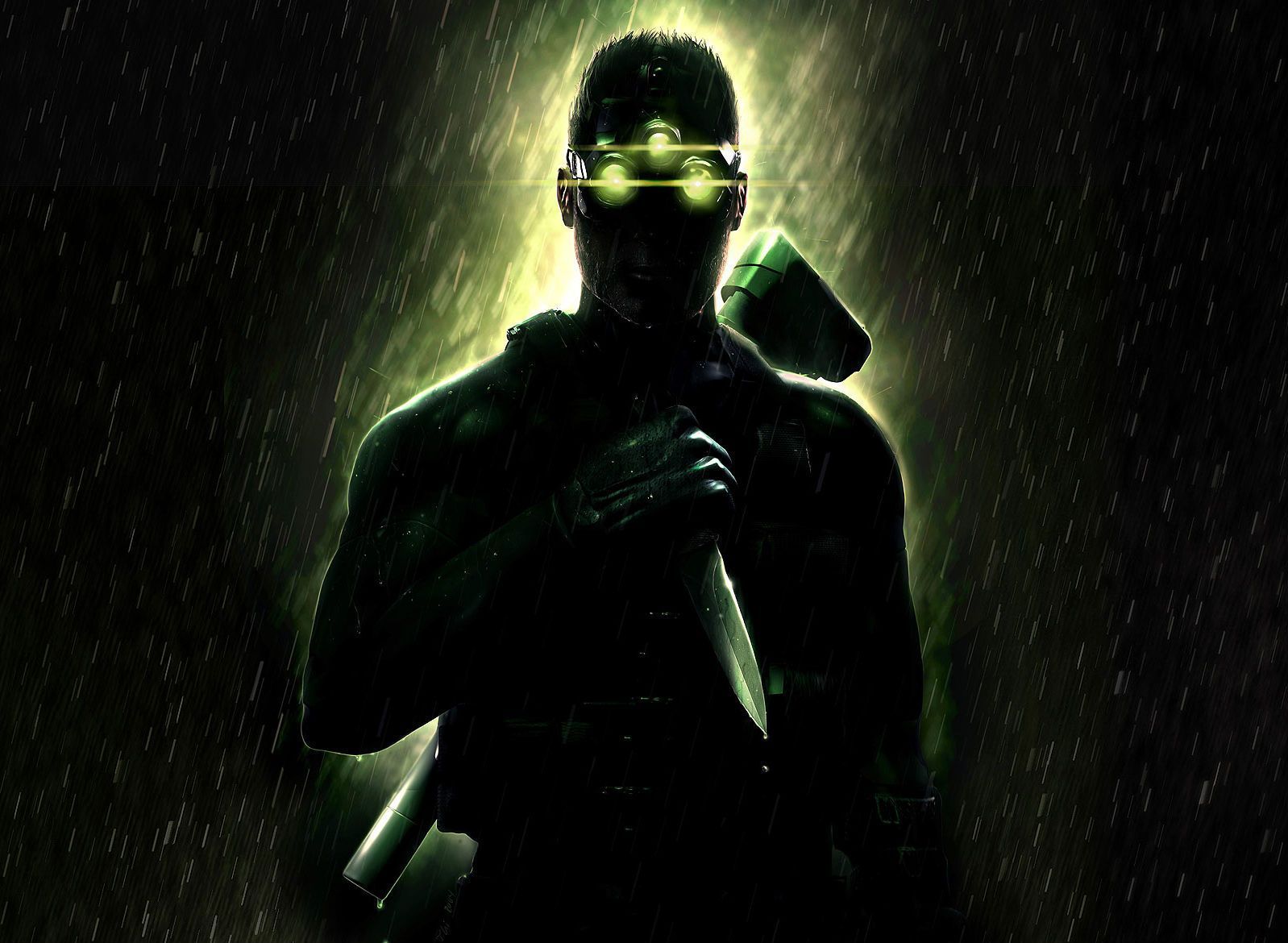
Widely regarded as one of the greatest stealth-action titles ever created, Tom Clancy's Splinter Cell Chaos Theory stands as a high-water mark for the genre. Released in March 2005 by Ubisoft Montreal, this third installment in the franchise refined the series' core mechanics to perfection, earning a prestigious Metacritic score of 92/100. Whether you are navigating through shadows or engaging in high-stakes tactical combat, Chaos Theory offers a masterclass in tension and atmospheric storytelling.
A Masterclass in Stealth and Tactical Gameplay
Unlike its predecessors, which often forced players into a more rigid style of play due to escalating alarm levels, Tom Clancy's Splinter Cell Chaos Theory empowers the player with unprecedented freedom. At the start of each mission, players can choose from various loadouts, including specialized stealth or assault packages—or even "Redding's Recommendation," a balanced selection of gear tailored for the specific level.
The gameplay mechanics revolve around information warfare and precision. Players must utilize a wide array of gadgets and equipment to infiltrate hostile territories, bypass security systems, and neutralize threats. The levels are expertly designed with multiple paths to complete both primary and secondary objectives, providing significant replay value. Whether you prefer the quiet approach of an expert shadow or the aggressive execution of a tactical operative, the game scales to your chosen playstyle.
The Shadow War: Story and Setting
Set in 2007, the narrative places players in the boots of Sam Fisher, a seasoned NSA operative from the elite "Third Echelon" unit. The plot follows Fisher as he travels across the globe, from Peru to various locations in Asia, investigating a web of international conspiracy. The tension rises as Fisher uncovers clues involving the Masse Kernels—weaponized algorithms that threaten to ignite a conflict between Japan, North Korea, South Korea, and China.
While the story functions perfectly as a standalone experience, it serves as a compelling continuation for long-time fans of the series. The game features returning characters like Irving and Anna, and even incorporates a touch of humor into its dialogue, delivered through Michael Ironside’s iconic performance as Sam Fisher.
Key Features and Notable Elements
- Dynamic Playstyles: Choose between stealth-focused or action-oriented equipment loads at the beginning of every mission.
- Expansive Level Design: Larger, more detailed environments than previous entries, offering multiple routes and objectives to encourage exploration.
- Atmospheric Information Warfare: Experience a world of electronic hijacking, stock exchange sabotage, and high-stakes intelligence gathering.
- Tactical Depth: Utilize advanced gadgets and improved AI to navigate complex security landscapes.
Platform Availability and Legacy
Tom Clancy's Splinter Cell Chaos Theory has seen a wide release across multiple generations of hardware. Originally launched for PC and the original Xbox, it also saw releases on platforms including the Nintendo DS (as part of the 3D iterations), and various other consoles like the PlayStation 2 and GameCube. While the official online services were discontinued in 2016, the game's legacy lives on through local network play and dedicated community third-party services.
This title remains a must-play for fans of tactical espionage action, political thrillers, and anyone looking to experience the pinnacle of mid-2000s stealth gaming. If you appreciate deep mechanics, atmospheric tension, and a story that feels grounded in global intrigue, Chaos Theory is an essential addition to your library.