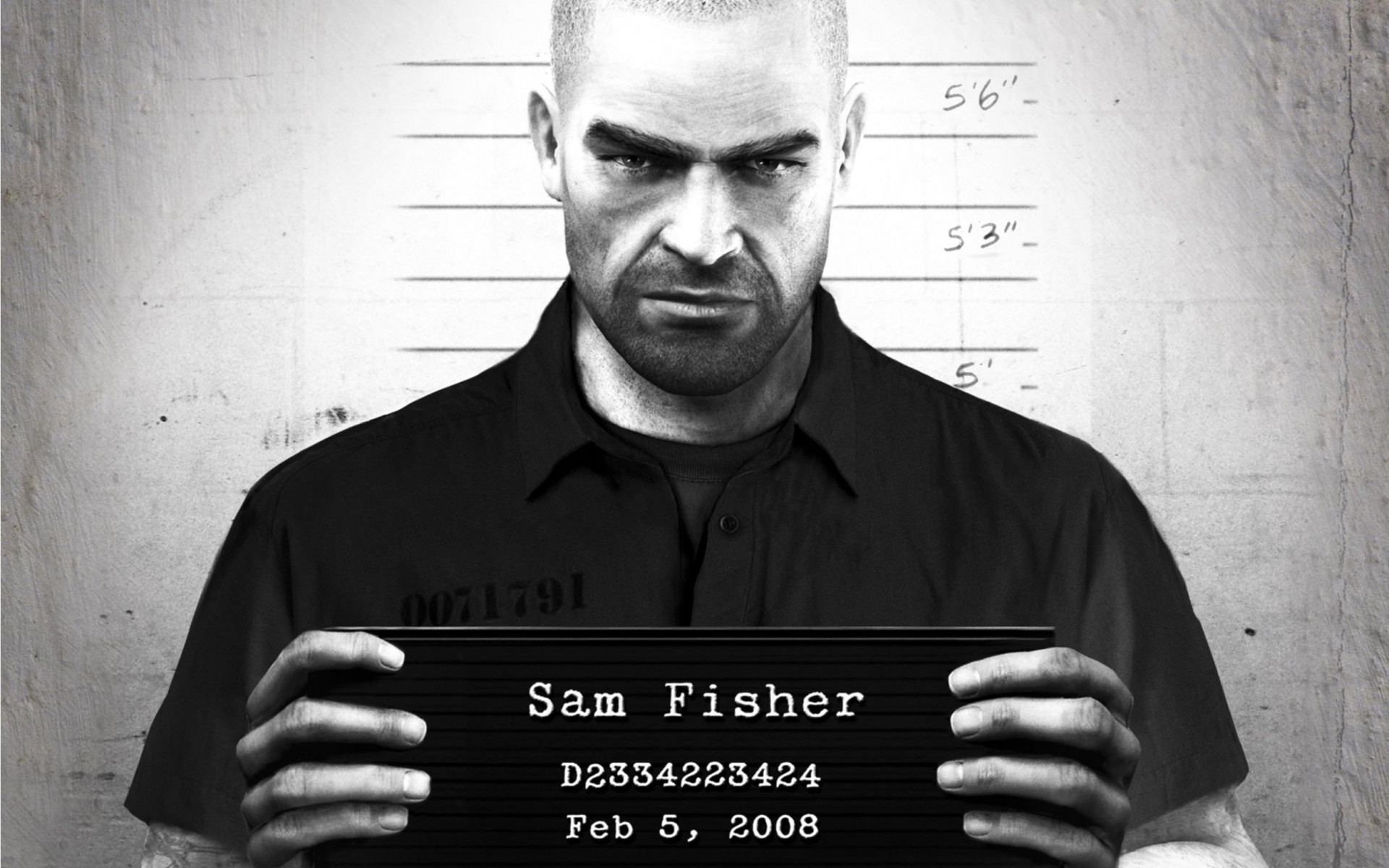
Tom Clancy's Splinter Cell Double Agent represents a bold evolution for the acclaimed stealth-action franchise, challenging players to navigate the grey areas of international espionage. Released in October 2006 for PC, Xbox 360, Xbox, and PlayStation 3, this entry in the series shifts the paradigm by allowing gamers to step into the shoes of a double agent for the first time. Tasked with infiltrating a vicious terrorist organization from the inside, players must balance the duties of a covert operative with the actions of a ruthless terrorist to maintain their cover. With a Metacritic score of 80.00, the game has established itself as a significant title in the genre, offering a narrative and mechanical experience defined by moral ambiguity and high stakes.
Gameplay Mechanics and Dual Roles
The core innovation of Tom Clancy's Splinter Cell Double Agent lies in its "Double Agent" gameplay loop. Unlike previous entries where the objective was strictly to avoid detection, this title requires players to engage in a delicate balancing act. You must perform tasks that satisfy both your NSA handlers and your terrorist handlers, known as John Brown's Army (JBA). Your actions directly influence your reputation with both factions, determining the course of the story and leading to shockingly different endings.
The gameplay involves a mix of stealth, combat, and environmental interaction. Players are equipped with upgradeable weapons and gadgets that evolve based on their choices and covert skills. For example, successfully completing missions can grant access to prototype technologies, such as improved night vision. The game emphasizes authentic double agent tactics, encouraging players to use realistic methods to sabotage enemy plans, evade authorities, and gather intelligence. The tension is relentless, forcing players to decide whom to betray and whom to protect in the heat of the moment.
Story and Global Setting
The narrative follows the saga's protagonist, Sam Fisher, a highly trained operative for the NSA initiative called Third Echelon. Following the death of his daughter, Fisher is offered a chance to re-focus by his handler, Irving Lambert. He is sent undercover to infiltrate JBA, a group intent on destroying or changing the United States government through strikes across the nation.
The game takes players on a tour of international espionage, moving from exotic locations to the heart of American cities. The campaign includes missions set in Shanghai and Cozumel, before escalating to threats against New York City and Los Angeles. The environments are designed to be immersive and hostile, featuring extreme situations such as conducting missions underwater amidst churning ice floes, navigating blinding sandstorms, or operating in heavy dust and smoke.
Notable Features
- Branching Storylines: The narrative is non-linear in its outcome, with player decisions determining the final result of the mission.
- Dynamic Reputation System: Your standing with both the NSA and the terrorists fluctuates constantly, affecting available dialogue and mission options.
- Authentic Tactics: The game utilizes realistic undercover strategies based on testimonies from actual agents.
- Atmospheric Environments: Players must adapt to extreme weather and physical conditions that impact visibility and movement.
- Multiple Endings: Depending on how you balance the conflicting objectives of your two allegiances, the story concludes in various ways.
Platform Availability and Versions
While the game was released on major consoles and PC, history notes that there are distinct versions of the title. Version 1, developed by Ubisoft Milan and Ubisoft Shanghai, is the version available on PC, Xbox 360, and PlayStation 3. A separate Version 2 was developed by Ubisoft Montreal for the original Xbox, PlayStation 2, GameCube, and Wii. The PC version of Version 1 is the primary focus for modern players, though it has been noted for technical issues in the past. Despite these technical variances, the core experience remains a cinematic action-adventure epic.
Who Is This Game For?
Tom Clancy's Splinter Cell Double Agent appeals primarily to fans of the stealth genre who enjoy complex narratives and moral dilemmas. It is ideal for players who appreciate the "Tom Clancy" aesthetic of realistic military and espionage scenarios. Gamers who have followed the saga since the beginning will find the return of Sam Fisher and the deepened lore satisfying, while newcomers may find the unique "spy vs. terrorist" mechanic a fresh and engaging twist on the action genre.