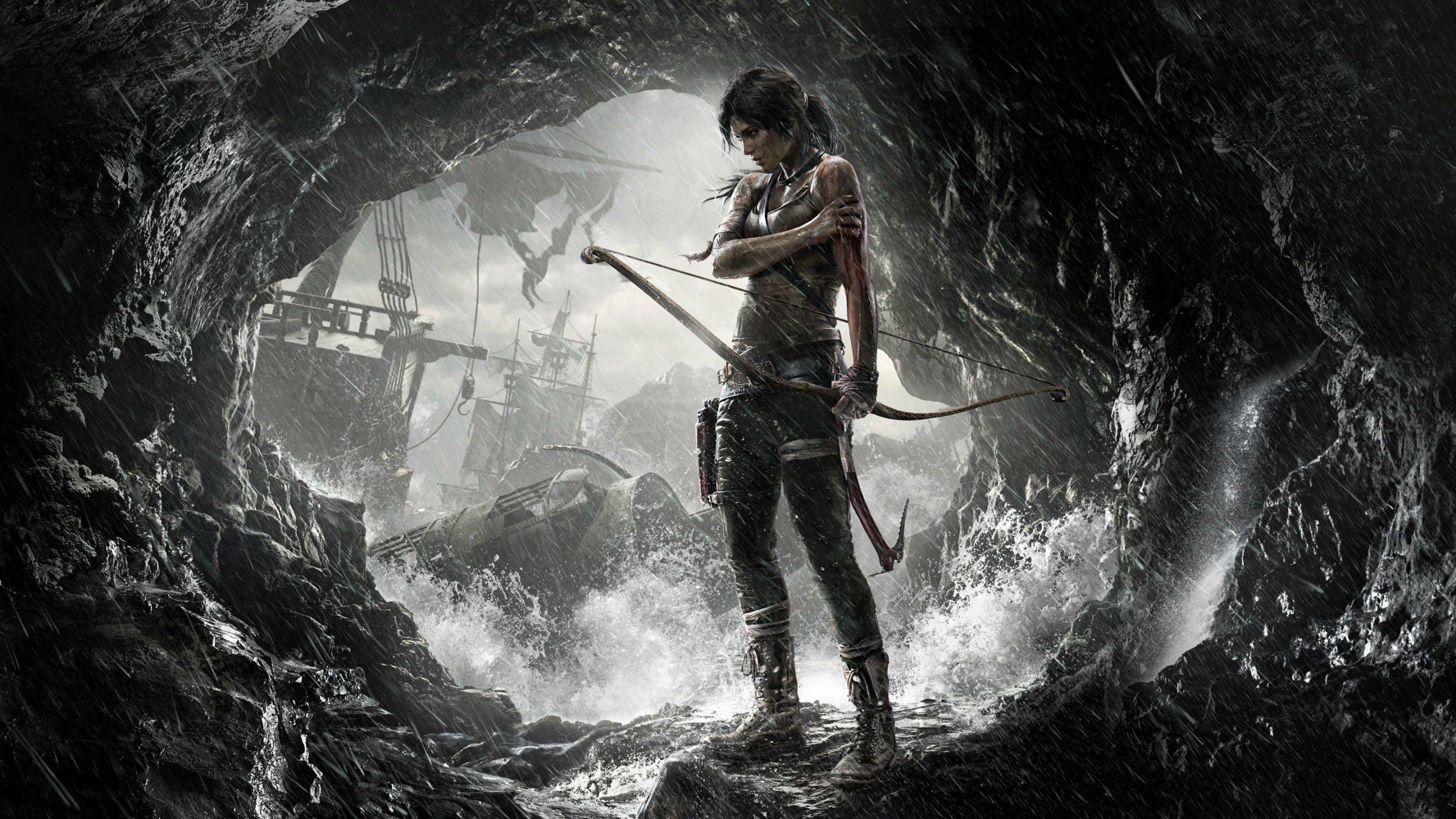
Tomb Raider (2013) stands as a definitive cinematic revival of the legendary franchise, reinventing Lara Croft for a modern generation. Released on March 5, 2013, this action title serves as the origin story for the iconic archaeologist, shifting focus from the experienced adventurer to a young, untested Lara Croft during her first expedition. By blending intense survival mechanics with classic exploration, the game sets a new standard for the series while delivering a gritty, emotional narrative that redefines the character's legacy.
The Origin of a Survivor: Story and Setting
The narrative places players in the shoes of a young, recent graduate archaeologist leading an expedition to find the lost kingdom of Yamatai. The journey takes a harrowing turn when a violent storm in the treacherous Dragon's Triangle forces the crew to crash-land on a hostile, isolated island. Stranded and separated from her colleagues, including Dr. James Whitman, Lara must rely on her wits and newfound resilience to survive.
Set against the backdrop of a forgotten world, the story is driven by Lara's transformation from a vulnerable novice to a hardened survivor. The game delves deep into her character development, exploring her background and the psychological shift required to face the cultists of the Solarii Brotherhood who inhabit the island. With a richly written script by Rhianna Pratchett, the campaign offers a compelling origin story that grounds the fantastical elements in Lara's personal struggle and growth.
Gameplay Mechanics and Survival Action
Tomb Raider (2013) is an action third-person experience heavily influenced by cinematic adventure games, focusing on a balance of stealth, exploration, and visceral combat. Players must navigate diverse environments, gathering resources and upgrading weapons to overcome increasingly difficult challenges. The game incorporates RPG elements, allowing Lara to adapt her loadout and skills as she progresses through the campaign.
The gameplay emphasizes survival, often requiring players to engage in quick-time events (QTEs) to escape perilous situations. These sequences are designed to be intense and occasionally graphic, reinforcing the stakes of Lara's struggle against the island's dangers. The combat system encourages tactical approaches, enabling players to use the environment to their advantage while hunting hostile factions and cultists. Exploration is key, with a world that rewards curiosity and offers both narrative depth and gameplay variety.
Platform Availability and Multiplayer Features
Tomb Raider (2013) is available across a wide range of platforms, ensuring accessibility for a broad audience. The game can be played on PC, macOS, Xbox 360, and PlayStation 3, bringing the rebooted experience to both console and personal computer users.
Multiplayer Overview
- Competitive Modes: Two teams of four clash in three distinct game modes.
- Asymmetric Gameplay: Players control either "Survivors" or "Scavengers," utilizing weapons and environmental features from the single-player campaign.
- Platform Support: Available on PC, macOS, Xbox 360, and PlayStation 3.
Notable Features and Target Audience
This title appeals to fans of character-driven action adventures and those interested in reimagining classic franchises. It is particularly suited for players who appreciate a strong emotional narrative, deep character arcs, and gameplay that balances stealth with intense action sequences. The reboot's focus on Lara's vulnerability and growth makes it accessible to newcomers while offering a fresh perspective for long-time series enthusiasts.
Notable features include the game's cinematic presentation, the evolution of Lara Croft's character design and personality, and the seamless integration of exploration with survival mechanics. The inclusion of a robust multiplayer mode extends the replayability, offering a competitive counterpoint to the emotional single-player campaign. With a Metacritic score of 86.00, the game has been recognized for its successful reinvention and high production values.