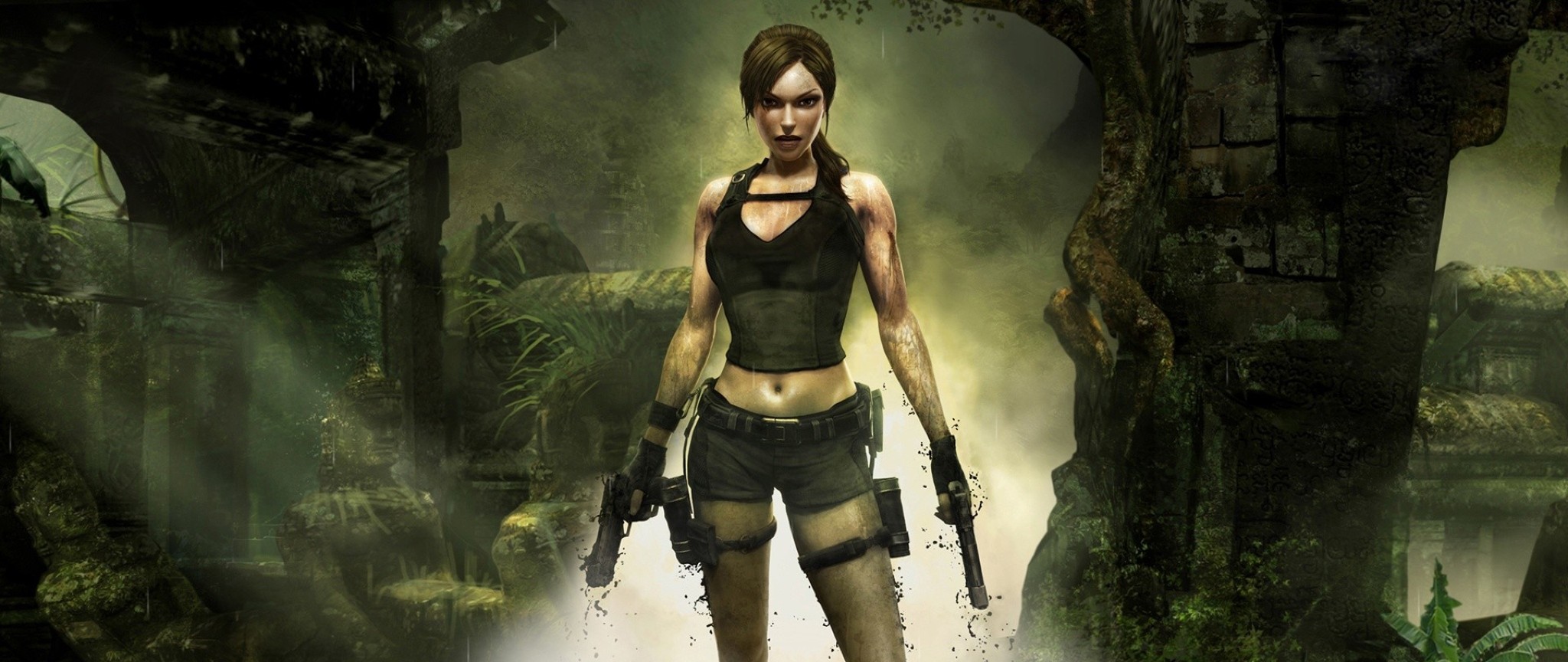
Tomb Raider: Underworld is an action-adventure game developed by Crystal Dynamics and serves as the eighth installment in the series. Released on November 18, 2008, it is a direct sequel to Tomb Raider: Legend and Tomb Raider: Anniversary. The game is available on PC, Nintendo DS, macOS, Xbox 360, and PlayStation 3. It has been well-received by critics, holding a Metacritic score of 80.00.
Gameplay Mechanics and Genre
Tomb Raider: Underworld is played from a third-person perspective and focuses heavily on platforming, puzzle-solving, and action. The gameplay emphasizes Lara Croft's superhuman abilities, allowing her to perform reality-defying acrobatics. Players must climb, wall jump, balance on columns, swing from ropes, and drag towering structures with her bare hands. The game features a dynamic animation system that enhances character interaction with the world, ensuring that every movement feels purposeful and fluid.
Interactive World and Puzzles
A standout feature of the game is its highly interactive environment. Lara leaves footprints in the snow, and mud sticks to her legs if she kneels, which can be washed away later by rain. The damage done to the environment is permanent, and enemies' bodies do not disappear after defeat. To progress, players must solve multiple mini-puzzles scattered across levels. These puzzles often involve ancient death machines that run on elaborate systems of gears and pulleys. While the game is non-linear to some degree, the core experience revolves around exploring ruins and manipulating these complex mechanisms to unlock secrets.
Combat and Movement
Combat in Tomb Raider: Underworld allows for both stealth and direct engagement. While the game includes stealth elements, the action is fast-paced, and players often find success by directly confronting enemies. The game challenges players to utilize Lara's full range of motion, ensuring that the gameplay feels dynamic and engaging.
Story and Setting
The narrative of Tomb Raider: Underworld continues the saga established in previous titles, drawing heavily upon ancient Scandinavian legends. Lara embarks on a quest to unravel the secrets of Avalon, a mythical place where her mother disappeared years ago. As she delves deeper into the mystery, she discovers that her father was on the same quest. The plot revolves around ancient Scandinavian artifacts, such as Thor's Gauntlet and his hammer, which serve as both story elements and gameplay tools. The setting is rich with Viking themes and ancient mythology, as Lara explores jungles and ruins to uncover the nature of these artifacts. While the story flows nicely, there remains a sense of mystery regarding the source of the artifacts, leaving players to speculate on their true nature, with some suggesting they may be of alien origin.
Platforms and Release
Tomb Raider: Underworld was released for PC, Nintendo DS, macOS, Xbox 360, and PlayStation 3. This multi-platform release allowed a broad audience to experience the game's blend of exploration and action.
Visuals and Audio
The game features impressive graphics, particularly in its jungle settings, which were praised for their visual fidelity. The atmosphere is further enhanced by a symphonic score featuring epic choral arrangements, adding to the epic nature of the adventure.
Who It Appeals To
This title appeals to fans of the Tomb Raider series, particularly those who enjoyed the reboot timeline. It is ideal for players who appreciate a blend of platforming, puzzle-solving, and action. Fans of Vikings, Scandinavian mythology, and ancient history will find the setting and lore compelling. Additionally, players who enjoy "reality-defying" acrobatics and exploring intricate, interactive worlds will find much to enjoy here. The game offers a substantial adventure for those willing to engage with its mechanical systems and narrative mysteries.