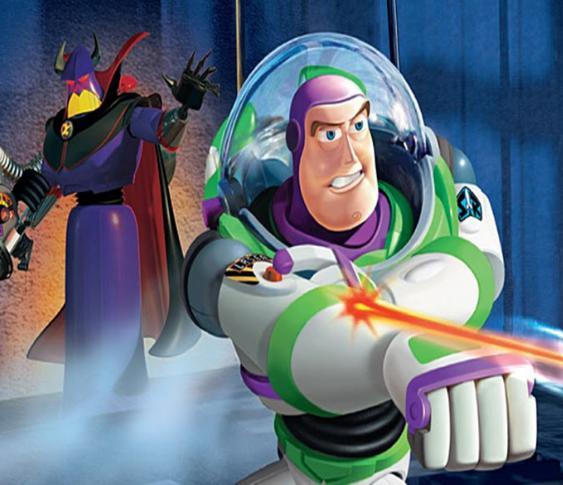
Relive the Adventure in Toy Story 2: Buzz Lightyear to the Rescue
Released in late 1999, Toy Story 2: Buzz Lightyear to the Rescue serves as a 3D expansion of the beloved Pixar cinematic universe. Developed by Traveler's Tales—the same studio later renowned for their iconic Lego series—this title moved away from the 2D side-scrolling roots of its predecessor to embrace the burgeoning 3D platforming era. As a direct sequel to the first Toy Story video game, it brings players into a dynamic world designed to mirror the magic and excitement of the animated film.
A High-Stakes Quest Through a 3D World
The narrative follows the plot of the second movie closely. Players find themselves thrust into a suspenseful mission to rescue Woody, who has been kidnapped. Navigating through faithfully recreated settings from the film, players take control of Buzz Lightyear as he leads an ensemble cast—including Rex, Slinky Dog, and Hamm—on a quest to thwart Zurg and his army of robots. The game effectively translates the movie's stakes into an interactive experience, placing the player right in the middle of the action.
Gameplay Mechanics and Collectathon Elements
At its core, Toy Story 2: Buzz Lightyear to the Rescue is a third-person "collectathon" platformer. Drawing inspiration from groundbreaking titles like Super Mario 64, the gameplay focuses on exploration and objective completion. Players navigate through various levels, utilizing a move set that includes climbing, double jumping, and a signature spin attack.
Key gameplay features include:
- Objective-Based Levels: Each level typically presents multiple goals, such as defeating bosses, collecting coins for Hamm, solving puzzles, or completing time trials.
- Pizza Planet Tokens: Much like stars in a Mario title, completing objectives rewards the player with Pizza Planet tokens, which are essential for progression.
- Combat and Arsenal: Buzz utilizes his iconic laser to defeat enemies. Players can even find green sticks to modify the laser's ammo or fire rate. A lock-on mechanic allows for precision targeting in first-person view.
- Resource Management: Health is represented by a battery meter; players must locate batteries throughout the levels to replenish their strength.
- Power-ups: Finding specific items, such as Mr. Potato Head’s missing parts, can grant Buzz much-needed upgrades.
Platform Availability and Legacy
The game saw a wide release across several major consoles during the late 90s and early 2000s. While notable versions were released for the Nintendo 64, PlayStation, and Dreamcast, a different version was also available for the Game Boy Color. For those playing on modern hardware, the title was later re-released as a PSOne Classic for the PlayStation 3 and PlayStation Vita.
This title appeals strongly to fans of classic 3D platformers and collectors of nostalgic licensed titles. While critics noted it had some "rusty" elements common to licensed games of its era, the high-quality voice acting—featuring reprises from Tim Allen and John Ratzenberger—and the polished level design make it a standout entry for those seeking a nostalgic trip through Andy's room.