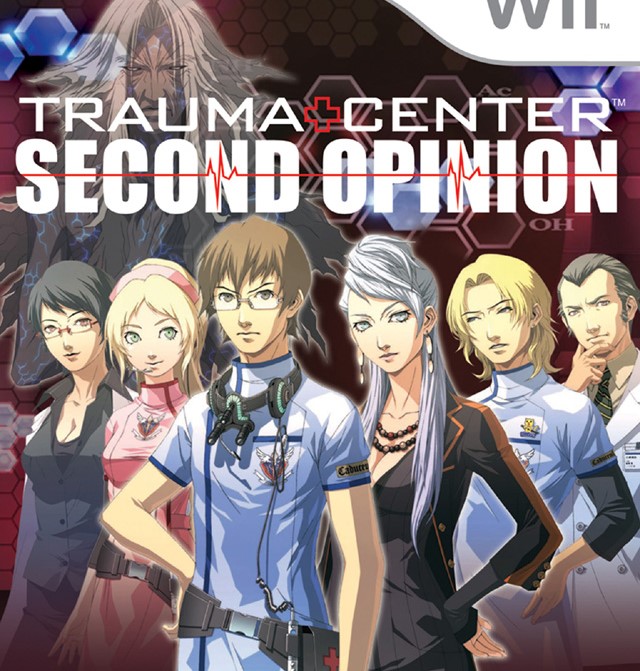
Experience the high-stakes intensity of the operating room in Trauma Center: Second Opinion, a gripping simulation title that brings surgical precision to the Wii. Far more than a simple port of the Nintendo DS classic, Trauma Center: Under the Knife, this "Wii-make" serves as an expanded remake that leverages motion controls to deliver a tense, immersive medical drama.
A New Vision for Surgical Simulation
Set in a near future where medical science has unlocked the ability to cure previously incurable diseases, the game features a stylized, glossy art direction that sets it apart from its predecessor. The story follows the journey of young surgeon Derek Stiles as he utilizes his mystical "Healing Touch" to combat a terrifying new threat known as GUILT. To expand the narrative scope, players also step into the shoes of Naomi Kimishima, another doctor gifted with the same supernatural surgical ability.
The gameplay is a unique hybrid, blending high-pressure surgical simulation with non-interactive visual novel segments. These story sequences utilize character portraits, text boxes, and dramatic voice acting to heighten the tension during critical medical emergencies. As you navigate through these narrative beats, the stakes escalate, pulling players into a series of increasingly complex medical crises.
Mastering the Wii Remote
The defining feature of Trauma Center: Second Opinion is its redesigned control system, which takes full advantage of the Wii Remote. By replacing the stylus with motion controls and implementing a radial menu for surgical tools via the Nunchuk, the game streamlines the surgical process. This new interface eliminates the need to rush to the edges of the screen to swap instruments, allowing for a much smoother gameplay flow.
While the transition to motion controls changes the tactile feel of the surgery, it introduces several key mechanical improvements:
- Expanded Operations: In addition to classic extractions and wound treatments, players must master new procedures, including organ transplants and repairing broken bones.
- Dynamic Difficulty: Players can choose between Easy, Medium, and Hard modes. Higher difficulties feature faster-dropping vitals and more punishing consequences for mistakes.
- Improved Scoring: A revamped scoring system rewards players for maintaining "combos" of well-performed actions and explicitly tracks bonuses for preventing complications like bursting diverticula.
- New Ranks: Elite surgeons playing on Hard difficulty can strive for the prestigious "XS – Medical Prodigy" rank, a feat not present in the original DS title.
Who is this game for?
Trauma Center: Second Opinion appeals to fans of simulation and strategy games who enjoy high-pressure, skill-based gameplay. It is an ideal choice for players looking for an inventive use of the Wii hardware and those who enjoy narrative-driven experiences that blend action with storytelling. Whether you are a casual player seeking a more accessible experience through the Easy mode or a hardcore gamer hunting for the "Medical Prodigy" rank, this title offers a deep, engaging challenge.