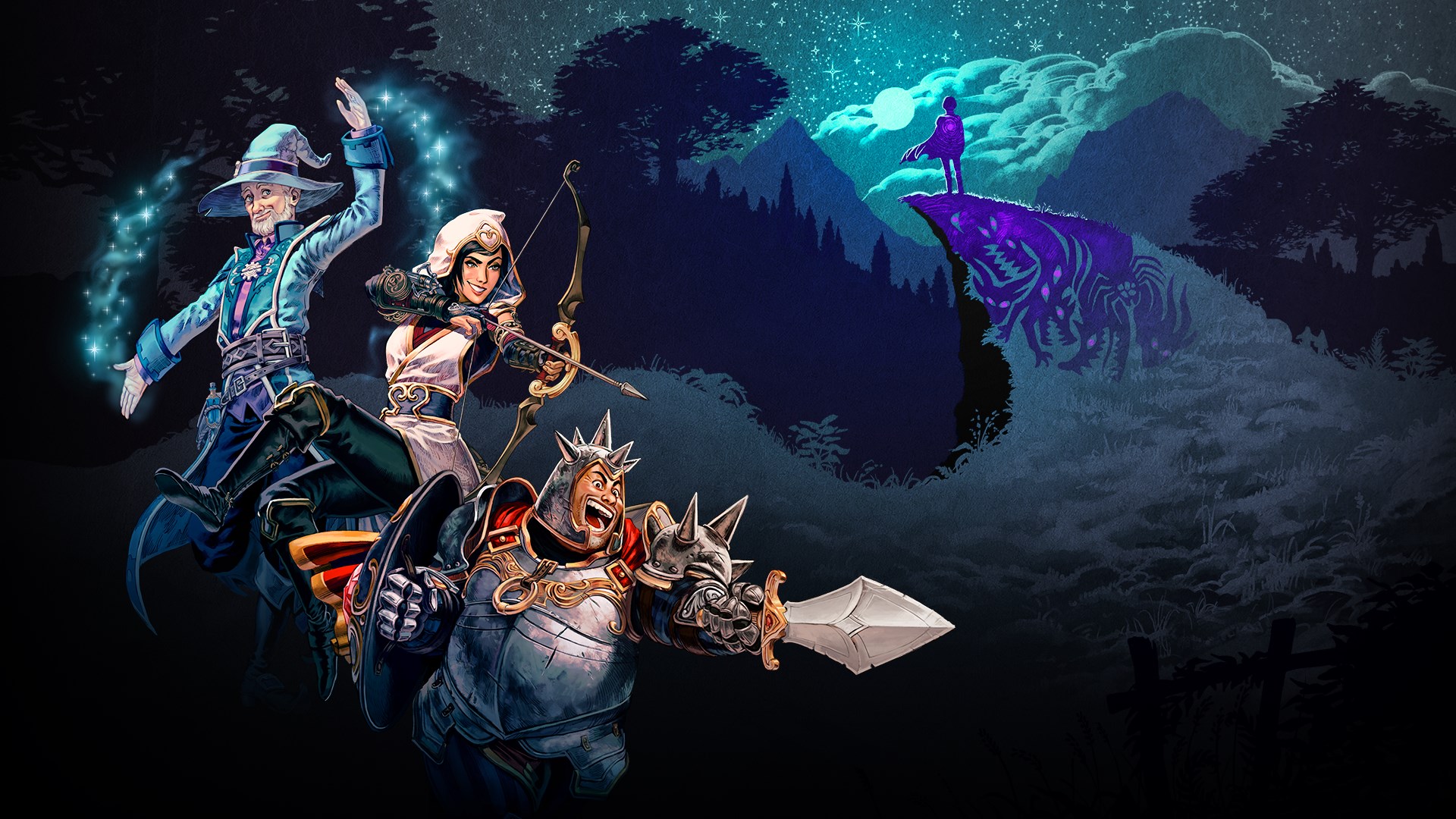
Trine 4: The Nightmare Prince marks a significant return to form for the beloved adventure series, delivering a polished 2.5D platforming experience that balances intricate puzzle-solving with dynamic action. Released by developer Frozenbyte in October 2019, this installment invites players back into a world of fairytale wonder, where three iconic heroes are tasked with a perilous quest. The game is available across PC, Xbox One, PlayStation 4, and Nintendo Switch, ensuring that a wide audience can access its enchanting landscapes and cooperative gameplay.
Story and Setting
The narrative of Trine 4: The Nightmare Prince centers on the trio of Amadeus the Wizard, Pontius the Knight, and Zoya the Thief. The group is reunited to save the troubled young Prince Selius, who has been plagued by dark nightmares since childhood. Due to his magical talents, these nightmares manifest as horrible monsters that slip into the waking world, wreaking havoc on the realm. The heroes must journey through fantastical environments to find the prince and help him regain control before the Nightmare Prince’s shadows engulf the world. While the story serves as a vehicle for the adventure, it sets the stage for the visually stunning and varied levels that players will explore.Gameplay Mechanics and 2.5D Design
Following the departure from 2.5D in the previous entry, Trine 4 embraces the series’ roots, offering gorgeous, hand-painted 2.5D landscapes. Players traverse breathtaking ruins, haunted tombs, tranquil birch groves, and even candy-like environments. The gameplay revolves around platforming puzzles that require the unique abilities of each character. Amadeus can conjure boxes and shapes to create paths, Zoya utilizes a grappling hook, bow, and elemental arrows for traversal and combat, and Pontius acts as a wrecking ball, capable of destroying enemies and obstacles with his heavy hammer.In solo mode, players can switch between these characters on the fly, allowing for flexible problem-solving. If one character falls, the player respawns as another, maintaining momentum. The game also introduces a revamped combat system, featuring boss fights and skirmishes against nightmarish foes that require strategic use of the heroes' skills. Dynamic puzzle-solving elements include fire, air, light, magnets, and electricity, with challenges often tailored to the number of players involved.
Multiplayer and Character Progression
One of the standout features of Trine 4: The Nightmare Prince is its robust multiplayer support. The game allows for both local and online co-op, supporting up to four players online—a first for the series. Two distinct modes cater to different playstyles: Classic Mode assigns each of the three players to a specific hero, preserving the traditional team dynamic, while Unlimited Mode allows all players to switch between any character at any time. This flexibility can lead to chaotic and humorous situations, such as multiple players controlling Amadeus to create an array of boxes simultaneously.Progression is handled through abundant skill trees. As players collect bonus points in the form of glowing bottles throughout the levels, they unlock diverse abilities and new skills for each hero. This system encourages experimentation and enhances replayability, as players can optimize their characters for different puzzle solutions or combat scenarios.