Vanguard: Saga of Heroes Overview
Released on January 30, 2007, Vanguard: Saga of Heroes stands as a distinctive entry in the PC massively multiplayer online RPG landscape. Developed by Sigil Games—a studio founded by EverQuest veterans Brad McQuaid and Jeff Butler—the title deliberately returns to the gritty, group-dependent roots of early MMOs. Set in the sprawling world of Telon, the game challenges players to navigate a fractured landscape where ancient magics are resurfacing and kingdoms lie in ruins. With a Metacritic score of 68.00 reflecting its mixed reception, Vanguard offers a deeply rewarding but technically rough experience tailored for veterans of the genre.
Story and Setting
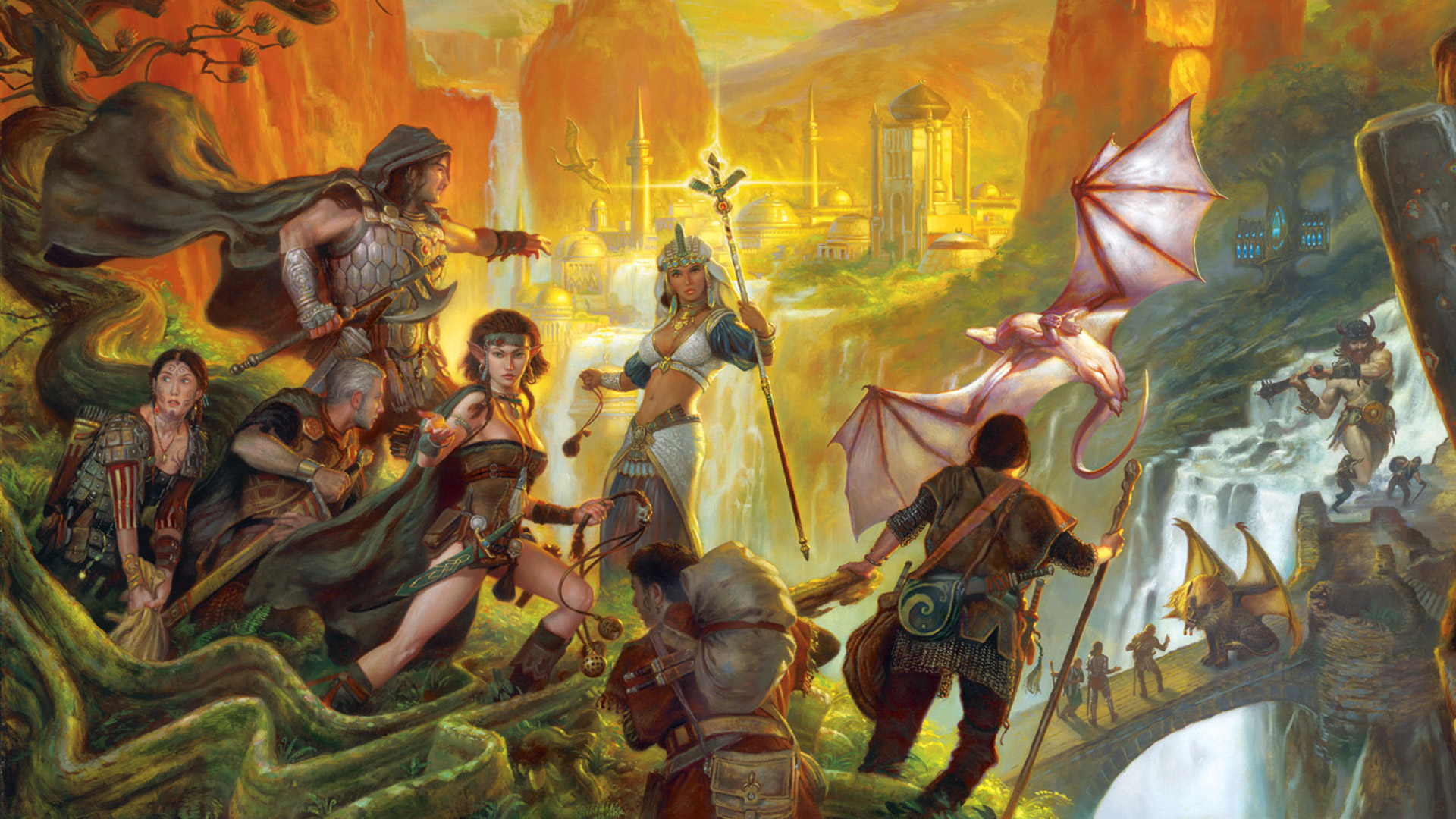
The game unfolds across Telon, a vast continent often described as a land of a thousand kingdoms. The world has been scarred by relentless warfare and the slow decay of once-great civilizations. As societies struggle to rebuild, dormant and age-old magical forces are reawakening, threatening to plunge the realm back into chaos. Players step into this desperate era as one of the few capable of standing against the encroaching threat. The narrative emphasizes player agency and world exploration, encouraging adventurers to stake their claim in a world that feels perpetually on the brink of collapse. Rather than a linear campaign, the story emerges through the collective efforts of the community, quests, and the ever-present danger of the untamed wilderness.
Genre and Gameplay Mechanics
Vanguard: Saga of Heroes firmly anchors itself in the traditional MMORPG genre, but with a heavy emphasis on cooperative play. Unlike many contemporaries that prioritize solo progression, this title is fundamentally designed for parties. Consistent soloing is notoriously difficult, and most content expects coordinated group efforts. The game eschews instanced quests entirely, meaning players must camp for bosses alongside others, fostering a persistent, shared world experience. Combat and progression are supported by a complex crafting system and a diplomatic mechanic that allows players to interact with and influence non-player factions in unique ways. While the initial tutorial quests provide a necessary bridge for newcomers, the core gameplay loop demands patience, strategic party composition, and resilience in the face of frequent technical hiccups.
Notable Features
- Extensive Character Customization: Players can choose from twenty races divided into three distinct cultural groups, paired with fifteen unique classes ranging from Paladin and Druid to Dreadknight and Psionicist.
- Diplomacy System: One of the game's most innovative mechanics, allowing players to communicate, negotiate, and build relationships with non-player characters and factions in ways rarely seen in MMOs.
- Unbounded World Design: The game eliminates hard zone lines, creating a seamless transition between areas. However, this design choice can lead to performance pauses, or chunking, as new zone data loads in the background.
- Community-Driven Progression: The lack of instancing means that dungeon bosses, rare spawns, and major quest objectives are shared across the server, encouraging both competition and cooperation among players.
Who It Appeals To
Vanguard: Saga of Heroes is not designed for players seeking a polished, accessible, or solo-centric experience. Instead, it caters specifically to veteran MMORPG enthusiasts who appreciate the challenge, depth, and social dynamics of early online role-playing games. Those who enjoy complex crafting, strategic group coordination, and a world that feels alive and unscripted will find the gameplay loop highly engaging. While the launch state was undeniably rough, featuring bugs and performance inconsistencies that required frequent patching, the underlying design offers a nostalgic yet ambitious take on the genre. It remains a compelling choice for players willing to overlook technical growing pains in exchange for a genuinely cooperative and expansive fantasy world.