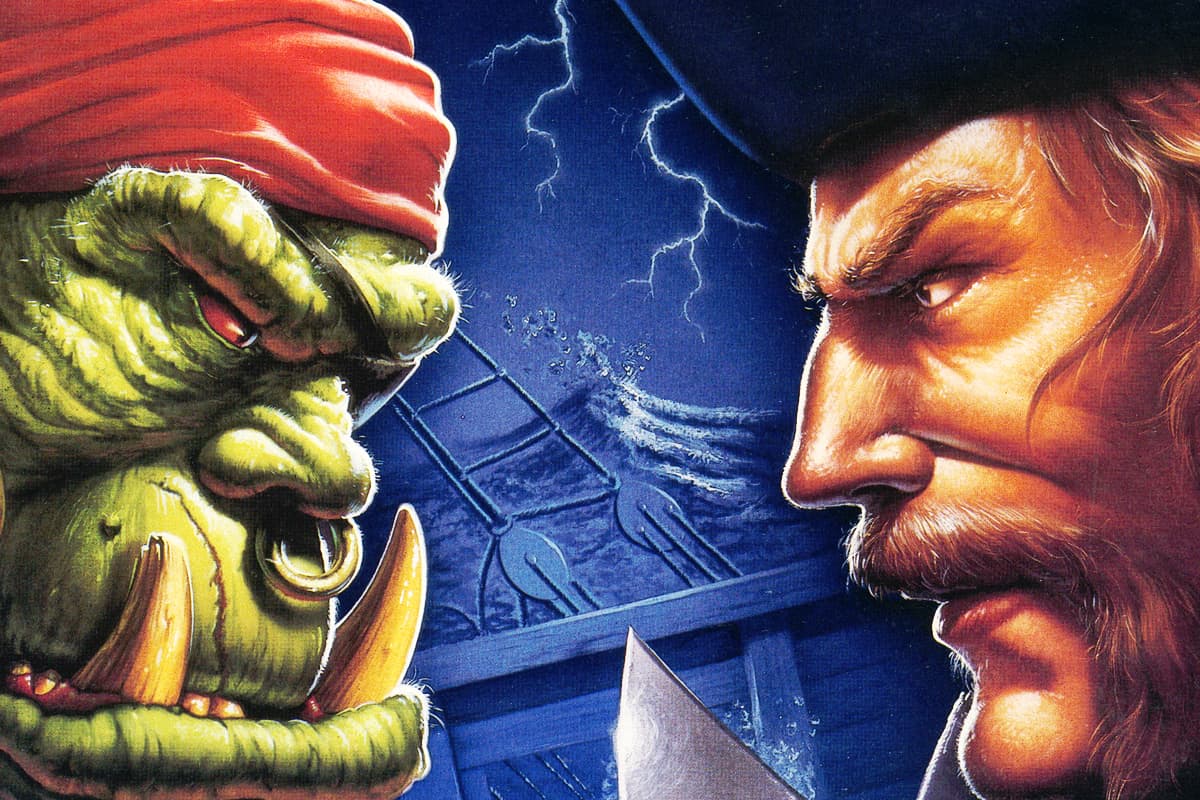
Released in late 1995, Warcraft II: Tides of Darkness stands as a monumental achievement in the real-time strategy (RTS) genre. Developed by Blizzard Entertainment, this sequel to Warcraft: Orcs & Humans expanded the boundaries of fantasy warfare, introducing deeper mechanics, expanded combat theaters, and a rich narrative that helped establish the Warcraft universe as a cornerstone of gaming history. A massive commercial success, the title earned numerous major PC gaming awards in 1996 and has sold millions of copies worldwide.
Mastering the Battlefield: Gameplay and Mechanics
At its core, Warcraft II: Tides of Darkness is a high-stakes fantasy RTS where players must manage resources, construct strategic infrastructure, and command armies to crush their opponents. Unlike its predecessor, which was largely landlocked, this sequel introduces naval warfare, allowing for combat across land, air, and sea via flying vessels and seafaring crafts.
The gameplay loop revolves around meticulous resource management. Players must gather three essential resources—gold, lumber, and oil—to fuel their war machine. Progress is driven by a technological tree; constructing advanced buildings and conducting research allows players to produce more powerful units. The scale of engagement has also increased, with the ability to command larger groups of units simultaneously, making massive, large-scale battles much more viable.
One of the most significant mechanical innovations in this title is the implementation of the "fog of war." This system shrouds unexplored territory in total darkness, forcing players to actively scout the map. While explored terrain remains visible in gray tones, enemy movements are hidden unless they fall within the visual radius of a friendly unit. This mechanic eliminates predictable "kamikaze" scouting strategies and demands constant tactical awareness.
Epic Conflict: The Story and Setting
The battle for Azeroth intensifies in this chapter of the Warcraft saga. Players choose between two iconic coalitions: a human-led alliance featuring humans, elves, gnomes, and dwarves, or a monstrous horde dominated by orcs, alongside trolls, ogres, and goblins. Each faction brings its own unique personality, units, and buildings to the fray.
Beyond the strategic depth, the game is celebrated for its incredible presentation and characterization. The use of highly-detailed SVGA graphics and a bombastic soundtrack creates a regal, immersive atmosphere. Furthermore, Blizzard infused the game with much-needed humor; players may find themselves amused by witty, "Shakespearean" dialogue from their troops during the heat of combat, adding a layer of charm to the grim reality of war.
Key Features of Warcraft II
- Expanded Combat Frontiers: Engage in multi-domain warfare involving ground troops, flying vessels, and naval fleets.
- Advanced Resource Management: Strategically collect gold, wood, and oil to sustain your empire and research new technologies.
- Dynamic Fog of War: Navigate a shroud of darkness that rewards scouting and punishes lack of intelligence.
- Rich Faction Depth: Command diverse armies ranging from human knights and mages to orcish warriors and trolls.
- Enhanced Scale: Manage larger-scale battles with improved unit selection and advanced artificial intelligence.
Platform Availability and Legacy
Originally released for MS-DOS and Mac OS, the game's legacy was further cemented by various iterations. The 1999 Battle.net Edition brought the game to Windows with integrated online multiplayer support. For those playing on consoles, the Warcraft II: The Dark Saga compilation brought the experience to the Sony PlayStation and Sega Saturn. Whether you are a fan of classic pixel art or a veteran looking to revisit the roots of modern RTS gaming, Warcraft II: Tides of Darkness remains an essential title for any strategy enthusiast.