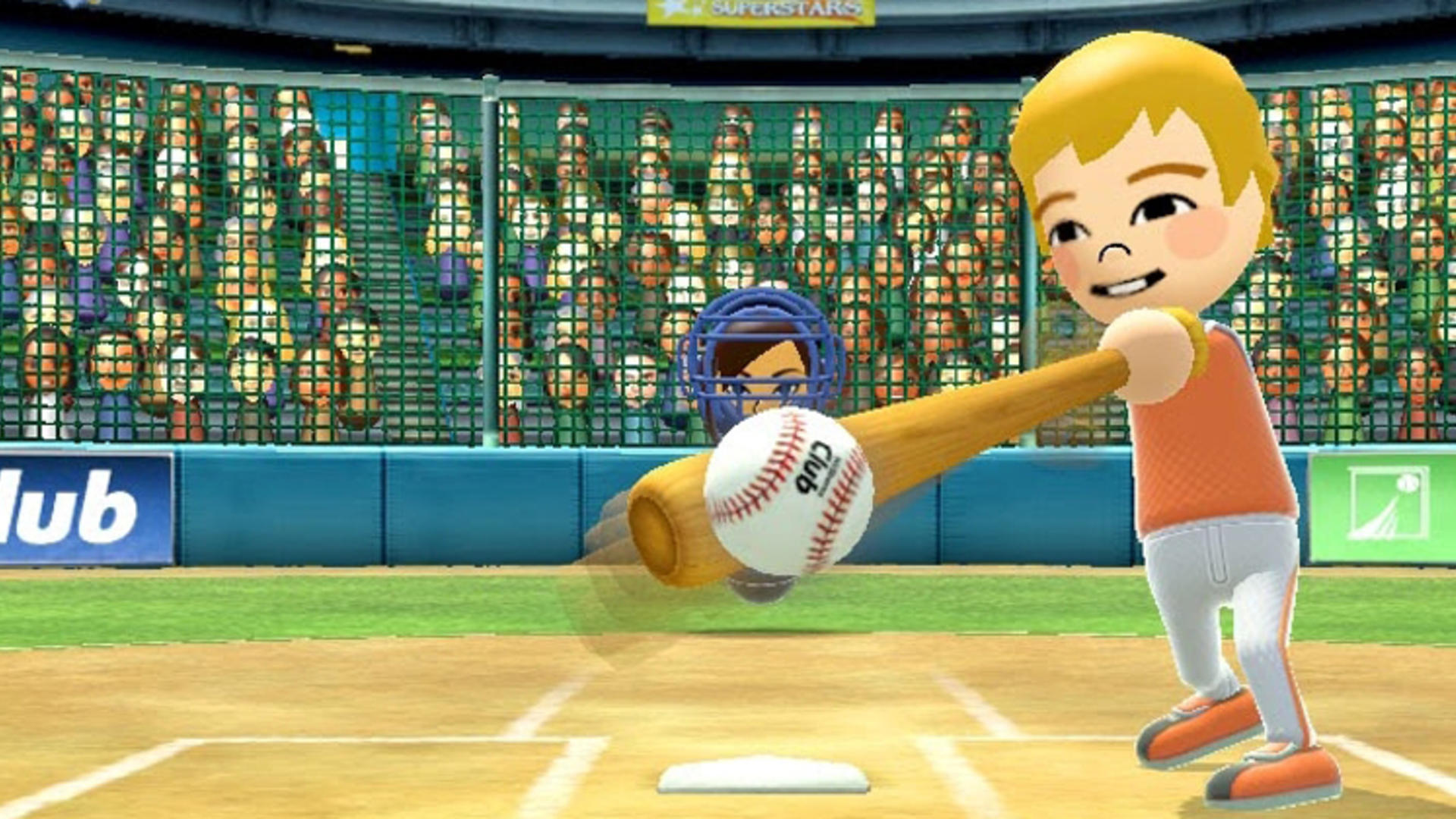
Wii Sports stands as a landmark title in the history of interactive entertainment, released on November 19, 2006, for the Nintendo Wii. Developed by Nintendo Entertainment Analysis & Development (Nintendo EAD) and published by Nintendo, this sports compilation redefined how players interact with digital games by leveraging the system's innovative motion-sensing capabilities. As the first pack-in game shipped with a Nintendo console since Mario's Tennis on the Virtual Boy in 1995, Wii Sports brought millions of new players into the gaming fold by focusing on intuitive controls and broad accessibility.
Gameplay and Mechanics
The core of Wii Sports lies in its five distinct sports experiences: Tennis, Baseball, Bowling, Golf, and Boxing. Each title utilizes the Wii Remote to mimic real-world actions, allowing players to swing a racket, pitch a ball, or throw a punch with natural, intuitive gestures. The Wii Remote detects tilting, spinning, and 3D positioning to translate player movements into on-screen actions. Boxing is unique in requiring the Nunchuk attachment for two-handed control, adding depth to the combat mechanics. The games strip away complex button combinations, focusing instead on physical movement that anyone can grasp immediately.
- Five Sports: Players can compete in Tennis, Baseball, Bowling, Golf, and Boxing.
- Motion Controls: The controller accurately captures gestures such as swinging, rolling, and punching.
- Mii Avatars: Users create personalized caricatures called Miis to represent themselves and their opponents, fostering a more personal connection to the gameplay.
- Training and Fitness: The game includes training modes with minigames to hone skills, such as hitting a target in Tennis or a home run derby in Baseball. A dedicated fitness mode calculates a "Fitness Age" ranging from 20 to 80 based on balance, speed, and stamina.
Wii Sports: Visual Style and Accessibility
Wii Sports does not feature a traditional narrative or complex lore; instead, it focuses on arcade-style competition within recognizable sporting environments. The visual design is intentionally simple and clean, utilizing flat polygons and vibrant textures rather than striving for hyper-realism. While the graphics may appear primitive compared to modern standards, they serve the game's purpose by ensuring smooth performance and clear readability. The settings range from bright, detailed courts and greens to the structured lanes of a bowling alley, creating a welcoming atmosphere for players of all ages.
The game's architecture encourages social interaction, a core pillar of its appeal. Players can use their own Mii caricatures to compete against friends' Miis, creating a personalized experience. In sports like Baseball, Mii characters also populate the stands as crowd members, adding to the atmosphere. The absence of ball boys, alley oil, or weather delays allows for seamless gameplay in the comfort of the home, making it an accessible option for family gatherings and casual competition.
Platform Availability and Legacy
Originally, Wii Sports was bundled with the Nintendo Wii console in North America and Europe, making it accessible to anyone purchasing the hardware. Holding a Metacritic score of 76.00, the title is recognized for its impact on the industry. The game's success spawned a franchise, leading to the release of Wii Sports Resort in 2009 and a high-definition remake titled Wii Sports Club for the Wii U in 2013. Later, the original title became part of the Nintendo Selects lineup, offering the experience to a new generation of gamers as a value-packed software package.
Target Audience and Appeal
Designed with a philosophy of fun for everyone, Wii Sports primarily appeals to casual gamers, families, and individuals who may have never engaged with video games before. The title's intuitive controls allow for a remarkably small learning curve, enabling players of all skill levels to pick up a controller and play immediately. While hardcore gamers might find the overall depth lacking compared to simulation-heavy sports titles, the game offers enough subtle improvements and competitive modes to provide hours of entertainment for the casual audience. Its emphasis on social interaction and physical activity makes it an ideal choice for multiplayer sessions, establishing a benchmark for future sports games on the platform.