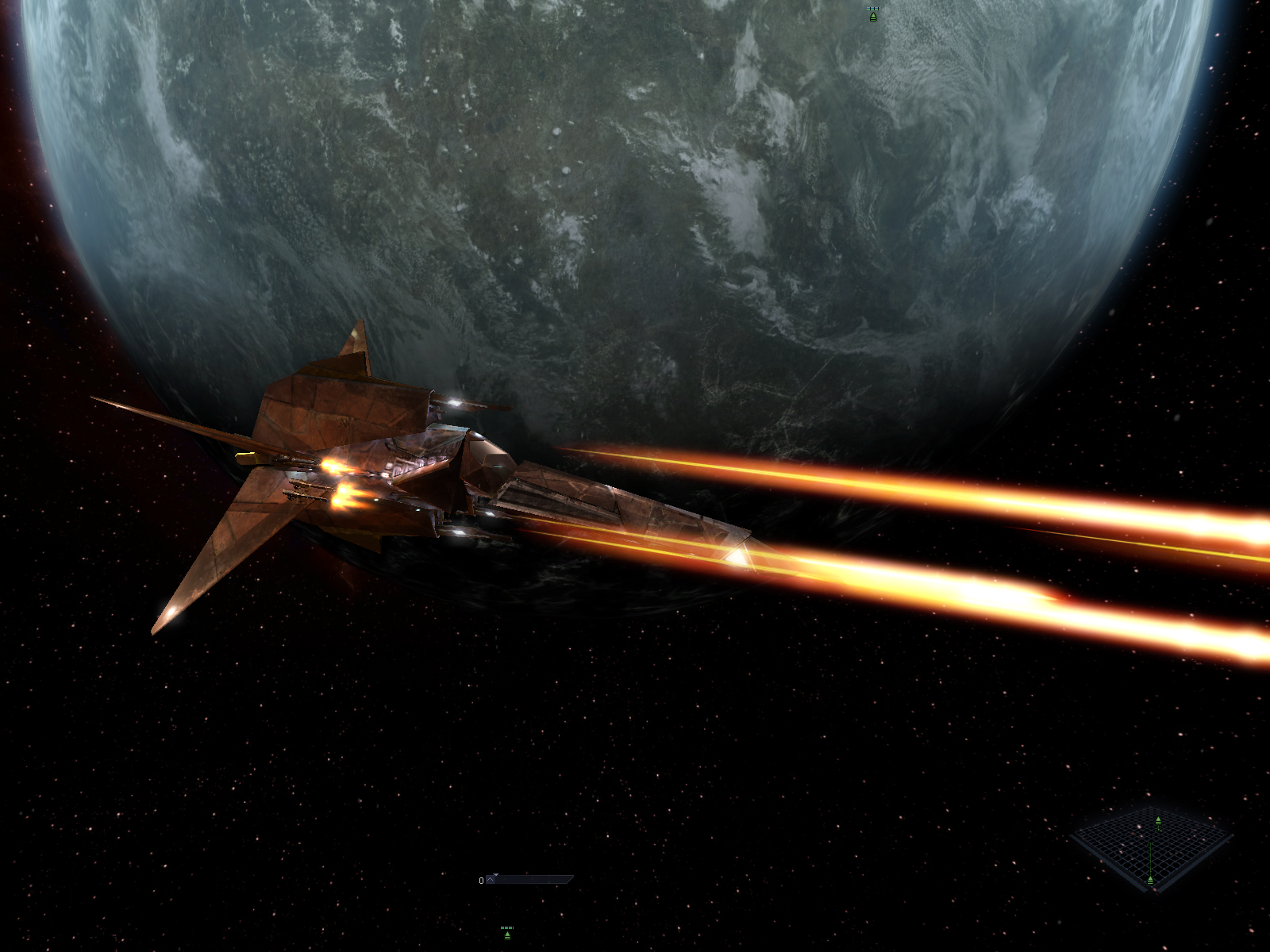
Released by developer Egosoft in late 2005, X³: Reunion stands as a monumental entry in the realm of space simulation. As the direct sequel to the award-winning X²: The Threat, this title immerses players into a vast, living universe where they can trade, fight, and manage fleets and stations. It continues the epic space saga by blending deep space trading with intense real-time combat, allowing players to explore, establish their empire, and shape the new frontier.
The Living Universe and Economy
The universe in X³: Reunion is defined by its complexity and dynamic nature. The economy is more complex than anything previously seen in the X-universe. Factories are actively built by non-player characters (NPCs), and wars can have profound effects on the global economy. NPCs trade freely across the galaxy, and pirates behave with increased realism, making the universe feel ever-changing. Coupled with a massively enhanced Artificial Life (A.L.) system, the game presents an evolving universe where a player's actions really can shape the future.
Gameplay Mechanics and Combat
Best described as a space simulator, X³: Reunion incorporates intricate trade systems, combat, and comprehensive ship and station management. The gameplay is remarkably open-ended, granting players the freedom to achieve nearly any goal they set, whether through peaceful commerce or aggressive expansion. Even those who choose to bypass the plot can still engage with the game's core mechanics, though some specific events are exclusive to the storyline.
To support this ambitious vision, Egosoft developed a new 3D engine that makes full use of DirectX 9 technology, resulting in dramatic visual effects and stunningly realistic starships. The game also features an improved physics model and new construction options, allowing for greater strategic depth in fleet battles and base building.
Notable Features of X³: Reunion
- Advanced 3D engine with DirectX 9 support for realistic starships.
- Complex NPC economy where factories are built by non-player characters.
- Enhanced Artificial Life (A.L.) system creating an evolving universe.
- New construction options and improved physics models.
The Story of X³: Reunion
The narrative picks up where the previous titles left off. While the Argon fleet is stretched almost to breaking point by continuing attacks from the Khaak, a new enemy stalks the X-universe. The story asks: what links a mysterious ship with the power to disappear, the ruthless Yaki pirates, and a machine left by an ancient species? Players will find themselves involved in a series of escalating conflicts, including the "Search for the Crystals," the "Disruptor Facility" arc, and the "Paranid Nividium Scheme." The plot involves key elements such as the "Seed," Kyle's awakening, and the arrival of the Earth Fleet, weaving a tale of mystery and interstellar intrigue.
Platform Availability
X³: Reunion was originally released for PC in late 2005. Although the game was initially intended to be a multiplatform release for Windows and Xbox, the Xbox version was cancelled, leaving the PC version as the primary platform. It is also ported to Linux. The game was later made available on Valve Software's Steam system, utilizing Steam's own DRM, whereas earlier retail releases utilized StarForce copy protection.
Who Should Play X³: Reunion?
This title appeals to fans of complex space simulators and strategy games. Veterans of the X series can expect a deep, challenging experience with new construction options and an improved physics model. Newcomers will enjoy the additions to the graphically impressive, almost living universe. For those seeking a journey of strategy, simulation, and interstellar intrigue, X³: Reunion offers a comprehensive and evolving sandbox.