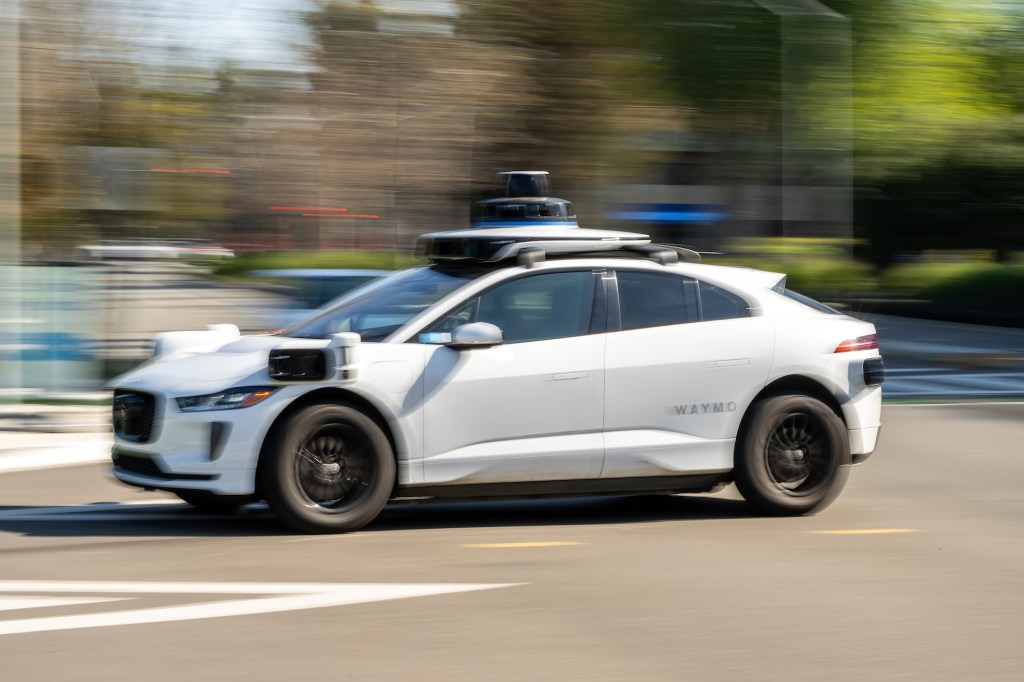
A burglar used a Waymo to steal yoga clothes in San Francisco — and got away with it. The incident, which took place in January 2024, highlights a surprising and concerning weakness in the security of autonomous vehicle systems. Waymo, a leader in self-driving technology, has been expanding its fleet of robotaxis across major U.S. cities, promising safer and more efficient urban mobility. But this case has exposed a critical issue: the balance between privacy and public safety in the age of autonomous vehicles.
The Role of Surveillance in Autonomous Ride-Sharing
Waymo vehicles are equipped with an array of cameras and sensors, designed to monitor the environment and gather data to improve autonomous driving capabilities. This data helps the AI systems make real-time decisions, avoid obstacles, and navigate complex urban environments. However, the San Francisco incident revealed a significant gap in how this data is managed and accessed.
According to the San Francisco Chronicle, law enforcement was unable to identify the suspect using Waymo’s exterior camera footage, which had been blurred for privacy reasons. Additionally, the Waymo account information provided to authorities “didn’t lead police to the suspect.” The footage was reportedly deleted by the time a search warrant was filed in April, leaving investigators with no visual record of the incident.
These factors highlight a growing tension between the need for privacy and the demand for security in an increasingly automated world. While Waymo and other autonomous ride services argue that such measures are necessary to protect user data, the case underscores that this approach may inadvertently create blind spots for law enforcement.
The Challenge of Holding Autonomous Systems Accountable
The incident has sparked a broader conversation about the legal and logistical challenges of holding autonomous systems accountable. Unlike traditional vehicles, which are directly operated by a human driver, Waymo vehicles function without human intervention. This makes it difficult to trace actions back to a specific individual, especially when the system is designed to obscure personal data for privacy.
Key issues include:
- The Waymo account data is anonymized and not always linked to a real-world identity.
- The Waymo system does not always record or retain video footage beyond a certain period, making it hard to investigate crimes that occur during a ride.
- There is currently no standardized policy across autonomous ride services regarding how long data is stored or how it is shared with law enforcement.
Experts suggest that as the use of robotaxis expands, the legal frameworks governing them must evolve as well. Without clear guidelines on data retention, access, and privacy, incidents like this could become more common—and more difficult to solve.
Looking ahead, the case involving Waymo and the yoga clothes theft may seem trivial, but it points to a larger issue: the need for collaboration between tech companies, law enforcement, and regulators. As autonomous vehicles become more common, the data they collect will become an increasingly valuable tool for both safety and crime prevention. However, that value can only be realized if there is a mutual understanding of how to balance privacy, security, and accountability.
With Waymo now operating in multiple cities and competing with other autonomous ride services, the pressure is on to create policies that are both protective of user data and responsive to public safety concerns. Whether the industry can find that balance will shape not just the future of robotaxis, but the trust users place in the technology that is rapidly becoming a part of their daily lives.