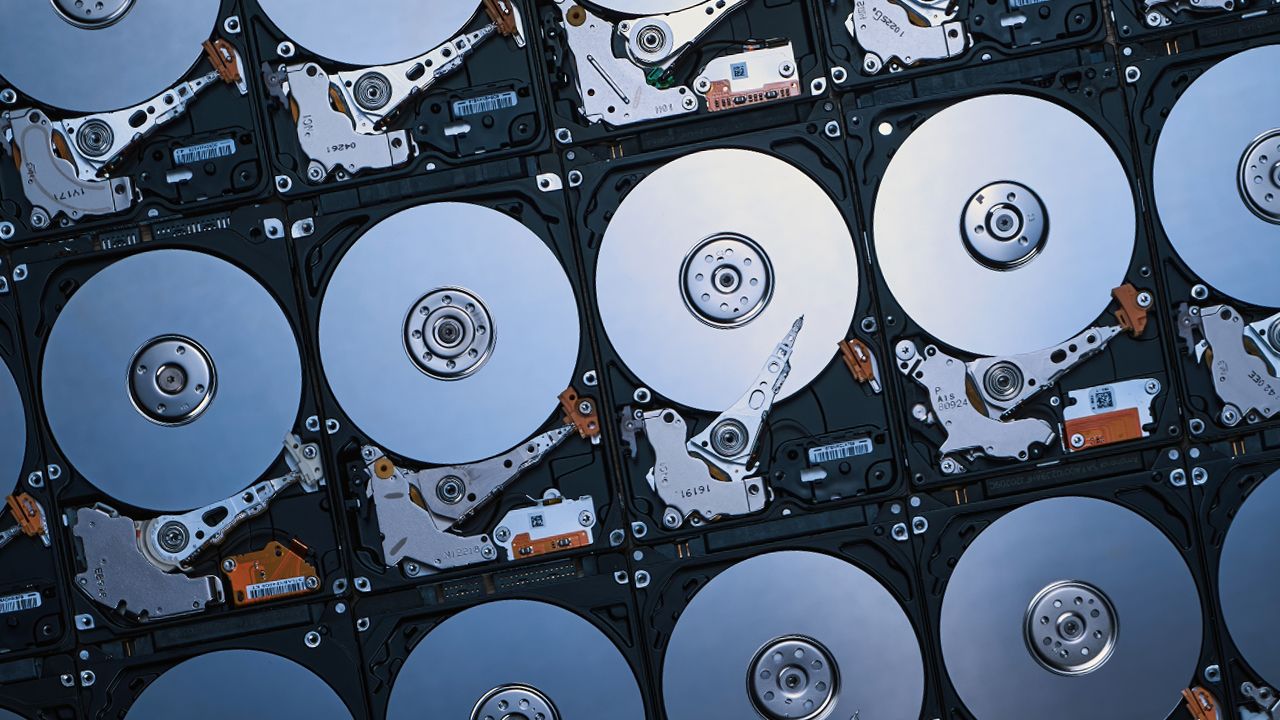
With the AI industry's bottomless appetite for memory driving SSD prices to new heights, many are looking toward Hard Disk Drives (HDDs) as a more cost-effective alternative. However, a recent story involving a failed enterprise HDD serves as a stark reminder that switching to older tech comes with significant risks.
Toshiba Refuses Replacement for Failed Enterprise HDD
A Redditor recently revealed that their company had purchased several high-capacity HDDs from Toshiba just months ago to populate a storage array. When one of the 20+ TB drives died, the manufacturer's solution was far from ideal. Toshiba offered only a refund of the original purchase price, refusing to cover the current—and significantly higher—replacement cost.
The situation is further complicated by severe supply issues. Documents examined by Tom's Hardware indicate that Toshiba lacked the necessary stock to replace the drive in question. If Toshiba had committed to replacing the failed enterprise HDD, the customer would have been left waiting at least a year for a 24 TB unit to arrive.
The Current State of Storage Reliability and Costs
While HDDs are often viewed as outmoded, they remain essential for corporate archives where data retrieval speed is less critical than capacity. However, the ongoing memory supply crisis has impacted both SSD and HDD pricing. Even with WD announcing new HDD technology that promises "flash-like" performance, the market remains volatile.
When considering hardware longevity, there are several key factors to keep in mind:
- Mechanical Risk: HDDs generally have more potential points of failure than SSDs due to their moving internal parts.
- Expected Lifespan: While modern HDDs can last upwards of five years, SSDs can often last between five to 10 years or more, according to SanDisk.
- Future Innovations: Microsoft’s Project Silica is developing laser-etched glass technology capable of storing data for a purported 10,000 years.
The prospect of a drive failing after only a few months is incredibly disappointing, especially given the current market climate. It certainly makes you worry about your own hardware; while I maintain multiple backups, many of my older drives are likely out of warranty. As I update our SSD deals guide every Friday, I am reminded that in this hardware climate, a sudden failure could leave you facing much longer waits than just a few months.