Acer's Predator Atlas 8 Handheld Gaming PC: A Closer Look at the New Intel G-Series Powerhouse
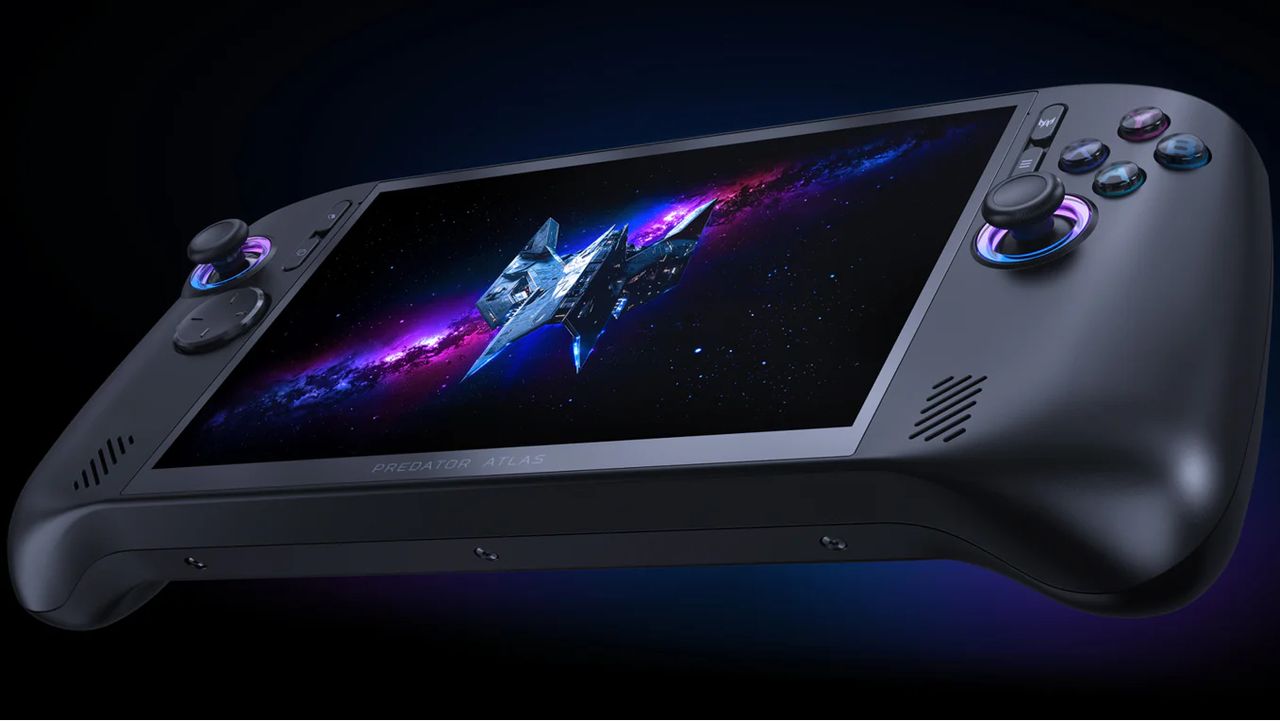
Acer's Predator Atlas 8 handheld gaming PC is making waves with its new Intel G-series chips, offering a compelling alternative to the Lenovo Legion Go S. The design of the Predator Atlas 8 closely mirrors that of the Lenovo Legion Go S, which is a positive sign given the latter's comfortable ergonomics and excellent build quality. The Predator Atlas 8 shares the same 8-inch screen with a 1900 x 1200 resolution, VRR support, a 120 Hz max refresh rate, and 500 nits of peak brightness — a feature that has been widely praised for its clarity and brightness in handheld devices.
Performance and Battery Life: The Key Differentiators
The main differentiators of the Predator Atlas 8 lie in its Intel Arc G-Series processors and battery capacity. The G3 and G3 Extreme chips are specifically designed for handheld gaming, promising improved performance and efficiency. Additionally, the Predator Atlas 8 features an 80 Wh battery, which is a notable upgrade and matches the Asus ROG Xbox Ally X in terms of power endurance. This battery capacity should allow for extended gaming sessions, which is a crucial factor for handheld devices.
Acer's SVP and GM, Jim Johnson, highlights the Predator Atlas 8's exceptional battery life, though previous tests with Panther Lake chips have shown that they are on par with Intel's Lunar Lake in terms of battery efficiency. Despite this, the 80 Wh battery should still provide a significant boost in runtime for users.
Design and Features: Balancing Power and Portability
One potential drawback of the Predator Atlas 8 is its weight. The model with a 60 Wh battery weighs under 770 grams, while the 80 Wh version is under 810 grams. For comparison, the ROG Xbox Ally X with an 80 Wh battery weighs 715 grams, making it slightly lighter. However, the Predator Atlas 8 introduces an AeroBlade fan, which Acer claims is the first metal fan in a handheld. This innovation promises a 10% increase in airflow compared to traditional plastic fans, which could help maintain better thermal performance during extended use.
In terms of storage and memory, the Predator Atlas 8 offers a maximum of 1 TB of storage and up to 24 GB of RAM. While this might seem like a limitation compared to the 32 GB found in some other devices, the 24 GB should still be sufficient for most handheld gaming needs, especially considering that memory is shared between the system and the GPU.
Conclusion: A Promising New Entry in the Handheld Market
Overall, the Predator Atlas 8 appears to be a heavier version of the Lenovo Legion Go S, but with the added benefits of new Windows/Xbox software and the latest Intel G-Series chips. The real test will be how well these components perform in practice. While pricing details are still under wraps, Acer has confirmed that the Predator Atlas 8 will be available in North America, EMEA, and Australia starting in October 2026. This gives us a bit of time to wait and see how this new device stacks up against its competitors.