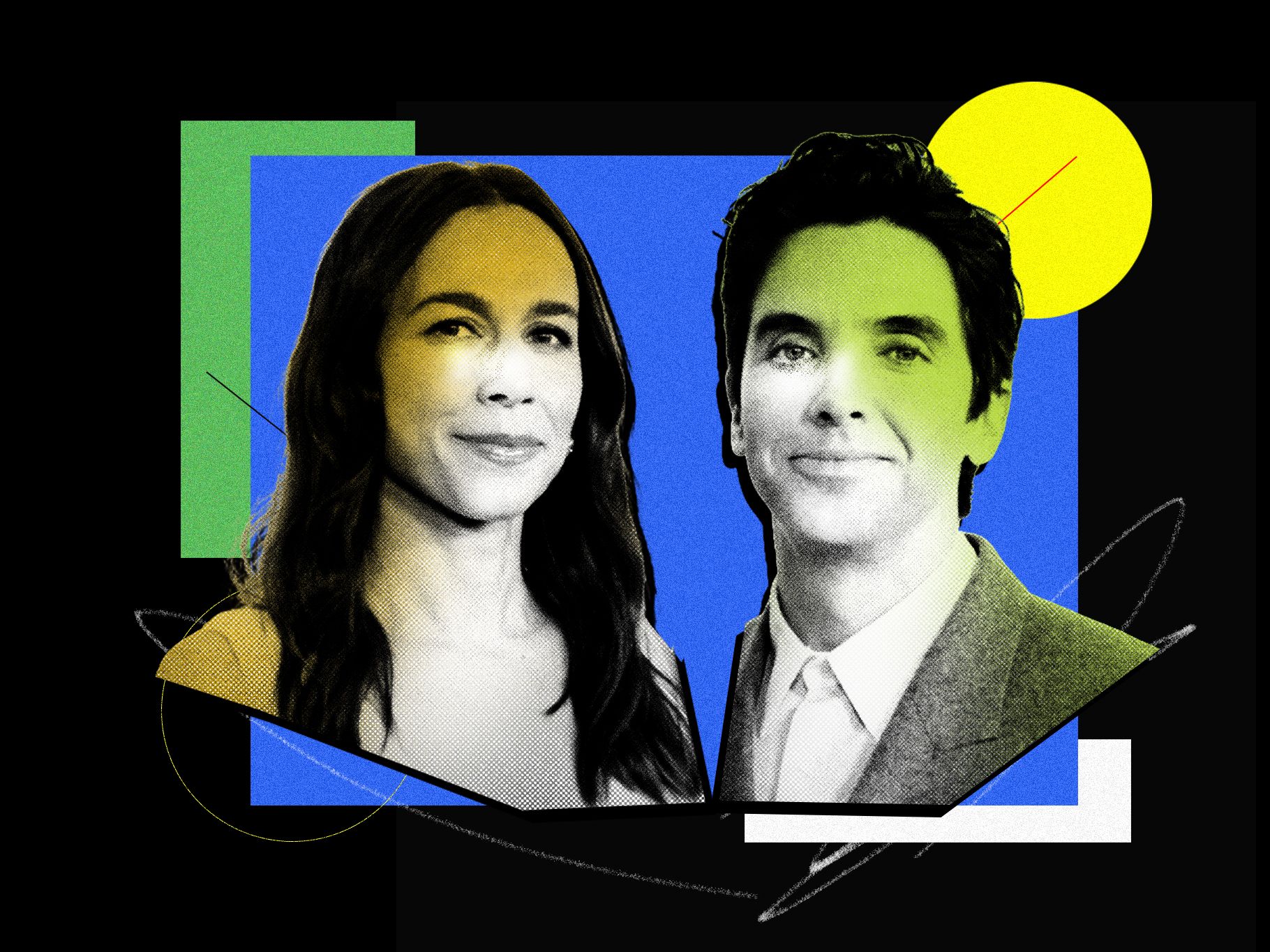
The entertainment industry is currently locked in a heated debate over the role of automation, and the creators of HBO's Hacks have made their position crystal clear: they are firmly against the encroachment of artificial intelligence on the creative process. Their resistance highlights a growing movement among storytellers who view AI technology as a fundamental threat to artistic authenticity and human nuance.
The Human Edge in Storytelling
For the show's co-creators, the magic of television lies in what machines cannot replicate: lived experience, imperfection, and the unpredictable nature of collaboration. They argue that writing requires an emotional truth and an authentic voice that algorithms simply cannot simulate.
This philosophy is baked into the DNA of Hacks. The evolving relationship between Deborah Vance and Ava Daniels is built on creative friction and mutual respect—elements that rely on human intuition rather than data-driven templates. By prioritizing these messy, human dynamics, the show stands as a testament to why creators of Hacks really, really, really hate AI.
The Risks of Algorithmic Content
The creators' opposition to AI isn't just about writing; it intersects with much larger systemic issues within Hollywood, such as media consolidation and censorship. They warn that relying on machine learning could lead to a dangerous homogenization of culture.
Key concerns regarding the rise of AI in media include:
- Loss of Creative Integrity: The fear that "imperfections"—the very things that make art relatable—will be smoothed over by optimization.
- Automation Overload: The risk of replacing human judgment in critical areas like script development, casting, and editing.
- Censorship Risks: A concern that AI tools designed to minimize controversy may inadvertently suppress bold narratives or diverse perspectives to satisfy a safe, middle-of-the-road algorithm.
Navigating the Generational Divide
Beyond the tech debate, Hacks explores how gender dynamics and systemic biases shape comedic voices. The series uses Deborah’s struggles with sexism and industry setbacks to reflect the real-world barriers women have faced for decades.
By centering the show on the collaboration between two women of different generations, the series offers a direct counter-narrative to the "efficiency" ethos championed by tech companies. It suggests that true art gains its power from vulnerability and conflict, qualities that cannot be quantified.
As streaming giants continue to integrate automation into their production pipelines, the stance taken by the creators of Hacks serves as a vital rallying cry. They argue that while technology evolves, the heart of storytelling must remain rooted in the people who create it, proving that human stories can never truly be reduced to mere data points.