The instability of centralized social media platforms has reached a breaking point, leaving community leaders vulnerable to the whims of corporate restructuring and algorithmic shifts. When X announced the shutdown of its Communities feature, it did more than just remove a single tool; it signaled the ongoing erosion of digital spaces that users previously thought were permanent. In response to this volatility, a new project known as Acorn has emerged, offering a way for creators and organizations to reclaim ownership of their online presence through decentralized technology.
Beyond the Algorithm: The Architecture of Autonomy
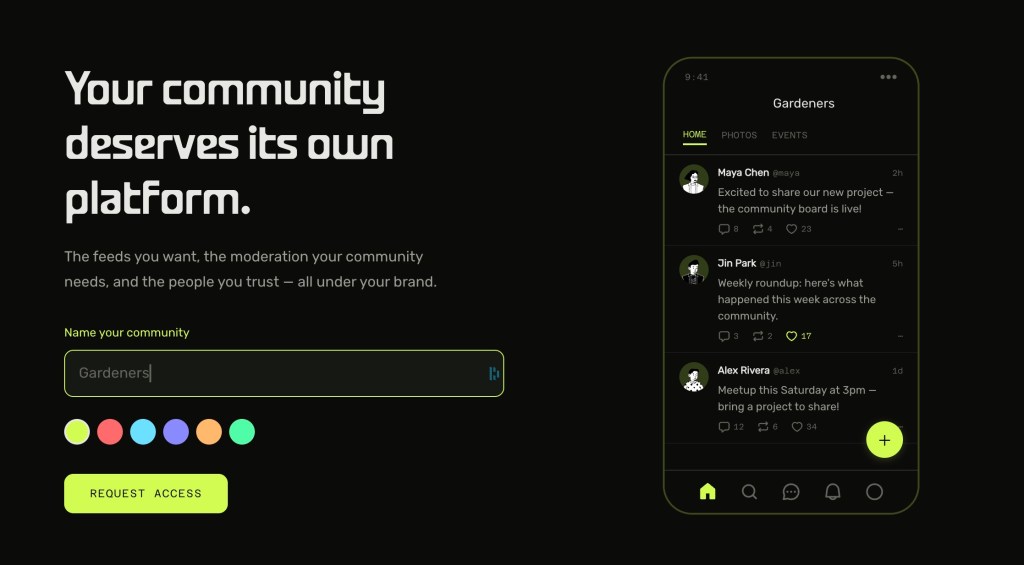
Built by the developers at Blacksky, Acorn is not attempting to compete with the sheer scale of giants like Meta or X, but rather to provide an alternative infrastructure for those who value stability. The platform utilizes the AT Protocol, the same underlying technology that powers Bluesky, which allows for a decentralized approach to social networking. This means that instead of being subject to a single company's unilateral decision-making, communities can function as independent entities on an open social web.
Blacksky has a history of building specialized tools designed to protect and sustain specific digital ecosystems, particularly focusing on providing safer spaces for the Black Twitter community. By leveraging their experience in creating custom moderation services and implementing the AT Protocol, they have developed a toolkit that allows for much more than just simple chat rooms. Acorn provides the technical foundation necessary for groups to build their own homepages and establish a permanent digital footprint that does not disappear when a CEO changes their mind about feature sets.
Granular Control: A Toolkit for Digital Sovereignty
The core value proposition of Acorn lies in its ability to hand the reins of moderation and curation back to the community members themselves. Rather than relying on an opaque, automated system that might accidentally ban a user without recourse, Acorn provides creators with the tools to define their own rules and manage them manually. This level of control is particularly vital in an era where Meta has faced criticism for automated bans that leave users with no way to appeal to a human representative.
At launch, the platform includes several high-level features designed to facilitate growth and maintain order:
- Starter Packs: Similar to Bluesky, these allow communities to suggest a curated list of accounts for newcomers, easing the onboarding process.
- Custom Feeds and Tabs: Creators can build specific feeds focused on particular topics or create dedicated tabs for announcements, events, and resources.
- Reputation Systems: The platform supports custom badges and awards, allowing communities to recognize high-value members and incentivize positive behavior.
- Advanced Moderation: Tools are available to manage reporting flows, handle account bans, and remove problematic content according to community-specific policies.
- Built-in Analytics: To ensure long-term health, creators can track member growth, engagement patterns, and overall feed activity.
The Price of Independence
Moving away from "free" centralized platforms does come with a tangible cost, reflecting the shift from an advertising-driven model to a Software-as-a-Service (SaaS) structure. While X and Instagram offer services at no monetary cost, those services are often subsidized by user data harvesting and unpredictable algorithmic manipulation. Acorn operates on a more transparent, albeit paid, model. Currently, the average customer price sits between $100 to $150 per month, with plans to move toward a tiered pricing structure that scales based on community size and the complexity of the tools required.
This transition represents a broader movement in the tech industry toward digital sovereignty. While a monthly subscription might be a barrier for casual hobbyists, it is an increasingly attractive prospect for professional organizations, media companies, and nonprofits that require guaranteed uptime and predictable governance. Early adopters like Latinsky, Medsky, and the filmmaking community The Invite are already utilizing the platform to build their independent ecosystems.
As global regulations on social media intensify and users grow more distrustful of the profit-first motives of tech conglomerates, the demand for decentralized, controllable spaces will only increase. Acorn’s development is inspired by the resilient community in Octavia Butler’s Parable of the Sower, suggesting that the future of digital interaction may not be found in one massive, all-encompassing platform, but in a network of small, adaptable, and independently managed seeds. The success of this movement will ultimately depend on whether creators are willing to trade the convenience of "free" platforms for the hard-won autonomy of their own domains.