AI Has Come for Serif Fonts
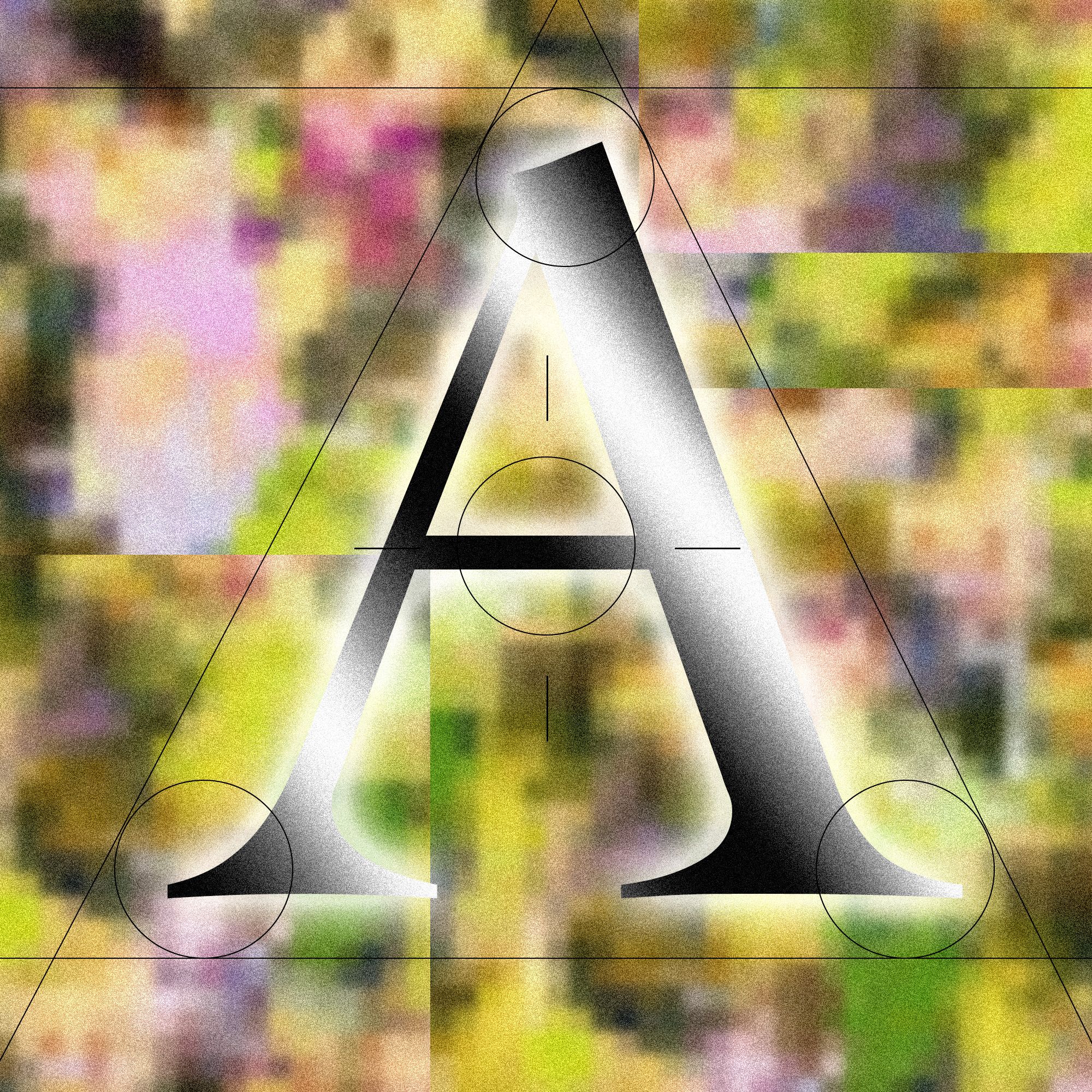
The glow of a serif "A" flickered on a screen, its strokes softened by the pixelated background, as if trying to mimic the warmth of ink on paper. It was a subtle detail, but one that stood out in a world increasingly dominated by the cold, clinical aesthetics of artificial intelligence. This wasn't just a design choice—it was a signal, a coded message in the visual language of the digital age.
The Serif Renaissance
A growing trend in AI branding and user experience design is the deliberate shift toward serif fonts, a move critics call "tasteslop." These fonts, with their distinctive little feet at the end of strokes, are deeply rooted in human history. They harken back to the days of quills and inkwells, where calligraphy shaped the written word. Now, they're being repurposed to humanize the digital landscape.
Serifs have been adopted by AI companies like Anthropic, Runway, and Perplexity to create a more "human" aesthetic. The choice is often framed as a way to build trust with users, signaling that AI is not just a machine but a product of human hands. Fonts like Times New Roman, with its authoritative presence, are being revived in an era dominated by sleek, minimalist sans-serif designs.
Aesthetic as a Feint
The use of serif fonts is more than just a visual preference—it's a strategic maneuver. As one AI model noted, the clean lines and assured typography of serif fonts communicate a sense of literary seriousness and competence, even as the underlying technology remains opaque and untrustworthy. It's a kind of visual feint, a way to distract from the reality of AI's limitations.
For designers like Keya Vadgama, this is both a fascinating and troubling development. "It's not that difficult to discern why AI-native companies in particular are being drawn to serif fonts: AI is inherently cold and without opinion," she explains. "[Using serifs] signals 'We're AI! But real humans use (and made) our product! We swear!'"
This duality—the desire to appear human while remaining a machine—has led to a kind of premium mediocre aesthetic, where the fonts are meant to feel special but often end up feeling generic. The result is a design landscape that feels more like a collective effort to mimic warmth than to actually create it.
The Human Touch, or the Illusion of It
Some view the serif trend as a necessary evolution. For Yitong Zhang, the shift away from sterile, computerized fonts is a sign that AI is learning to vibe code—to understand and replicate human aesthetics, even if imperfectly. "Somebody at these labs is trying to get these models to be good at design," he says. "It's pretty pragmatic."
But for others, the move is more of a rebranding effort. As Ali S. Qadeer, a typography expert, points out, the sterile look of tech has dominated for decades, and it's increasingly associated with lack of soul. "I 100 percent believe it's an effort to soften people up," he says. "It is a response to large-scale social criticism."
The question remains: is this a genuine attempt to make AI feel more human, or is it simply a cosmetic fix for a fundamentally inhuman system? The answer may lie in how users respond. For now, the serif renaissance continues, a visual echo of the broader struggle to make the machine feel more like a person.


