Logistics has long been defined by the heavy, rhythmic thrum of diesel engines and the predictable, carbon-intensive routes of global freight. However, as the industry faces mounting pressure to decarbonize, the focus is shifting from engine strength to network intelligence. Amazon is now driving this transition by integrating electric big rigs into its massive logistics web.
The Rise of Freight-as-a-Service and Electric Big Rigs
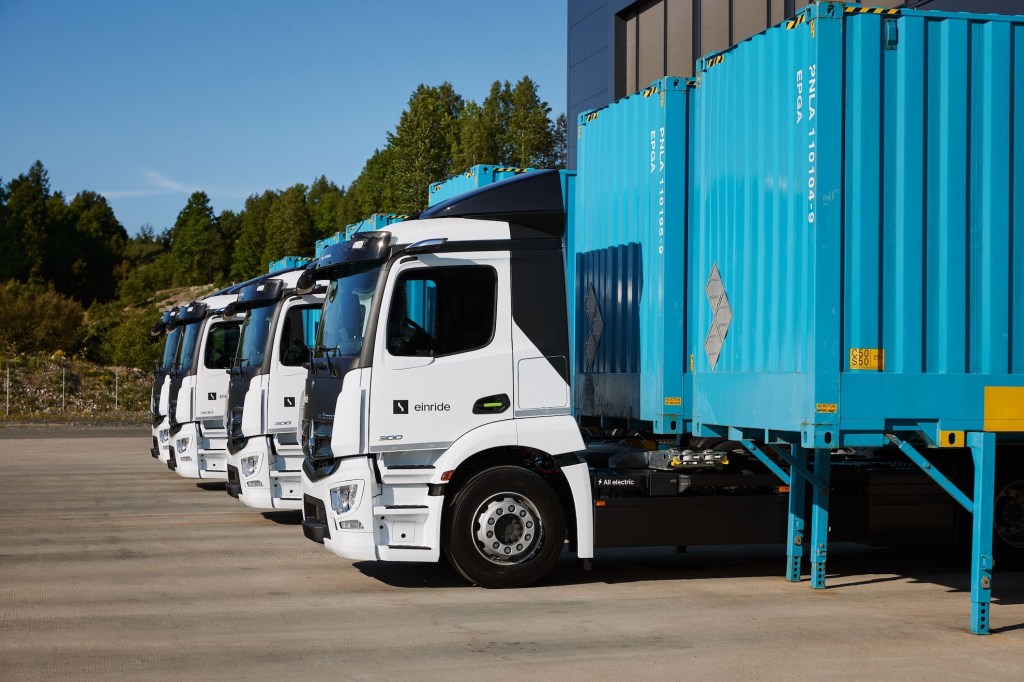
The recent agreement between Amazon and the Swedish startup Einride represents a significant departure from traditional logistics procurement. Rather than simply purchasing a fleet of electric vehicles, Amazon is integrating Einride’s specialized technology into its existing Relay freight network. This deal involves the deployment of 75 electric heavy-duty trucks, but the true innovation lies in the operational structure.
Under this arrangement, Einride retains ownership and management of the vehicles. The fleet will be managed using Einride's proprietary Saga AI software, a platform designed to optimize routes, monitor vehicle health, and maximize the efficiency of electric powertrains. This "trucking-as-a-service" model allows Amazon to expand its green capabilities without the massive capital expenditure required to build and maintain an entirely new electric fleet from scratch.
The deployment extends beyond the vehicles themselves. To support this transition, Einride will also deploy critical charging infrastructure across five strategic locations within the United States. This addresses one of the most significant bottlenecks in the adoption of heavy-duty EVs: the lack of reliable, high-capacity charging corridors capable of supporting long-haul operations.
Decarbonizing the Heavy-Duty Corridor
For Amazon, this partnership is a tactical move toward its ambitious net-zero carbon emissions goal for 2040. While small-scale electric delivery vans have become common in urban centers, the "middle mile"—the heavy-duty hauling between warehouses and distribution hubs—remains one of the most difficult sectors to decarbonize. The energy density required to move massive loads over long distances makes electrification a monumental engineering challenge.
The agreement highlights several key pillars of modernizing the supply chain:
- Software-Defined Logistics: Utilizing Saga AI to reduce deadhead miles and optimize energy consumption.
- Infrastructure Integration: Establishing dedicated charging hubs across five identified US locations for initial rollout.
- Network Interoperability: Allowing third-party drivers within the Relay app to utilize Einride’s specialized fleet.
- Fleet Management Outsourcing: Shifting the burden of hardware maintenance and software management to a specialized provider.
Laying the Groundwork for Autonomous Integration
While this specific agreement does not include Einride's more experimental autonomous pods—the cab-less, driverless units that have garnered significant industry attention—it establishes a foundation for future autonomous integration. By proving the reliability of electric big rigs in a high-volume environment like Amazon’s network, the groundwork is being laid for a truly driverless, zero-emission future.
Strategic Expansion and Market Maturity
The timing of this deal is particularly critical for Einride as the company moves toward a major financial milestone. The startup is currently finalizing a merger with Legato Merger Corp., a move that signals its intention to go public in the near future. Securing a partnership with a titan like Amazon provides the necessary validation of their technology and a massive scale-up opportunity.
Einride has already demonstrated its ability to operate at scale, managing a fleet of approximately 200 heavy-duty electric trucks for major global players including Heineken, PepsiCo, and Carlsberg Sweden. This expansion into the American market suggests that the technology is ready to move out of European pilot programs and into the heart of the global economy.
As the industry watches, the success of this rollout will serve as a litmus test for the viability of electric heavy-duty freight in North America. The transition from diesel power to AI-driven electrification is no longer a theoretical concept; it is actively hitting the pavement.