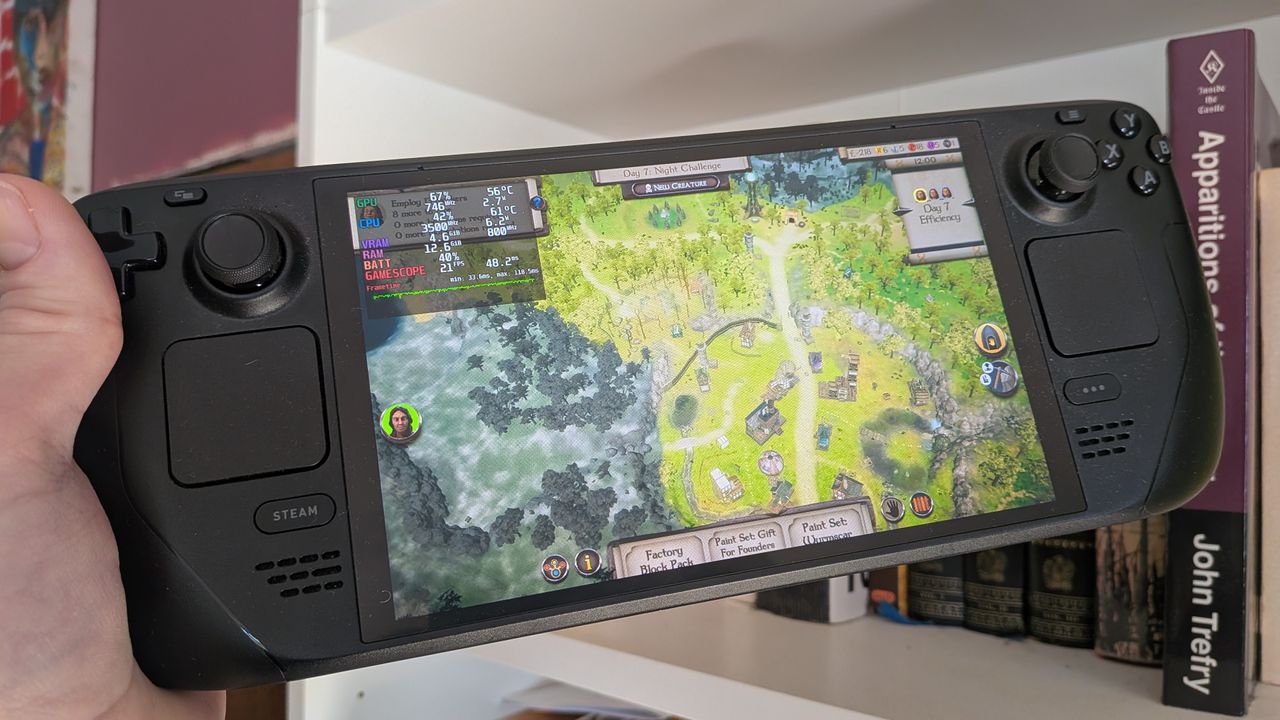
AMD has reported a massive $10.3 billion in revenue for the first quarter of 2026, marking a 38% increase compared to the same period in 2025. While the company is reaping huge rewards from the massive demand for AI-driven high-performance CPUs and accelerators, a growing industry-wide issue is beginning to cast a shadow over its more consumer-facing divisions.
The Impact of the Memory Supply Crisis on AMD Gaming Revenue
Despite the impressive top-line growth, AMD's gaming sector tells a different story. While the segment brought in $720 million—an 11% year-on-year increase—the company is bracing for significant volatility. According to AMD leadership, a memory supply crisis and rising component costs are expected to hit the gaming division hard in the coming months.
During a recent earnings call, AMD Executive VP, CFO, and Treasurer Jean Hu delivered a sobering forecast regarding the upcoming quarters:
- Increased Costs: Higher prices for memory and essential components are driving up manufacturing expenses.
- Revenue Decline: AMD expects second-half gaming revenue to decline by more than 20% compared to the first half of the year.
- Consumer Impact: Rising hardware costs are expected to dampen demand within the PC and console markets.
High AI Demand Drives Data Center Growth Amidst Component Shortages
The primary driver behind AMD's current success is its data center segment, which accounted for $5.8 billion—a staggering 57% increase compared to Q1 2025. This surge is fueled by the relentless global demand for AI compute power. However, this very demand is contributing to the supply issues affecting the rest of the market.
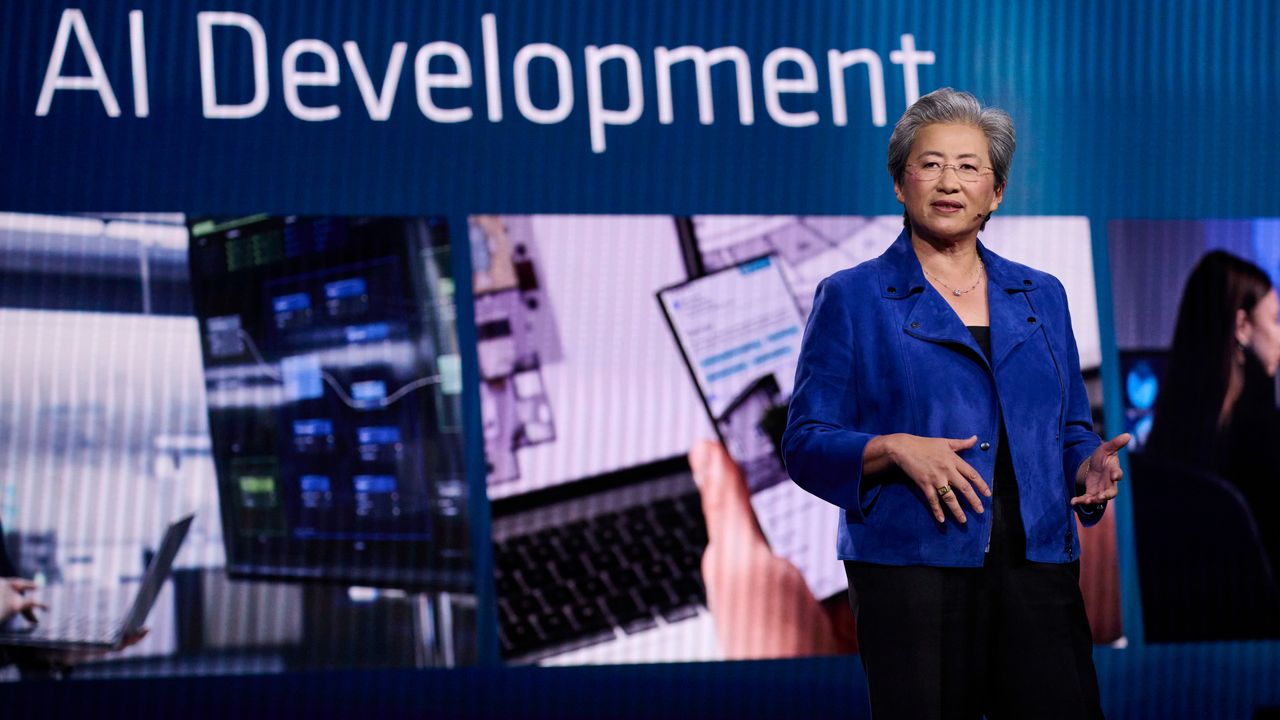
AMD CEO Lisa Su noted that while the company is making great strides in the AI PC arena, the desktop market is feeling the squeeze. "We did see desktops a little bit softer just given desktop is a more consumer-focused market," Su explained, citing memory pricing and component price increases as the primary culprits.
The Future of Semi-Custom and Next-Gen Consoles
As the hardware provider for the PlayStation 5, AMD's semi-custom revenue has also seen a year-over-year decline. This shift is largely attributed to the natural lifecycle of gaming consoles, as the PS5 enters the tail-end of its era. However, there are signs of optimism regarding what comes next:
- Console Lifecycle: The decline in semi-custom revenue was expected given the current stage of the console cycle.
- Next-Gen Development: Su confirmed that engagements with customers regarding next-generation platforms remain strong.
- Industry-Wide Trends: AMD is not alone in this struggle; both Nvidia and Microsoft have made similar predictions regarding how the memory crisis will impact revenue.
Ultimately, the focus for the industry remains on supply assurance. As the demand for AI infrastructure continues to scale, the "corollary" effect—rising costs for consumer electronics—remains the biggest hurdle for AMD's gaming and PC business heading into the second half of 2026.