AMD CEO Dr. Lisa Su Speaks at MIT Graduation
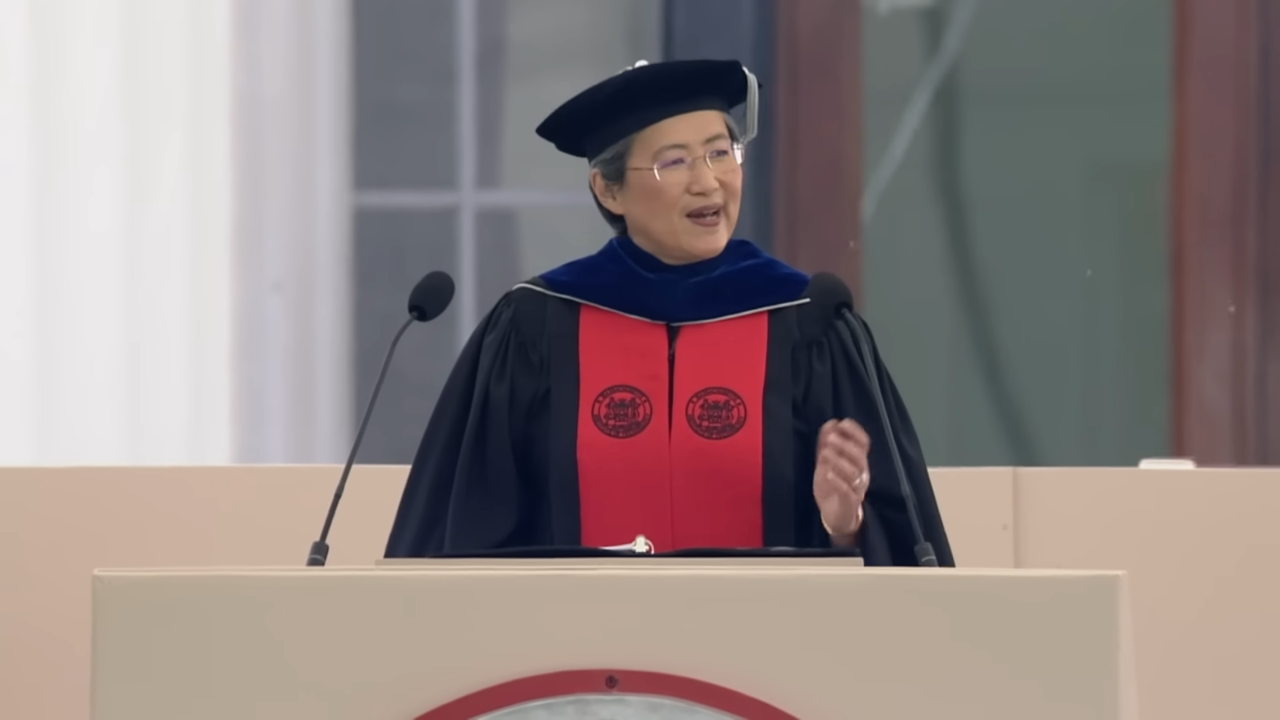
AMD CEO Dr. Lisa Su recently delivered a commencement address to the graduating class of 2026 at her alma mater, the Massachusetts Institute of Technology (MIT). The speech, while offering traditional congratulations and reassurances about overcoming challenges, took a notable turn when Su began discussing the role of AI in the modern workforce. This year’s graduates are entering a job market that many describe as uncertain, in part due to the increasing presence of AI in the workplace.
The tone of this year’s commencement speeches has been mixed. Several speakers faced backlash from the student audience for their AI-related remarks. Former Google CEO Eric Schmidt was loudly booed after discussing AI’s potential, and another speaker received similar reactions for comparing AI to the next industrial revolution. Scott Borchetta, CEO of Big Machine, was also met with boos for his AI-focused comments, which included the line, “You can hear me now or you can pay me later.” Su’s own comments on AI initially seemed to follow a similar pattern, as evidenced by MIT’s recording of the event.
However, Su’s full address goes beyond the more tone-dead remarks that have been heard from other speakers. She emphasizes the idea that AI is a tool, not a replacement for human effort. Su said, “Now let me be clear: Technology itself does not decide what the future looks like. People do.” This statement encapsulates the core of her message, which focuses on the human element in the age of AI.
Su’s speech highlights the need for human judgment when using AI tools. She explains that AI cannot determine which problems are worth solving, nor can it make difficult decisions with incomplete information. “It cannot take responsibility for the outcome. These are our responsibilities. And they matter more now than ever,” she said. Coming from the CEO of a company that has recently invested over $10 billion in Taiwan tech to accelerate next-gen AI infrastructure, Su’s comments appear particularly thoughtful and well-balanced.
As she wraps up her speech, Su urges the MIT graduating class of 2026 to become responsible human stewards of AI tools. Her later remarks on AI were not met with the same level of audible disapproval as her earlier comments. While her stance on AI might not align with everyone’s views—especially regarding its healthcare applications—Su’s measured outlook offers a refreshing contrast to the more pessimistic sentiments expressed by other speakers.
Other commencement speakers have offered a more fatalistic view, suggesting that AI will eliminate many entry-level roles and career paths that the 2026 graduates have been striving for. Su, however, reassures the audience that human involvement is still essential in making AI work effectively and in compensating for its limitations. Her speech serves as a reminder that, despite the rapid advancement of technology, it is the people behind it who ultimately shape the future.