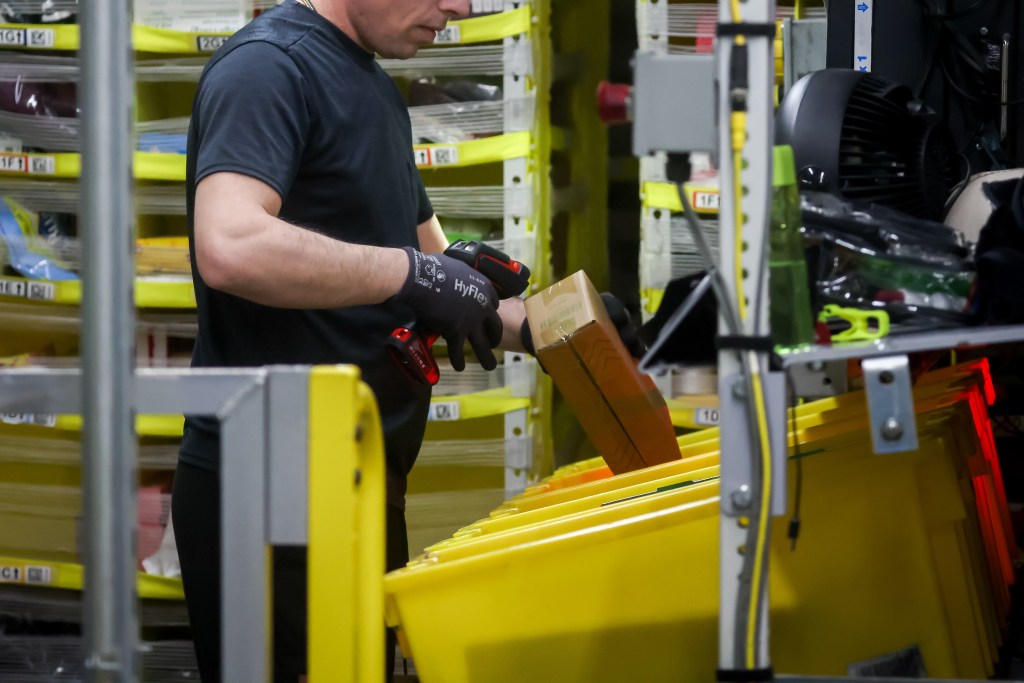
An Amazon Warehouse Worker Died on the Job at Oregon Facility Amid Safety Concerns
The tragic death of an employee at the Amazon PDX9 facility in Troutdale, Oregon, has reignited fierce debate surrounding workplace safety in modern logistics. This incident, where a worker collapsed and died last week, underscores the human cost behind the seamless delivery experience promised to millions. While corporate spokespeople have offered condolences and cited OSHA findings that label the fatality as "non-work related," the atmosphere within the warehouse suggests a more complex narrative involving extreme heat, restricted airflow, and a culture of relentless physical demand. The question remains: can an automated logistics empire truly reconcile its record-breaking efficiency metrics with a system where a worker's collapse is treated as merely a statistical anomaly?
Environmental Negligence and Extreme Heat at PDX9
The immediate aftermath of the tragedy has been marred by conflicting accounts regarding the working environment at the time of the collapse. While Amazon officially states that external safety regulators have cleared them of direct culpability in this specific fatality, workers on the ground point to a dangerous environmental factor: suffocating heat. Employees on Reddit forums for fulfillment center staff claim that recent installations of soundproof curtains inadvertently created an oven-like environment within the facility, trapping warmth and preventing proper ventilation.
Workers reported several critical issues regarding the conditions inside PDX9 leading up to the incident:
- The building became significantly hotter after modifications designed to dampen noise were implemented.
- The lack of adequate airflow compounded the physical toll of picking and packing tasks in a high-intensity setting.
- Colleagues noted a distinct temperature drop only after the next shift began, suggesting a potential failure in climate control systems.
The speculation from within the workforce aligns with previous findings by investigative outlets like Western Edge, which documented that employees noticed cooler conditions returning only after the facility was left empty for a night. This timing raises critical questions about whether the incident was an isolated medical event or a preventable consequence of environmental negligence. The physical demands of Amazon's fulfillment model—characterized by aggressive quotas and constant movement—are known to elevate body temperature significantly; when combined with poor ventilation, the risk of heat stress becomes a lethal variable that cannot be ignored.
OSHA Data Reveals a Pattern of Hazards Across the Network
The PDX9 warehouse is not an outlier in the broader context of Amazon's fulfillment network; it represents a microcosm of systemic issues that have plagued the company for years. An investigative report by Reveal as far back as 2018 highlighted that 26% of employees at this specific facility sustained injuries, pointing to a long-standing culture of high-risk operations. More recent data paints an even starker picture regarding the frequency and severity of these incidents across the company's global network.
According to OSHA records from 2024, Amazon’s fulfillment centers report serious injury rates that are more than double the industry average for warehouses. This statistical reality suggests that individual tragedies are not isolated events but rather the predictable outcome of a business model that prioritizes speed and scale over worker well-being. The company has faced relentless scrutiny from federal agencies, including an ongoing investigation by the United States Attorney's Office for the Southern District of New York, which alleges that Amazon may have manipulated safety data to obscure the true scope of workplace dangers.
Despite these persistent allegations, Amazon maintains a defensive posture regarding its safety record. Company representatives point to a 43% reduction in the global "recordable incident rate" since 2019 as evidence of their commitment to improvement. They cite an investment of over $2.5 billion in safety initiatives during this period, including hundreds of millions allocated specifically for 2026. However, these metrics track injuries requiring more than basic first aid, potentially masking the prevalence of minor but cumulative physical strains that contribute to long-term health degradation and acute failures like heat exhaustion.
The Human Cost Behind the Algorithm
The death at PDX9 serves as a grim reminder that behind every algorithmic optimization and delivery promise lies a human body capable of failure. The company’s response—providing grief counselors, paying staff for cancelled shifts, and coordinating with local authorities—is a standard crisis management protocol, yet it does little to address the underlying environmental conditions that workers fear are contributing to such outcomes.
The industry must grapple with whether the current regulatory framework is sufficient to protect workers in facilities where automation has outpaced safety infrastructure updates. As Amazon continues to push boundaries with rapid expansion and technological integration, the question remains: will safety ever be treated as an equal priority to speed? Until the environmental factors inside these massive warehouses are addressed with the same rigor as the logistics algorithms that drive them, the risk of preventable fatalities will remain a persistent shadow over the company's operations. The silence from regulators on the heat issue, coupled with the worker testimonies about trapped air, suggests that the investigation is far from over in the eyes of those who work the floor every day.