The Origins of a Fan-Made Masterpiece
The journey began long before the LAX tarmac. Jay Holtslander, a lifelong Die Hard enthusiast, initially tried to build a movie-accurate recreation using the Duke Nukem 3D engine. Frustrated by Doom’s vertical map limitations, he chased the promise of a full conversion mod. His efforts were heavily inspired by the groundbreaking AlienzTC project. His obsession ran deep, and he even recalls seeing the film’s opening day with his mother.
However, the rapid evolution of PC gaming quickly rendered his early work obsolete. When Half-Life launched, the graphical leap was undeniable. Holtslander admits the transition forced him to rebuild much of his work. He managed to recycle countless textures, but the GoldSrc engine demanded a completely new skillset. He was a graphics and level design specialist, not a coder. Needing help with mechanics like jump height adjustments, he turned to early internet forums.
From Fan Passion to an Official Die Hard Game
His forum posts attracted two key collaborators: Bryan Ekman and Russ Bullock. Bullock, then a computer science student at the University of Lethbridge, was hunting for industry experience. He explains that he simply wanted to secure a foothold in the competitive gaming sector. With the trio aligned, development accelerated rapidly. They launched a dedicated website that quickly captured the Half-Life modding community’s attention.
Their approach stood out for several technical and thematic reasons:
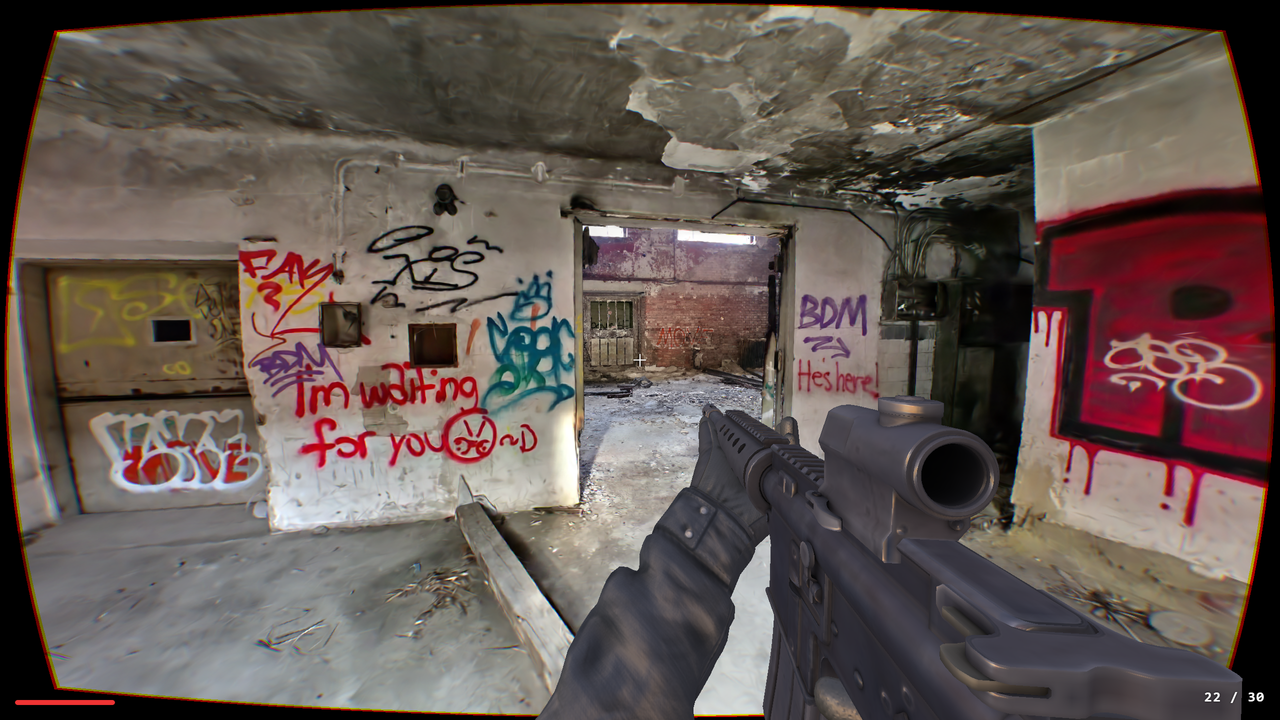
- Early photorealistic textures and face mapping that overlaid famous actors onto 3D models
- Cutting-edge green screen animations for in-game weaponry
- A meticulously crafted, movie-accurate recreation of the Nakatomi Plaza setting
But their rapid progress triggered a swift legal response. Fox Interactive issued a cease and desist letter, demanding the immediate shutdown of the project. Holtslander was devastated by the sudden halt. He had spent years pouring his creative energy into the build. While the founders' accounts of the aftermath diverge, Bullock claims he proposed a bold pivot. He convinced the team to pitch the project directly to the studio.
Stepping into Nakatomi Plaza
The gamble paid off by early winter 2000. Holtslander, Ekman, and Bullock flew to Los Angeles to meet with 20th Century Fox. Their destination was 2121 Avenue of the Stars, universally recognized as the real-world Nakatomi Plaza. For Holtslander, walking into the building felt like stepping through a screen door. He recalls spotting the exact location where Bruce Willis emerged with a teddy bear. The lobby matched the film perfectly, leaving the trio stunned.
The meeting proved highly successful, with Fox expressing strong interest in collaborating. This partnership birthed Piranha Games and formalized the development of the official Die Hard game, Die Hard: Nakatomi Plaza. For the team, it was a dream realized, but the transition from unpaid modders to professional developers proved grueling. The ensuing years would test their resilience, proving that commercial game development rarely mirrors the unambiguous heroics of the films that inspire them.