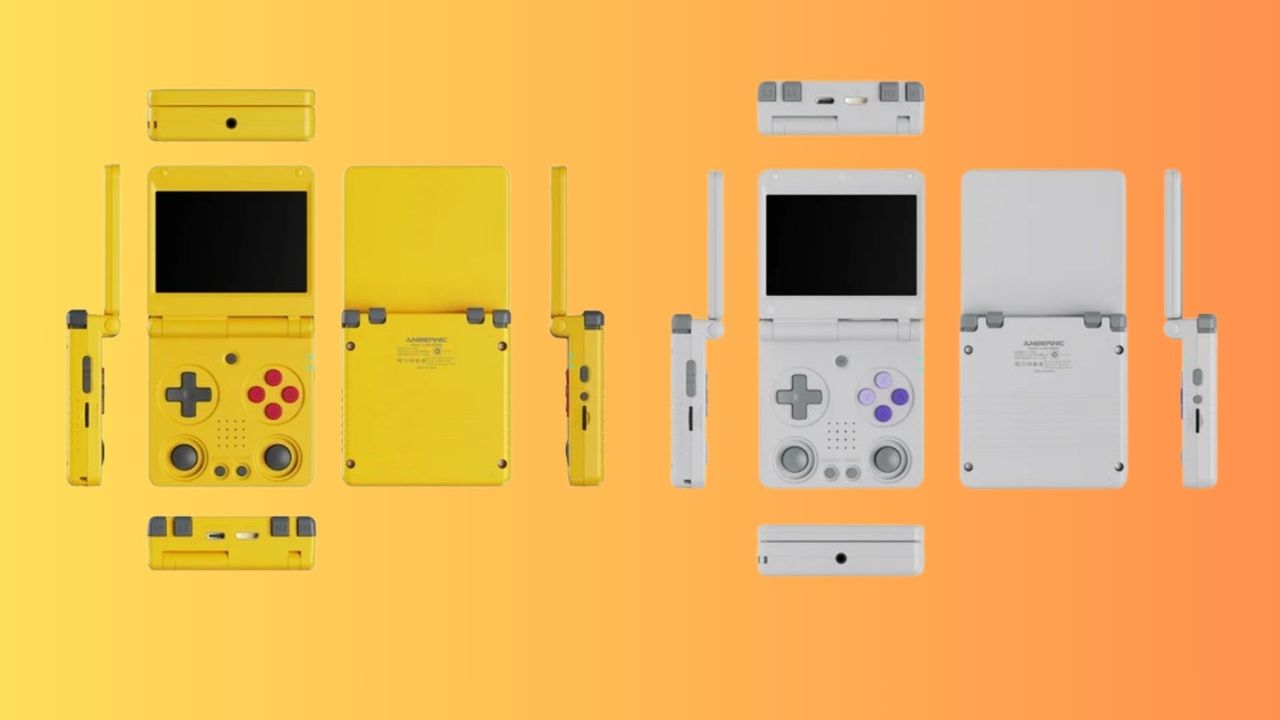
Anbernic's Memory Downgrade Sparks Controversy
Anbernic, a well-known name in the retro gaming handheld market, has recently found itself in the spotlight for what some are calling a quiet memory size downgrade. The company has reportedly reduced the memory capacity of its devices from 2 GB of LPDDR4 to 1 GB of LPDDR3 without adequately informing its customers. This change has raised eyebrows among users who are now questioning the reliability and transparency of the company.
According to reports from Tom's Hardware, a Reddit user discovered that their Anbernic RG 34XXSP came with only 512 GB of LPDDR3 memory, far below the advertised 1 GB. This discrepancy has sparked discussions on the Anbernic subreddit, where users are expressing their concerns. Anbernic has acknowledged the issue, stating that the 512 GB model was an "unexpected error" and that they will prioritize replacements for affected customers. However, the company has not addressed the claim that the memory type was downgraded from LPDDR4 to LPDDR3.
The Impact of the Downgrade
The downgrade to 512 GB of memory has been described as "low enough to become an actual usage problem" by some users. This change is particularly concerning given the current memory crisis affecting the gaming industry. As memory prices have soared, companies have had to make difficult decisions, often passing the costs onto consumers. However, the lack of transparency from Anbernic has left many feeling misled.
In the past year, the memory crisis has impacted numerous gaming companies. Wallace Santos, CEO of Maingear, has spoken about the ongoing challenges, noting that it's the first time in his two-plus decades in the industry that he's seen no light at the end of the tunnel for the next two years. Companies like Sony, Microsoft, Nintendo, and Valve have all experienced price increases for their gaming devices. This trend highlights the broader issue of rising costs and the need for companies to be more transparent with their customers.
What Users Should Do Now
If you've recently purchased an Anbernic device, it might be worth checking the memory specifications to ensure you have the advertised capacity. This can be done by opening the device and inspecting the memory module, or by using diagnostic tools to verify the specifications. Users have noted that the change in the spec sheet is subtle and may not be enough to alert potential buyers of the downgrade.
As the gaming industry continues to grapple with the memory crisis, it's crucial for companies to maintain transparency with their customers. Anbernic's situation serves as a reminder of the importance of clear communication and the potential consequences of making changes without proper disclosure. For now, affected users are advised to reach out to Anbernic for potential replacements and to stay informed about any updates regarding their devices.