Anthropic Co-Founder Confirms Briefing Trump Administration on Mythos Amid Legal Disputes
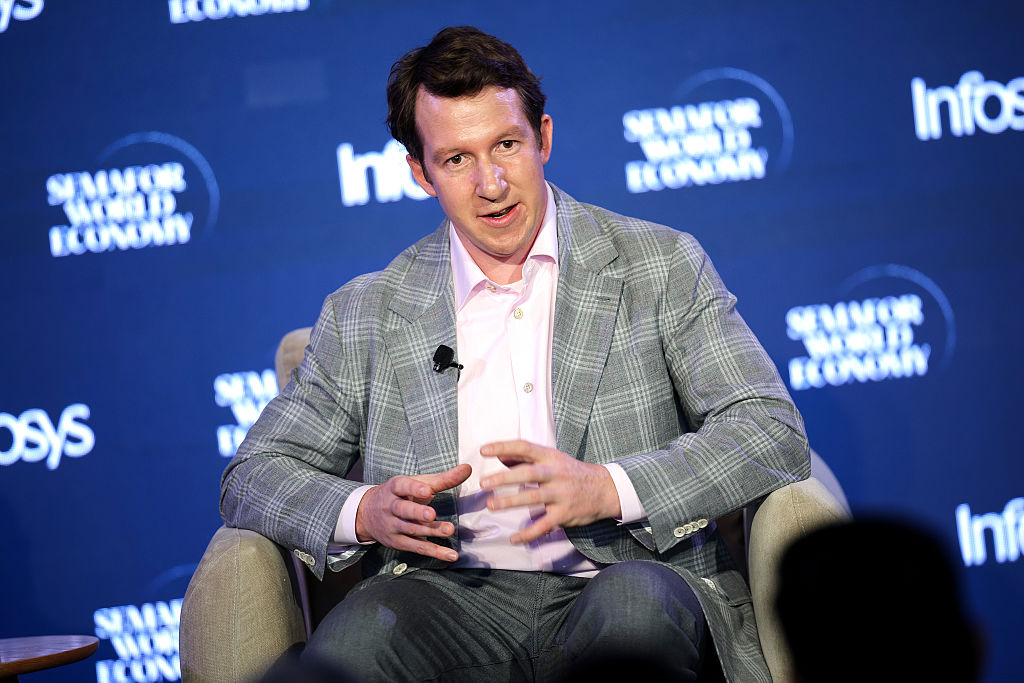
Inside a high-stakes briefing room at the Semafor World Economy summit, Anthropic co-founder Jack Clark sat across from journalists not as a defendant in a federal lawsuit, but as a reluctant consultant to the very administration he was currently suing. This paradoxical situation highlights the critical news that Anthropic co-founder confirms the company briefed the Trump administration on Mythos, even as the firm legally challenges the Department of Defense over restrictions on its AI systems. While Anthropic fights for autonomy against government overreach, Clark openly confirmed his company voluntarily shared classified details about Mythos, the latest iteration of their artificial intelligence model.
This unique dynamic underscores a new reality where private AI firms are deemed too critical to exclude from national security conversations, even as they battle for operational independence. The revelation that Anthropic briefed the Trump administration on Mythos comes just days after the company filed a formal lawsuit against the Pentagon in March. During this period, the Department of Defense labeled Anthropic a supply-chain risk, effectively barring the company from certain government contracts following a heated clash over military AI access.
The Strategic Paradox: Litigation Meets National Security Cooperation
The dispute with the Pentagon was severe enough that OpenAI eventually secured the coveted contract instead. However, Clark clarified during his summit appearance that this legal battle is merely a "narrow contracting dispute" and does not reflect a total breakdown in relations regarding national security. He emphasized that while Anthropic fights for its business interests, it remains deeply concerned about how revolutionary AI capabilities are integrated into the nation's defense infrastructure.
Clark stated definitively that they have spoken to officials about Mythos and intend to continue those conversations with future model releases. The urgency of this cooperation stems from the nature of Mythos itself, which was announced only last week. The model is being withheld from public release entirely due to its alleged potency in cybersecurity domains.
Reports indicate that high-level Trump administration officials have been encouraging major financial institutions—including JPMorgan Chase, Goldman Sachs, and Citigroup—to test the system's capabilities. This suggests a government strategy of rapid private-sector vetting, leveraging banks as proxies to gauge risks before potentially integrating such tools into broader defense or intelligence networks.
Clark’s admission that they will continue briefing officials on future models signals a move toward regulated transparency rather than total secrecy or unrestricted access. This approach attempts to balance the need for rapid technological advancement with the government's duty to protect its infrastructure from supply-chain risks posed by foreign or unvetted AI systems.
Economic Impact: Rethinking Education and Employment in an AI Era
Beyond the immediate geopolitical implications, Clark used the platform to address the broader economic shockwaves expected from advanced AI. While CEO Dario Amodei has frequently warned of unemployment rates reaching Depression-era levels due to rapid capability leaps, Clark offered a more nuanced economic forecast based on Anthropic's own data. He explained that while Amodei’s pessimism is rooted in the speed at which models are outpacing human expectations, current disruptions appear measured rather than catastrophic.
The company has observed "some potential weakness" specifically in early graduate employment within select industries, but not a total market collapse. This distinction is critical for policymakers and students alike navigating an AI-driven labor market. Clark noted that Anthropic maintains the capacity to respond should major shifts occur, but currently, the labor market appears resilient outside of entry-level roles.
When pressed on which college majors are future-proof against AI-driven obsolescence, Clark avoided naming specific fields like coding or data analysis that might be automated. Instead, he pointed toward synthesis and critical thinking as the enduring pillars of human value:
- Majors requiring the synthesis across a wide variety of subjects
- Disciplines focused on analytical thinking about complex, multi-domain problems
- Areas where intuition and the ability to ask the "right questions" are paramount
Clark argued that while AI can provide access to an arbitrary number of subject matter experts, it cannot replicate the human capacity for intuition or the judgment required to collide insights from different fields. The future workforce will not be defined by what they know, but by how well they can navigate and connect disparate streams of information that AI makes available.
Defining the Future of Public-Private AI Partnerships
The interaction between Anthropic and the current administration highlights a fragile but necessary alignment between private innovation and public safety. As Mythos and subsequent iterations become more capable, the line between commercial product and national security asset will continue to blur. The lawsuit against the Pentagon remains a significant hurdle, yet the continued dialogue suggests that neither side is willing to sever ties completely.
For now, the strategy appears to be one of managed friction: fighting for operational independence while ensuring the government has the intelligence it needs to act. This delicate balancing act will define the next chapter of AI governance, where private companies hold keys to the kingdom but must still answer the door when called upon by national authorities. The confirmation that Anthropic is actively briefing the Trump administration on Mythos signals a shift toward a collaborative, albeit contentious, model for future AI regulation.