The global market for smart lighting solutions has crossed $12 billion, with wireless integration and sustainability leading growth trajectories.
Wireless Integration Reshapes Everyday Lighting
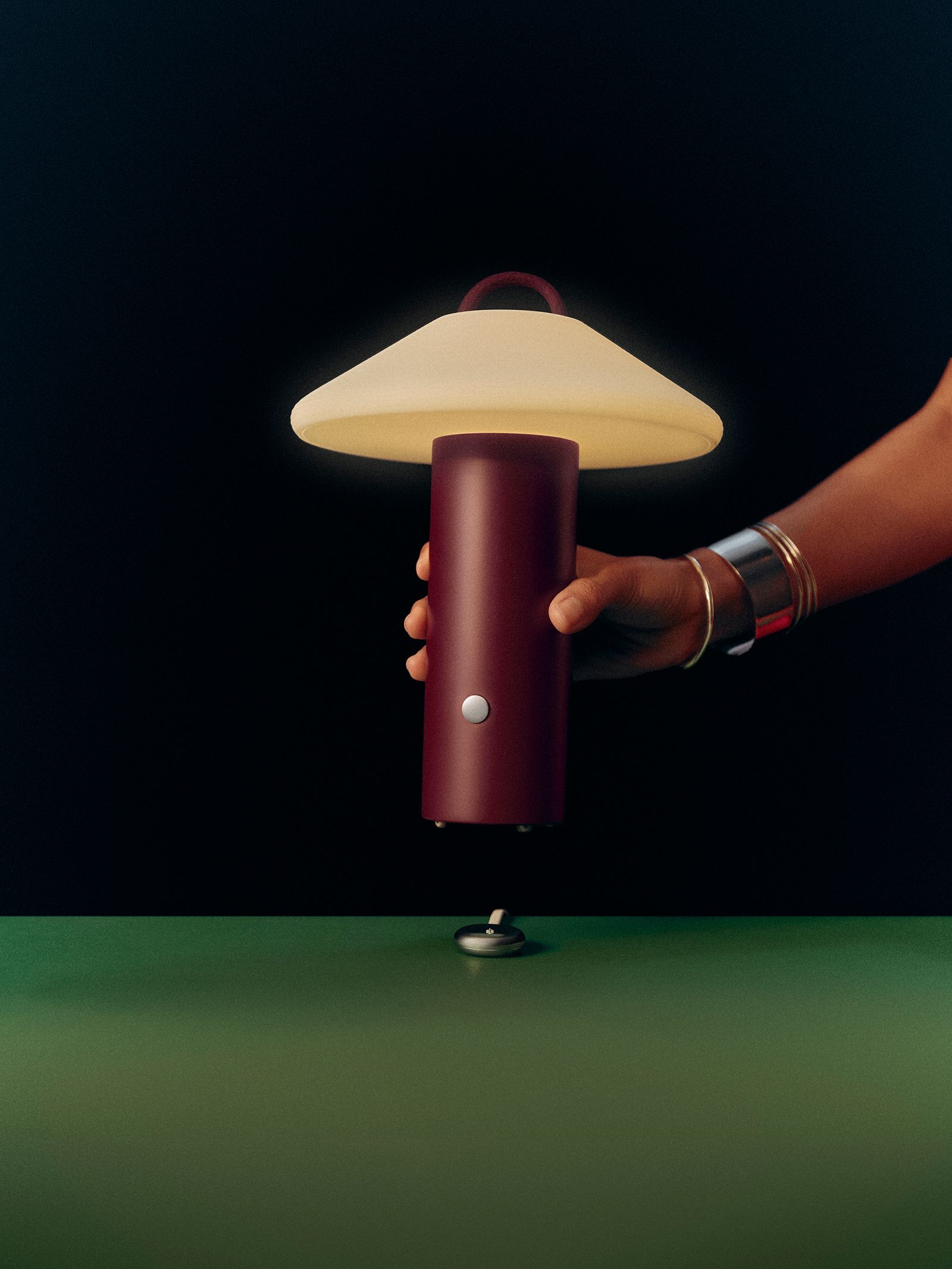
Wireless connectivity has become a cornerstone of modern home tech ecosystems, enabling lights to function as more than simple illumination sources. The trend reflects broader consumer demand for seamless, app-driven environments where lighting adapts to routines rather than dictating them. Gantri’s latest product line exemplifies this shift through its proprietary approach to wireless mobility.
- Core innovation: Proprietary charging and control architecture prioritizes portability without sacrificing fixture stability.
- Battery performance: 10+ hours per charge supports uninterrupted use across multiple settings.
- Design ethos: Soft, organic shapes emphasize accessibility at price points between $200–$500.
- Strategic partnership: Collaboration with Ammunition brings design credibility while expanding smart home compatibility.
Gantri’s approach diverges from conventional wireless setups that rely on standard protocols like Wi-Fi or Bluetooth. Instead, the company builds an ecosystem where each lamp becomes a standalone unit yet contributes to larger home automation frameworks. This strategy addresses both practical and aesthetic challenges inherent in blending wireless tech with tactile lighting products.
The product’s proprietary charging mechanism demands a dedicated cable, a design choice criticized for limiting flexibility but praised for ensuring consistent placement and reducing accidental displacement—a trade-off that underscores Gantri’s confidence in its user-centric philosophy. CEO Ian Yang frames the initiative as redefining not just lighting but the relationship between people and their physical environments, positioning wireless tech as an enabler of new daily habits rather than mere convenience.
Critics highlight potential friction points such as proprietary dependency and limited multi-room coordination, factors that could affect broader adoption despite compelling design statements. Yet early adopters value the tactile reassurance of a fixture that doubles as digital infrastructure, hinting at emerging paradigms where objects serve dual roles as both décor and smart nodes.
The collaboration with Ammunition signals more than aesthetic alignment; it represents Gantri’s pivot toward scalable solutions capable of integrating into commercial spaces like restaurants, where physical security and operational continuity remain critical concerns. By designing for these scenarios, the company bridges residential innovation with enterprise utility—a move that broadens its market relevance beyond niche design enthusiasts.
Market analysts suggest wireless lighting will increasingly overlap with sustainability goals, given Gantri’s emphasis on plant-based PLA plastics derived from corn sources. This alignment with eco-conscious values may amplify appeal among environmentally aware consumers while differentiating the brand in a crowded smart home landscape. Continued refinement of battery efficiency and protocol interoperability will likely determine whether the concept transitions from boutique novelty to mainstream standard.
Ultimately, Gantri’s venture illustrates how material science, user experience, and strategic alliances converge to push beyond incremental upgrades toward fundamental rethinking of everyday objects. The outcome could reshape expectations for what lighting can achieve when freed from static constraints—a vision rooted in pragmatic innovation yet daring enough to challenge entrenched norms.