While official announcements remain quiet, Apple smart glasses are already beginning to take shape. This development signals a shift from mere vision to reality that even the most dedicated skeptics will have to acknowledge. Recent reports suggest Apple is moving away from pure spectacle in favor of practical, wearable technology.
Exploring the Four Prototype Designs for Apple Smart Glasses
Apple is reportedly testing four distinct visual concepts, each aiming for a different balance between form and function. These prototypes suggest that the company is prioritizing practicality over spectacle, focusing on seamless integration with existing iOS experiences.
The variety in design reflects an approach centered on accessibility—offering choices that accommodate both style and comfort. The current development includes:
- A large rectangular frame
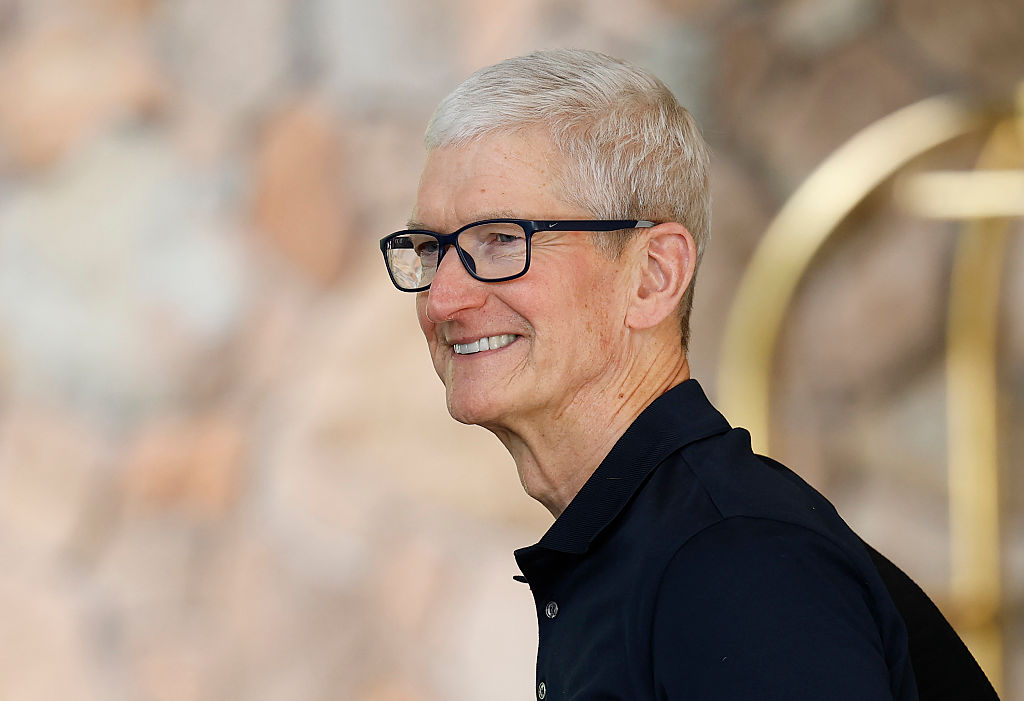
- A slimmer rectangular frame (resembling Tim Cook’s current eyewear)
- An oval lens design
- A small circular design
To ensure these frames meet diverse tastes, Apple is testing various color options, including black, ocean blue, and light brown.
Prioritizing Minimalism Over Augmented Reality
Unlike the high-profile Vision Pro, these Apple smart glasses are not intended to be full AR headsets. Instead, they function as digital accessories that emphasize physical interaction and visual clarity. The lack of active displays aligns closely with Meta’s Ray-Ban glasses, focusing on enhanced Siri capabilities and multimedia through specialized camera lenses.
A Strategic Delay for Long-Term Success
The decision to delay the official launch until 2027 reflects a period of product refinement and strategic caution. Following the challenges faced by the Vision Pro, Apple is choosing a quieter path—one that values integration over innovation for its own sake.
By leaning into "analog comfort" without sacrificing connectivity, Apple is pushing toward AI-driven personalization within everyday devices. When these glasses finally arrive in 2027, they may not represent a massive leap forward, but rather a calculated evolution that redefines user expectations in the hardware landscape.