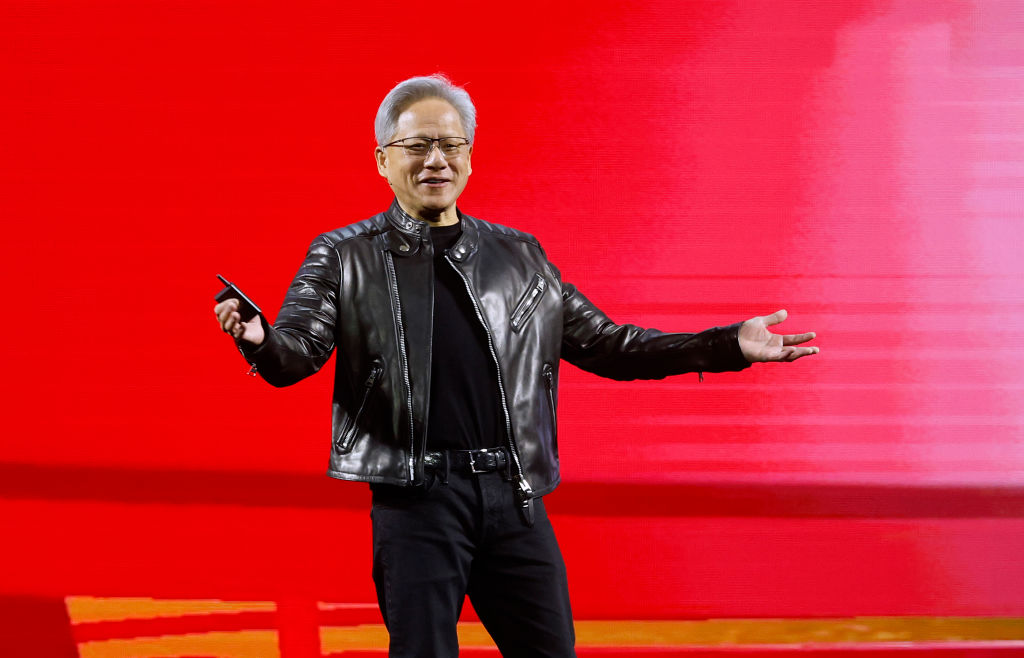
The paradox of AI employment
What if the technologies designed to automate tasks are actually the engines of job creation? Jensen Huang, Nvidia’s CEO, frames artificial intelligence as a job multiplier rather than a displacement force, arguing that new industries built around AI will spawn roles that do not yet exist. His perspective challenges the narrative of inevitable labor erosion, emphasizing that productivity gains from AI enable economic expansion instead of contraction.
The job creation thesis in practice
- New infrastructure demand: AI hardware production—GPUs, data center components—requires manufacturing and logistics workforces.
- Services layer expansion: Training, fine-tuning, monitoring, and oversight create specialized technical positions.
- Cross-sector integration: AI’s adoption across healthcare, finance, education, and manufacturing generates hybrid roles blending domain expertise with machine system knowledge.
Huang stresses that when tasks are automated within existing jobs, the broader function of the worker—management, creativity, human interaction—remains essential. This reframing shifts focus from substitution to augmentation, where AI handles repetitive elements, freeing humans for higher-value contributions.
The limits and responsibilities
Even as opportunities grow, structural challenges persist. Workers must acquire new skills to complement AI systems, and policy frameworks should encourage reskilling pathways. Companies deploying automation bear responsibility for workforce transitions, investing in training rather than abrupt displacement. Public-private collaboration can smooth adoption while mitigating inequality risks.
Looking ahead
The trajectory of employment depends less on technology itself than on how societies manage change. If managed thoughtfully, AI could catalyze broader productivity gains that support new industries and services. The critical task is aligning education, training, and social safety nets with emerging needs, ensuring that the workforce evolves alongside its tools rather than being left behind.
Key takeaways
- Invest in skills: Prioritize continuous learning and adaptability.
- Design for collaboration: Build AI systems that augment human strengths.
- Monitor outcomes: Track labor market effects to adjust policies proactively.
The balance between disruption and opportunity hinges on collective action, not deterministic outcomes. As Huang asserts, the future of work is co-created by technology and society working in concert.
Final assessment
Jensen Huang’s argument underscores a central truth: innovation rarely eliminates work outright; it transforms it. The challenge lies in steering this transformation responsibly, harnessing AI’s potential to expand opportunity rather than shrink it.