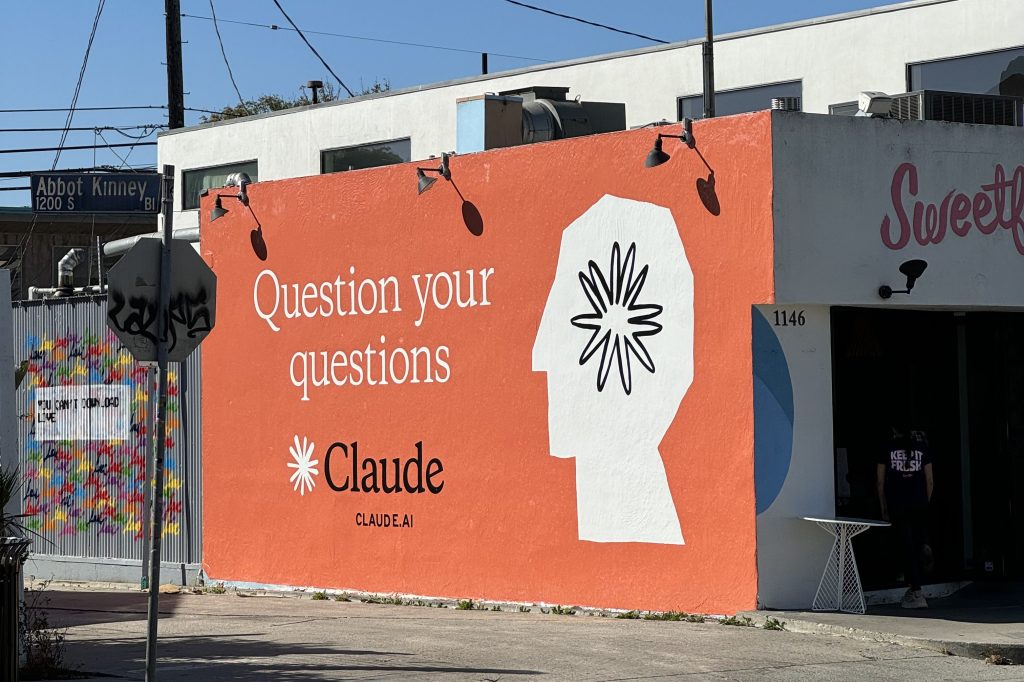
The air inside San Francisco’s Moscone Center hummed with the electric tension of an industry on the verge of a paradigm shift. Amidst the crowded aisles at the HumanX conference, the conversation had moved far beyond simple chatbots to focus squarely on agentic AI. During this pivotal event, it became clear that Claude is now the center of attention as systems move from mere conversation to complex execution.
The Rise of Claude and a Shift in AI Sentiment
While OpenAI once held an uncontested grip on the collective imagination, a new consensus emerged among HumanX attendees. Throughout various panels and impromptu discussions, one name surfaced with startling frequency: Claude. For many enterprise vendors and software engineers present, Anthropic’s model has become the preferred tool for deploying autonomous agents.
This shift is driven by perceived reliability in specialized tasks. During interactions with developers on the floor, a recurring critique emerged regarding OpenAI’s recent trajectory. Many expressed a sentiment that ChatGPT has "fallen off," suggesting that the initial magic of the platform has been diluted by inconsistent updates and a lack of clear direction.
The competition between these two titans is no longer just about who can write the best poem; it is a battle over which model can most effectively power the next generation of automated workflows. As data suggests Anthropic is rapidly catching up among business users, the landscape is transforming from a monopoly into a high-stakes arms race.
OpenAI’s Struggle for Strategic Clarity
The tension surrounding OpenAI appears to stem from a perceived lack of focus within the company. Recent months have seen the abandonment of several highly anticipated "side-quests," including the much-discussed video generator Sora and experimental consumer features. By retreating into a narrower focus on business and coding services, the company risks leaving a vacuum in the creative sectors it once dominated.
Several factors have contributed to this period of instability:
- The departure of key projects like Sora has signaled a pivot toward utility over innovation.
- Recent leadership scrutiny and high-profile media investigations have introduced corporate uncertainty.
- The introduction of advertising within the ChatGPT interface has alienated purists who valued the original, clean experience.
- Strategic shifts in the company's relationship with political and regulatory bodies have created a complex public relations environment.
Despite these headwinds, OpenAI is not conceding ground without a fight. The recent announcement of a $100 subscription tier for ChatGPT, offering significantly expanded access to its Codex coding tools, represents a direct attempt to reclaim the developer market. This move is clearly aimed at neutralizing the momentum of competitors like Claude Code by doubling down on software engineering.
The Era of Agentic Coding
The technological landscape is moving with a velocity that makes even monthly updates feel retrospective. As noted by industry leaders during HumanX, the field of agentic coding has undergone more fundamental changes in recent months than in the preceding years. We are witnessing the transition from AI as an assistant to AI as a collaborator.
This evolution is characterized by several key technical milestones:
- The deployment of agents that can autonomously navigate file systems and debug complex repositories.
- The integration of long-context windows that allow models to understand entire codebases at once.
- A shift in developer workflows from manual prompting to "goal-oriented" instruction.
The industry is currently in a period of extreme volatility, where the definition of a "state-of-the-art" model can change overnight. While the creative applications of AI have yet to find their footing, the practical application of agents in coding and business logic is delivering tangible ROI.
Ultimately, the friction between OpenAI and Anthropic should be viewed as a sign of a maturing market. The era of the undisputed champion is ending, replaced by a landscape where specialized utility outweighs sheer scale. Whether OpenAI can stabilize its strategic direction or if Anthropic will continue its ascent remains the defining question for the next fiscal year. One thing is certain: the era of the chatbot is over; the era of the agent has begun.