It is difficult to overstate how alien the concept of "free-to-play" felt just a few hardware generations ago. Before the industry settled on modern labels, F2P was largely confined to browser-based MMOs, early MOBA mods, and niche Korean titles. However, by the late 2000s, major publishers began experimenting with what a free-to-play Battlefield experience might look like.
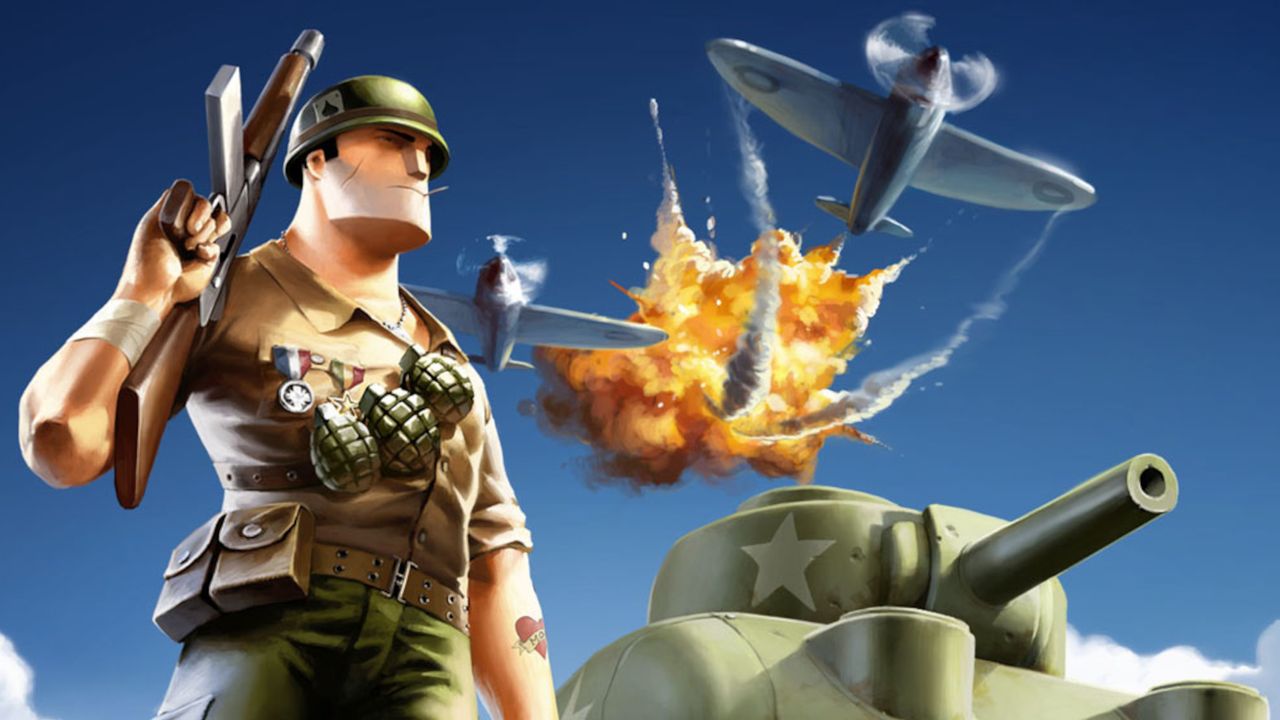
One such experiment was Battlefield Heroes. This PC-exclusive spin-off marked the first time a high-profile franchise dabbled in the model, even if its third-person camera and cartoony art style initially alienated hardcore fans.
The Experimental Roots of a Free-to-Play Battlefield
In the April 2009 issue of PC Gamer, editor Tom Francis previewed this experimental title. At the time, the shift toward free models was seen as a direct response to the rising influence of piracy and the success of early pioneers in Korea.
Francis noted how significant the moment was for the industry: "This is the first time PC Gamer has ever put a free game on its cover. $\dots$ we’re at a point where one of the major PC game developers feels they can charge nothing for their next game."
The stakes for this free-to-play Battlefield project were incredibly high. During an interview in the preview, senior producer Ben Cousins admitted that the financial pressure was immense. He told Francis: "Heroes is a huge risk. $\dots$ it will need to be the most popular Battlefield game of all time to be profitable."
A Blueprint for the Modern Live Service Era
Cousins’ approach to development almost perfectly described what we now call the live service model. He spoke with a level of transparency regarding player retention that is rarely seen in today's corporate landscape.
The development strategy focused on several key pillars:
- Real-time monitoring: Tracking player reactions to features "on the fly" to decide if they were worth further investment.
- Retention mechanics: Utilizing "sticky" systems, such as rotating challenges and currency-based weapon unlocks.
- Iterative updates: Using player feedback to steer the game's creative direction post-launch.
Cousins used the word "sticky" frequently to describe the progression in Battlefield Heroes. He noted that early closed betas lacked these persistence elements, which resulted in a "sobering" lack of player playtime. This era introduced "dailies" and grind-heavy systems long before they became standard across the industry.
The Rise of Pay-to-Win and Cosmetic Chaos
While the game's mechanics were innovative, Battlefield Heroes also offered a grim warning about the "uglification" of modern titles. Cousins noted that as players leveled up, their purchased costume parts became increasingly exotic, meaning high-level characters often looked nothing like traditional World War II soldiers.
The monetization model eventually shifted from earned currency to more controversial territory. In late 2009, EA famously tilted the game in a pay-to-win direction. Despite the inevitable community backlash, Cousins argued during a later Game Developers Conference talk, titled "Paying to Win," that the data supported letting players pay for better guns.
The Legacy of Battlefield Heroes
Ultimately, Battlefield Heroes enjoyed a six-year run before EA quietly shut it down in 2015. This shutdown was part of a larger purge of free-to-play titles that has become tragically routine in the modern gaming landscape. While the game's era has passed, its DNA remains visible in every modern title that relies on seasonal updates and microtransactions.