The Backrooms Film Embraces Mystery and Ambiguity
Kane Parsons has a long and storied history with the Backrooms, what with his web series which includes the viral Found Footage installment. With this in mind, I was never worried about the authenticity of A24's Backrooms film, but I was still hesitant to see how well the creepypasta would translate to a feature-length movie. My main worries were: Could Parsons explain the Backrooms to fresh eyes (which would likely be a good chunk of its audience), and still include enough for long-time fans? Would its story be compelling enough for a film while still retaining the mystery of the Backrooms? Would there be well-rounded characters who still took a backseat to the main persona: the Backrooms itself? Would it use the Backrooms entities as a crutch for driving its story forward?
Now, after watching the film, I can happily reveal: yes, yes (thank god), yes, and pretty much. There are a lot of scary chase scenes and some jumpscares courtesy of the Still Life, but that's a very nostalgic part of the Backrooms games and it was a lot of fun, so I let it slide. I came out of A24's Backrooms film with a reignited love for this internet creepypasta and Parsons' storytelling. Parsons not only stayed true to the Backrooms—in how it remained allegorical to memory loss: the horror of forgetting what used to be normal or not being able to remember the faces of people who were constants in your life—but also stayed true to his format which has worked so well thus far. It felt like I had just watched one of his YouTube web series episodes at the cinema, and I mean that in the best way possible.
A Film That Feels Like an Extension of the Web Series
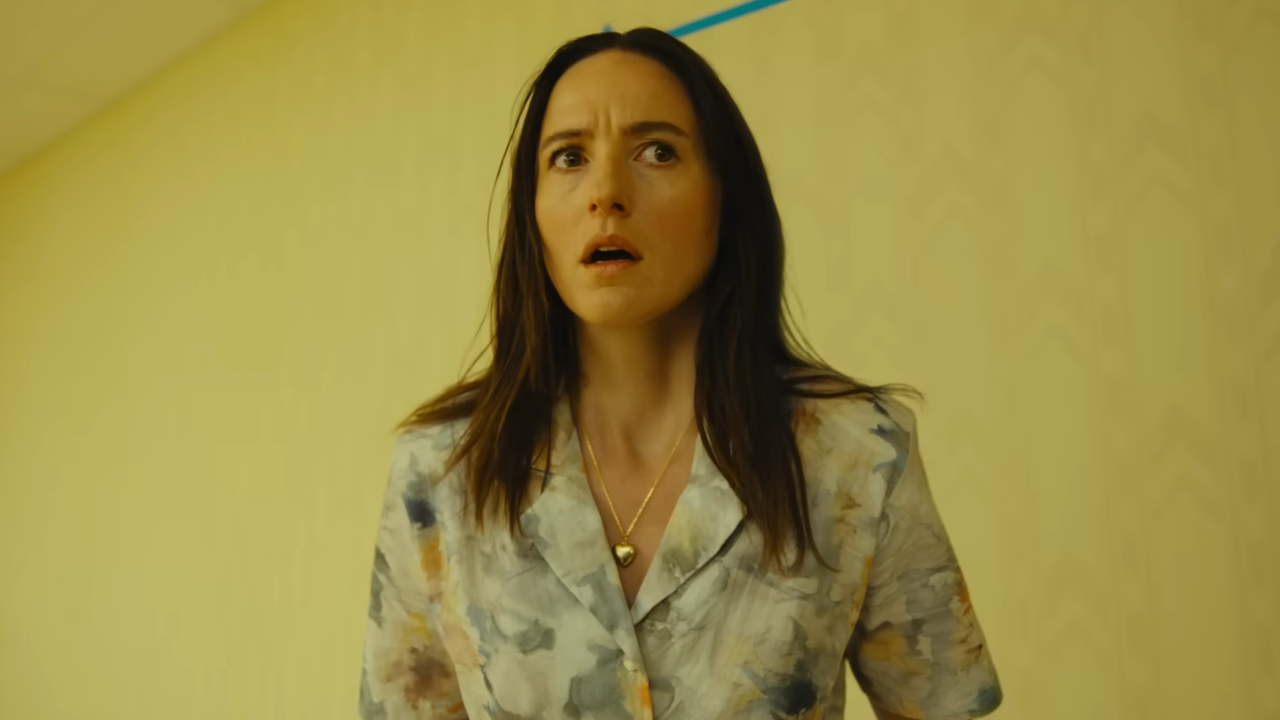
This Backrooms adaptation was made to fit into Parsons' existing web series, but even if you hadn't watched any of it before, it was still easy to digest and figure out, with the Async Institute and the hostility of the Backrooms established early on. Every character in the film also has the purpose of explaining or furthering the Backrooms' identity in one way or another. There was Clark's stubborn inability to change and need to escape his own mistakes that drove him deeper into the tunnels of the Backrooms, dragging those close to him down as he went. Dr. Mary Kline's need to help others sent her into the Backrooms in pursuit of Clark, but her curiosity and resilience are what led her through to Async. But even still, I don't think Kline has broken through that 'window within' for good. I have a feeling that if we do get a Backrooms sequel, she'll have more to endure in it.
This may have left some people wanting more, or thinking that the characters were just canon fodder and therefore poorly written, but that's not the case. The main character is the Backrooms itself. In Backrooms media, all roads lead back to this liminal space—it's the driving force of the narrative, main character, and setting all wrapped in one.
Leaving Things Unexplained is a Strength, Not a Weakness
This leads me onto the next 'job well done' for the Backrooms film: its ability to leave some things unexplained. Sometimes people have a need to explain the Backrooms or other 'lost media' found on the internet, to come to some sort of logical answer, but like other creepypastas, the joy of the Backrooms comes from it remaining unexplainable. Yes, Parsons sets out certain rules for the Backrooms: the layout doesn't constantly change, you can enter and leave through gaps or doors which stay in the same place, and the origins of Still Life (one of the two entities found in the Backrooms) are explained. But there's also a lot left up to the imagination. Did Kline make it out of the Backrooms at the end? Is Pirate Clark still alive? And what is Async's end game?
My favorite theory thus far is that the characters were always in the Backrooms. What leads me to believe this is how you only see a few shots of the outside world and that, in these scenes, the sky looks almost as if it's been painted on. The buildings and streets also look uncannily laid out, and weird things do happen—the extra switches appearing on the electrics. Kline's mother is also shown being institutionalized in a flashback, after locking Kline inside and hiding from 'them'—perhaps she figured it out before anyone else. The film also ends with multiple shots of descending Backrooms, which get progressively less sensical as it descends, perhaps the world in which Clark and the rest find themselves in is simply a more intact Backrooms. But who knows? Not me—and that's part of the fun.
I've grown up around the collective storytelling of internet creepypastas and clandestine group projects like The SCP Foundation. And aside from the effect these had on my malleable young brain, one thing I've learned is how amazing storytelling can be when you have passionate and creative people at the helm who also have enough humility to not seek complete ownership over the project. Kane Parsons' Backrooms adaptation is an excellent example of exactly this.