The Lost Time Travel Plot That Could Have Changed Baldur’s Gate 2
Baldur’s Gate 2 is renowned for its bizarre and memorable side quests. Players remember the theatrical productions, the deep-undercover missions among drow in the Underdark, and the surreal experience of being trapped inside a magically altered circus tent. These detours added immense charm to the epic journey. However, a newly revealed concept suggests we missed out on a far more audacious adventure: a time travel plot that would have allowed players to witness an alternate future where Baldur’s Gate 1’s main villain, Sarevok, ruled the Sword Coast.
The Vision of a Dictator Sarevok
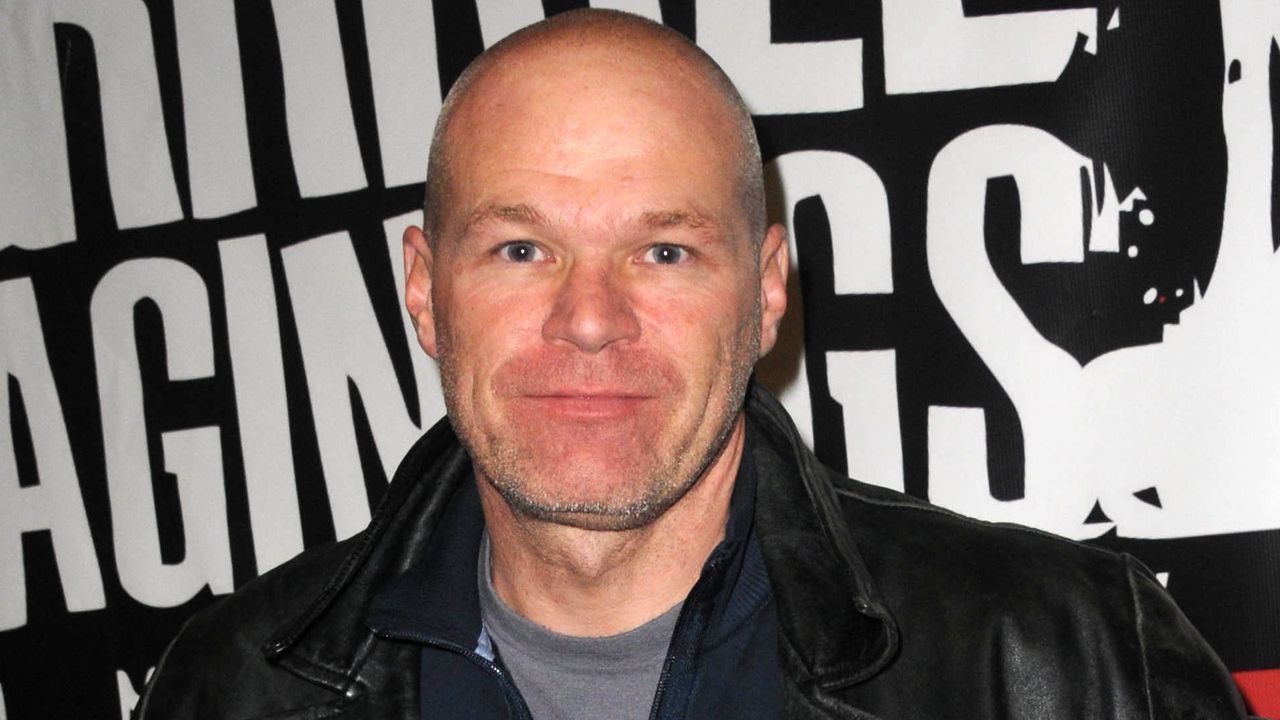
James Ohlen, the co-lead designer on Baldur’s Gate 2, has revealed that he originally intended to include a storyline involving time travel and alternate dimensions. His goal was ambitious: to let the protagonist use the Planar Sphere to travel back in time and assist Sarevok in winning the original conflict.
In this alternate timeline, Sarevok would have gone on to become a dictator of the Sword Coast. Ohlen described the narrative arc as follows:
- The player would use the Planar Sphere to alter history.
- Sarevok, the protagonist’s half-brother and fellow Bhaalspawn, would successfully seize power.
- The game would explore this dystopian version of the region, showcasing the consequences of Sarevok’s victory.
This concept was heavily inspired by DC Comics’ Legion of Super-Heroes, specifically storylines where heroes realize their timeline is wrong and must figure out how to restore the original timeline.
Why It Was Cut: The Market District Constraint
Despite the narrative potential, the idea faced significant practical hurdles. Ohlen noted that while the scope might have sounded large, the actual implementation was confined to a specific area: Athkatla’s Market District, also known as Waukeen’s Promenade.
This is the first location players visit after escaping the twisted laboratory at the very start of Baldur’s Gate 2. While not a tiny zone, transforming it into a reflection of a future where a mad child of a dead god ruled the region would have required extensive work:
- Asset Replacement: Adding, removing, and tweaking numerous environmental elements.
- Narrative Integration: Ensuring the alternate history felt plausible within the game’s lore.
- Development Resources: Allocating time for design and scripting without impacting other core quests.
Ohlen attempted to pitch the limited scope to his colleagues, emphasizing that it would be "just that district." However, the idea still faced resistance.
Co-Lead Designer Kevin Martens Halts the Ambition
The project was ultimately stopped by Kevin Martens, the co-lead designer on Baldur’s Gate 2. Ohlen recalls the conversation clearly:
"Kevin Martens [co-lead designer] was the one who was like, 'James, it's enough. Enough!' So I was like, 'OK man. OK, all right.'"
Ohlen did complete the design documentation for the quest, but no dialogue was ever written. The concept remained on the cutting room floor, a testament to the difficult choices developers must make to ensure a game’s completion.
A Missed Opportunity for RPG Fans
It is easy to feel a sense of loss when learning about such elaborate unused content. The idea of exploring an alternate dimension where Sarevok achieved his goals would have provided a unique perspective on the series’ lore. Sarevok, who served as the primary antagonist in the original Baldur’s Gate, even appeared as a companion in the Throne of Bhaal expansion, making his presence in BG2 a natural narrative thread.
However, every major RPG has unfinished ideas sitting in archives. At some point, developers must recognize when to stop adding scope. Baldur’s Gate 2 was already packed with fantastic quests and rich storytelling. While we never saw the dictator Sarevok era, the game’s existing content remains a landmark in RPG history.
For fans of deep lore and alternate timelines, this revelation offers a fascinating glimpse into the development process. It reminds us that behind the polished final product lies a complex web of discarded ideas, each with the potential to reshape the gaming world.